Brazilian Court Orders Government to Improve Hospital Working Conditions
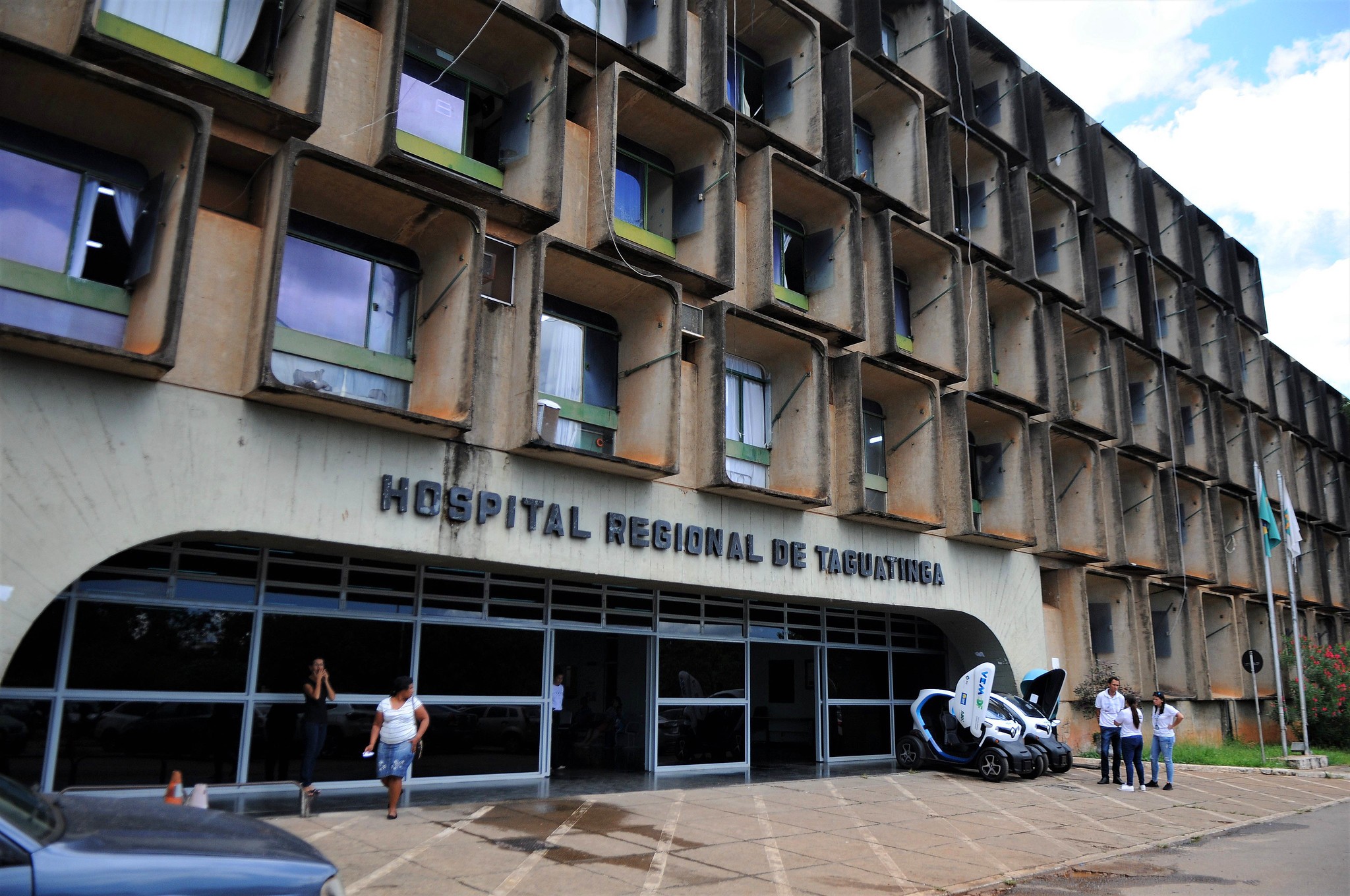
A labor court has mandated that the Government of the Federal District (GDF) implement measures to enhance working conditions at the Regional Hospital of Taguatinga (HRT). The ruling also requires the GDF to pay R$ 200,000 in collective moral damages, which will be allocated to the Defense Fund for Diffuse Rights. Within 120 days, the government must develop a Risk Management Program and an Ergonomic Analysis of Work for all hospital sectors. Subsequently, within 180 days, it must implement the outlined measures, including a plan to adjust staffing levels. The Secretariat of Health stated it is working to comply with the regulatory body's directive within the established timeframe. The court's decision stems from a public civil action filed by the Public Prosecutor's Office of Labor, which highlighted excessive workloads among emergency room and triage professionals due to an insufficient number of nurses and nursing technicians. Court documents revealed a rise in medical leave among hospital staff between 2017 and 2024, with over half of leaves in 2023 attributed to depression, anxiety, and severe stress reactions, disproportionately affecting nursing professionals. The presiding judge cited a pattern of "systemic and prolonged negligence," noting that the staff shortage contributed to employee illness, transforming the work environment into one that causes sickness.
This judicial intervention highlights a critical systemic failure in public healthcare resource allocation, leading to adverse outcomes for both staff well-being and patient care. The court's finding of "systemic and prolonged negligence" points to a governance deficit where understaffing has become a normalized, albeit detrimental, operational strategy. The significant increase in stress-related illnesses among healthcare workers, particularly nurses, underscores the unsustainable burden placed upon them. The imposed fines and corrective actions aim to recalibrate the incentive structure, compelling the government to prioritize adequate staffing and ergonomic safety. Looking ahead, this case serves as a stark reminder of the long-term costs associated with neglecting workforce health and safety, potentially impacting the hospital's capacity and reputation, and necessitating a more proactive, data-driven approach to human resource management in public health institutions.
AI-generated to prompt reflection — not editorial opinion, not advice, not a statement of fact. How this works.