Brazilian Court Orders INSS to Evaluate Delivery Worker Benefits Case-by-Case
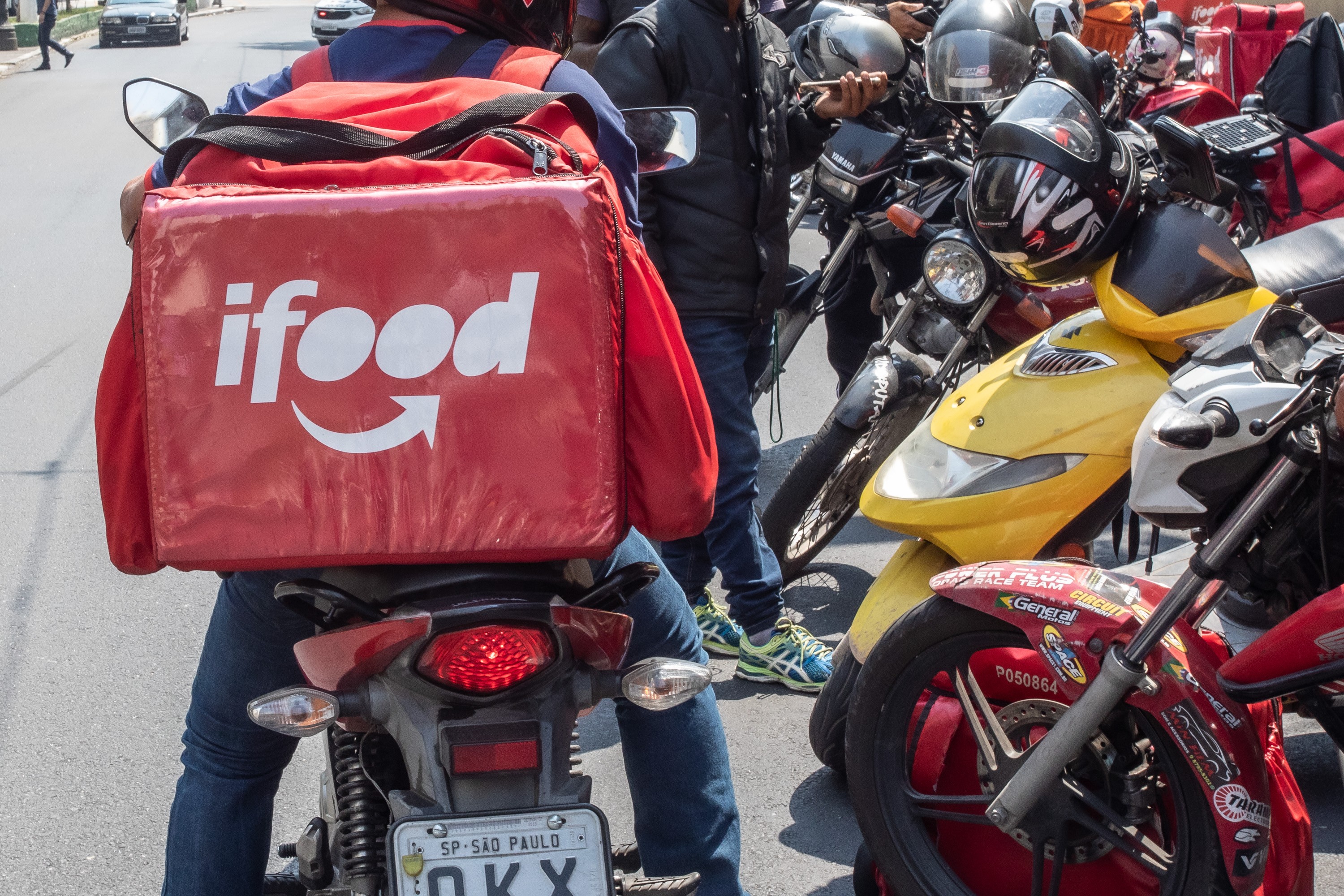
A labor court in Salvador, Brazil, has issued a nationwide injunction compelling the National Social Security Institute (INSS) to individually assess benefit claims from iFood delivery drivers who suffer work-related accidents or illnesses. The ruling, granted by Judge Carla Teresa Baltazar da Silveira Porto, prohibits the INSS from automatically rejecting these claims due to the absence of formal employment contracts or accident reports. This decision stems from a public civil action initiated by the Labor Prosecutor's Office (MPT) against iFood, its insurer MetLife, and the INSS. The court emphasized that each case must be evaluated based on presented evidence, regardless of whether the driver is classified as a partner or self-employed. Furthermore, the INSS is mandated to establish a specific administrative process to re-evaluate previously denied claims within 30 days, detailing communication channels, required documents, and procedures for obtaining information from iFood and MetLife. The MPT argued that delivery drivers faced significant challenges accessing social security protection after accidents, creating a legal "limbo" where they lacked support from the company, insurer, or INSS. The court has imposed daily fines of R$10,000 on iFood, MetLife, and INSS for non-compliance, with potential penalties reaching R$300,000 for the companies and R$500,000 for the INSS. The MPT's investigation, spanning over three years, also questioned the effectiveness of the insurance provided by iFood through MetLife, citing bureaucratic hurdles that hinder access to compensation and suggesting that the burden of accidents is shifted to public health systems and families. The MPT is also seeking R$100 million in collective moral damages from iFood and MetLife, a claim still under judicial review. While the decision is provisional and subject to appeal, it currently applies to all registered iFood delivery drivers in Brazil.
This judicial decision addresses a critical gap in social protection for app-based delivery workers, highlighting the systemic challenges arising from the "gig economy" model. By mandating case-by-case benefit evaluations, the ruling seeks to mitigate the risks associated with precarious work arrangements where formal employment status can be a barrier to essential social security. The imposed fines and the requirement for a detailed administrative process signal a judicial push towards greater accountability from platforms, insurers, and social security bodies. This development underscores a broader global debate on worker classification and the adequacy of existing social safety nets in the face of evolving labor markets driven by digital platforms. The potential for this ruling to influence similar cases across other platforms suggests a possible shift in how labor rights and social protections are interpreted and enforced for independent contractors in the digital age, prompting a re-evaluation of incentive structures for platform companies regarding worker welfare and risk management.
AI-generated to prompt reflection — not editorial opinion, not advice, not a statement of fact. How this works.