Brazilian Court Orders Removal of 21 Posts Attacking Governor Tarcísio
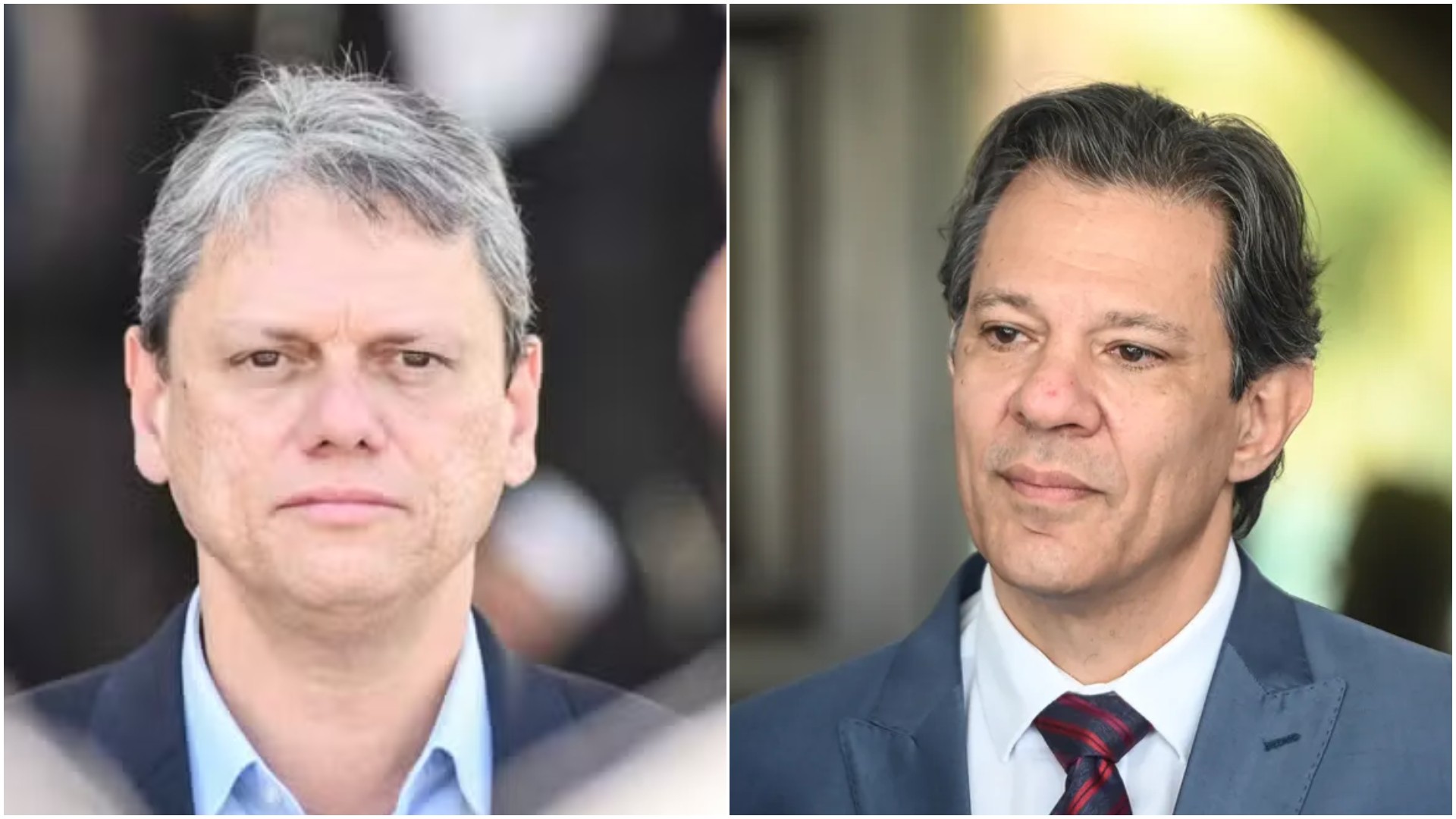
The Electoral Court in São Paulo has ordered the removal of 21 online posts deemed irregular and critical of Governor Tarcísio de Freitas, who is seeking re-election. These decisions, issued by various judges at the Regional Electoral Court of São Paulo (TRE-SP), cite early negative electoral propaganda, improper content boosting, and the dissemination of false information against the governor. In one notable case, State Deputy Emídio de Souza (PT), a coordinator for Fernando Haddad's (PT) pre-campaign, was fined R$10,000 for publishing an AI-generated video. This video falsely associated Tarcísio's image with the horror character Chucky, depicting him in violent scenarios. The court confirmed the video's removal, prohibited its republication, and imposed a daily fine of R$5,000 for non-compliance. The court also dismissed the case against the PT State Directorate and the Brasil da Esperança Federation due to insufficient evidence linking them to the posts. The Republicanos party, Tarcísio's party, initiated these actions against posts made by PT parliamentarians and purportedly independent pages. Tarcísio's campaign claims these boosted contents were designed to damage the governor's image during the pre-election period. Emídio de Souza stated that the decision is not final and that an appeal will be filed, asserting his belief in the justice system to recognize parliamentary oversight. He criticized the governor's party for resorting to legal action instead of political debate.
This situation highlights the growing challenges in regulating political discourse in the digital age, particularly concerning the use of AI-generated content and anonymous online profiles. The Electoral Court's actions underscore the legal framework's attempt to balance free speech with the prevention of defamation and manipulation during electoral periods. The use of AI to create deepfakes or misleading imagery presents a significant hurdle for electoral integrity, as it can rapidly disseminate false narratives and influence public opinion. The court's decision to fine a pre-campaign coordinator and order content removal reflects a stance against such tactics. However, the ongoing appeals and differing interpretations, such as Deputy Souza's defense of parliamentary oversight, indicate the complex interplay between political criticism, legal boundaries, and technological advancements. Future electoral regulations will likely need to address the provenance and veracity of digital content more robustly, potentially requiring clearer identification of AI-generated material and stricter accountability for its dissemination, while carefully preserving legitimate political expression.
AI-generated to prompt reflection — not editorial opinion, not advice, not a statement of fact. How this works.