Brazilian Court Overturns Firing for 4-Minute Overtime, Citing Clock Distance
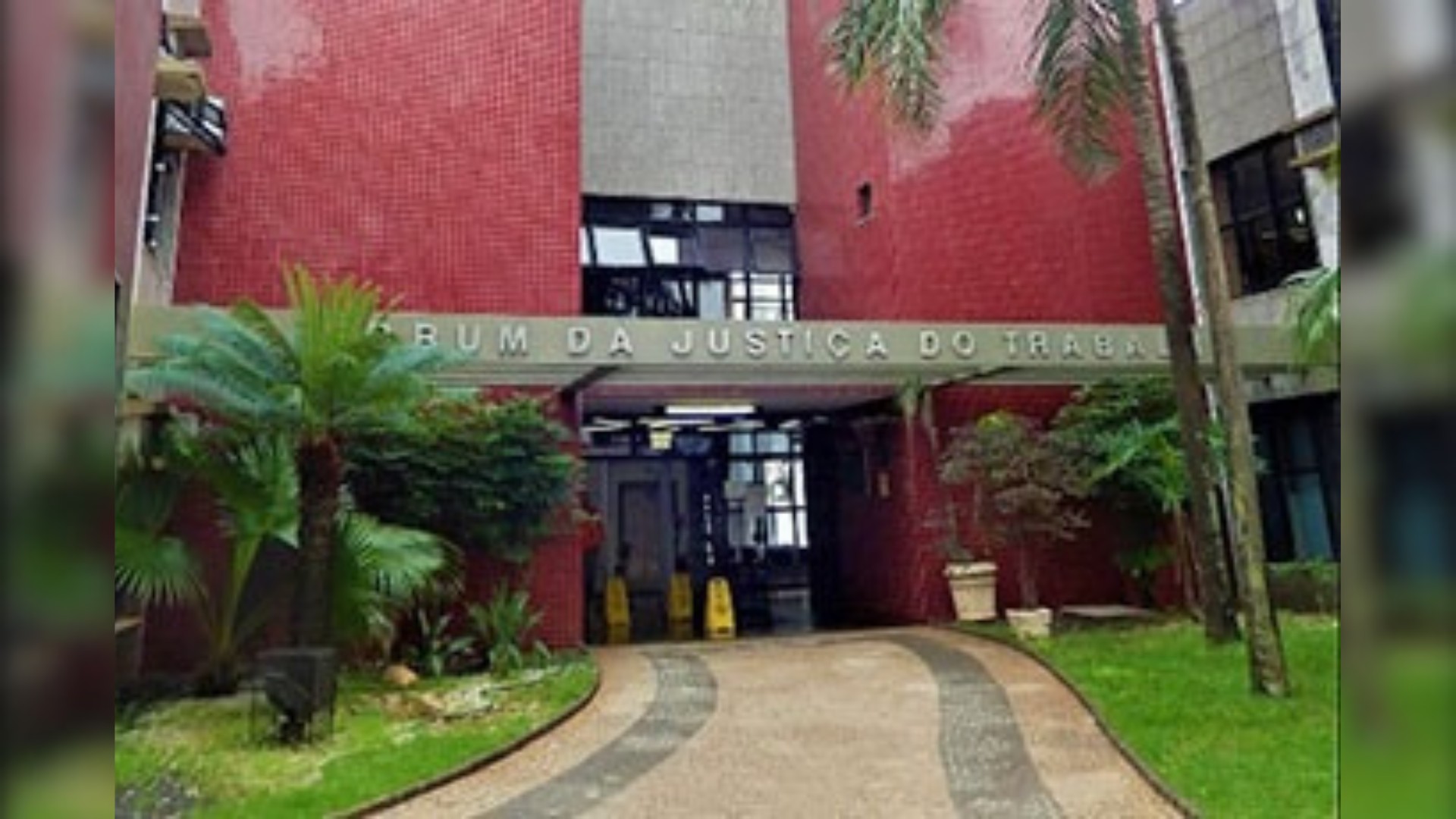
A Brazilian labor court has overturned the dismissal of an employee who was fired for working four minutes beyond their scheduled shift. The company, operating in the food sector in Uberlândia, had terminated the worker for allegedly exceeding the ten-hour workday. However, during the legal proceedings, a company representative admitted that the time clock was located a five-minute walk from the employee's workstation in the changing room. This distance meant that the employee's actual work time, when accounting for the walk to clock out, would not have exceeded the allowed limit. The judge ruled that the four-minute excess was insignificant and a direct result of the travel time to the time clock, indicating no intent to violate company rules. The court found the company's organization of its timekeeping system contributed to the situation, deeming the dismissal disproportionate. This decision was upheld by the Regional Labor Court of the 3rd Region (TRT-MG), though an appeal to the Superior Labor Court (TST) is still possible. The company had argued the employee worked unauthorized overtime, and combined with prior warnings and a suspension, justified the termination. The worker's defense emphasized the lack of intent, the informal tolerance of minor time adjustments by the company, and the delay in issuing the termination notice, suggesting a tacit forgiveness of the infraction. The court also noted that previous warnings and suspensions cited by the company were not sufficiently grave or frequent to justify a termination for cause. Consequently, the dismissal is now considered without just cause, entitling the employee to severance pay, accrued vacation, proportional 13th salary, FGTS penalty, and other benefits, including an insalubrity bonus.
This case highlights the critical importance of proportionality and procedural fairness in employment law. The company's disciplinary action, the most severe form of termination, was deemed disproportionate given the minimal time infraction and the employer's own logistical shortcomings in timekeeping placement. The ruling underscores that disciplinary power must be exercised judiciously, with clear communication, consistent application, and appropriate gradation of sanctions. In the context of increasing automation and algorithmic management of work, this decision serves as a reminder that human-centric considerations and the practical realities of the workplace must be integrated into system design and enforcement. Future-proofing employment practices will require balancing efficiency gains with established principles of due process and equitable treatment, ensuring that technology serves as a tool for fair management rather than a mechanism for punitive, automated judgment.
AI-generated to prompt reflection — not editorial opinion, not advice, not a statement of fact. How this works.