Brazilian Court Overturns Lava Jato Charges Linked to Odebrecht Leniency Deal
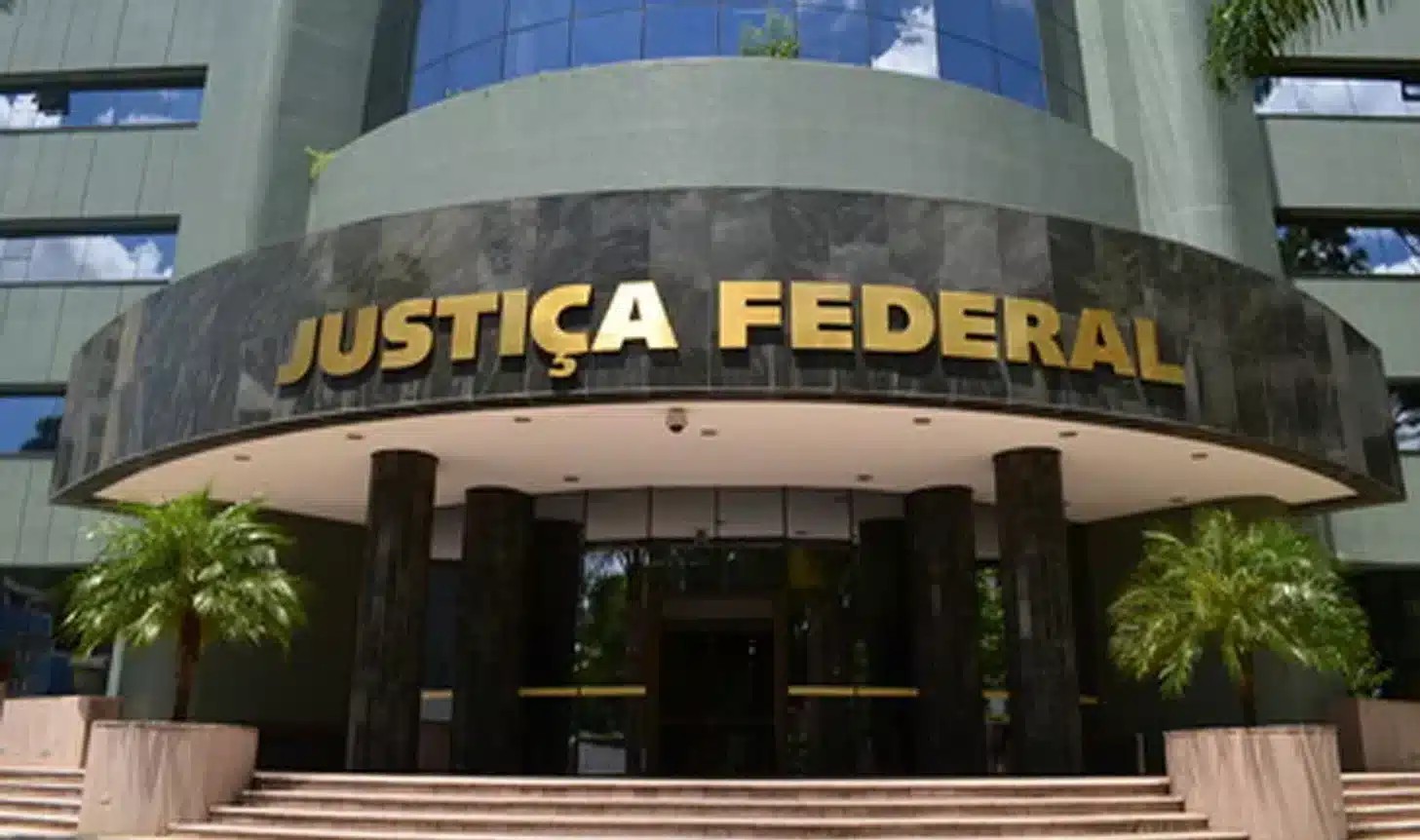
A Federal Court in Paraná, Brazil, has annulled a criminal indictment and halted a case investigating alleged corruption and money laundering within Petrobras, stemming from the Lava Jato operation. The decision, issued by substitute federal judge Guilherme Roman Borges on Monday, May 20, directly impacts six defendants. These include Fernando Carlos Leão de Barros, a former Petrobras executive accused of receiving bribes totaling over R$4.4 million and CHF 527,000 through various state contracts. Also affected are Luiz Fernando Volpi, a business partner implicated as a conduit for bribe payments via fictitious consulting contracts, and Antonio Gentil Garcia Goulart, who allegedly negotiated these payments. Additionally, Nilson Toshihico Nishimura and Gilmar Lopes de Freitas, partners in the CONENGE-ELCO consortium, are accused of offering bribes, while Isabel Izquierdo Mendiburo Degenring Botelho is cited for assisting in opening Swiss accounts to conceal funds. The ruling is based on a 2023 Supreme Court decision by Minister Dias Toffoli, which deemed evidence derived from the Odebrecht leniency agreement, specifically the Drousys and My Web Day B systems, as inadmissible. These systems were allegedly used by Odebrecht for encrypted communication and managing illicit payments. The defense argued that the prosecution's case, particularly against Barros, relied heavily on information from the Drousys system. The judge concluded that significant portions of the corruption and money laundering charges were directly dependent on evidence from these now-discredited systems, invoking the 'fruit of the poisonous tree' doctrine. The court clarified that this decision does not equate to an acquittal, and new charges could be filed if lawful evidence emerges before the statute of limitations expires.
This judicial decision significantly alters the landscape of the Lava Jato investigation by invalidating key evidence derived from the Odebrecht leniency agreement. The ruling underscores the critical importance of lawful evidence acquisition and chain of custody in legal proceedings, particularly when international data sharing is involved. From a systems perspective, the reliance on proprietary communication and accounting systems like Drousys and My Web Day B, while potentially efficient for illicit operations, ultimately created a vulnerability that, when exposed and deemed unlawful, could unravel entire cases. This event highlights a recurring tension in complex financial investigations: the trade-off between leveraging corporate cooperation for broad insights and the risk of contaminating the evidentiary basis through procedural missteps or reliance on compromised data sources. Future anti-corruption efforts may need to prioritize more robust, legally defensible methods of evidence gathering and verification, potentially incorporating advanced forensic technologies that maintain data integrity and adhere strictly to due process.
AI-generated to prompt reflection — not editorial opinion, not advice, not a statement of fact. How this works.