Brazilian Court Upholds Homicide Charges for Driver Who Ran Red Light, Killing Motorcyclist
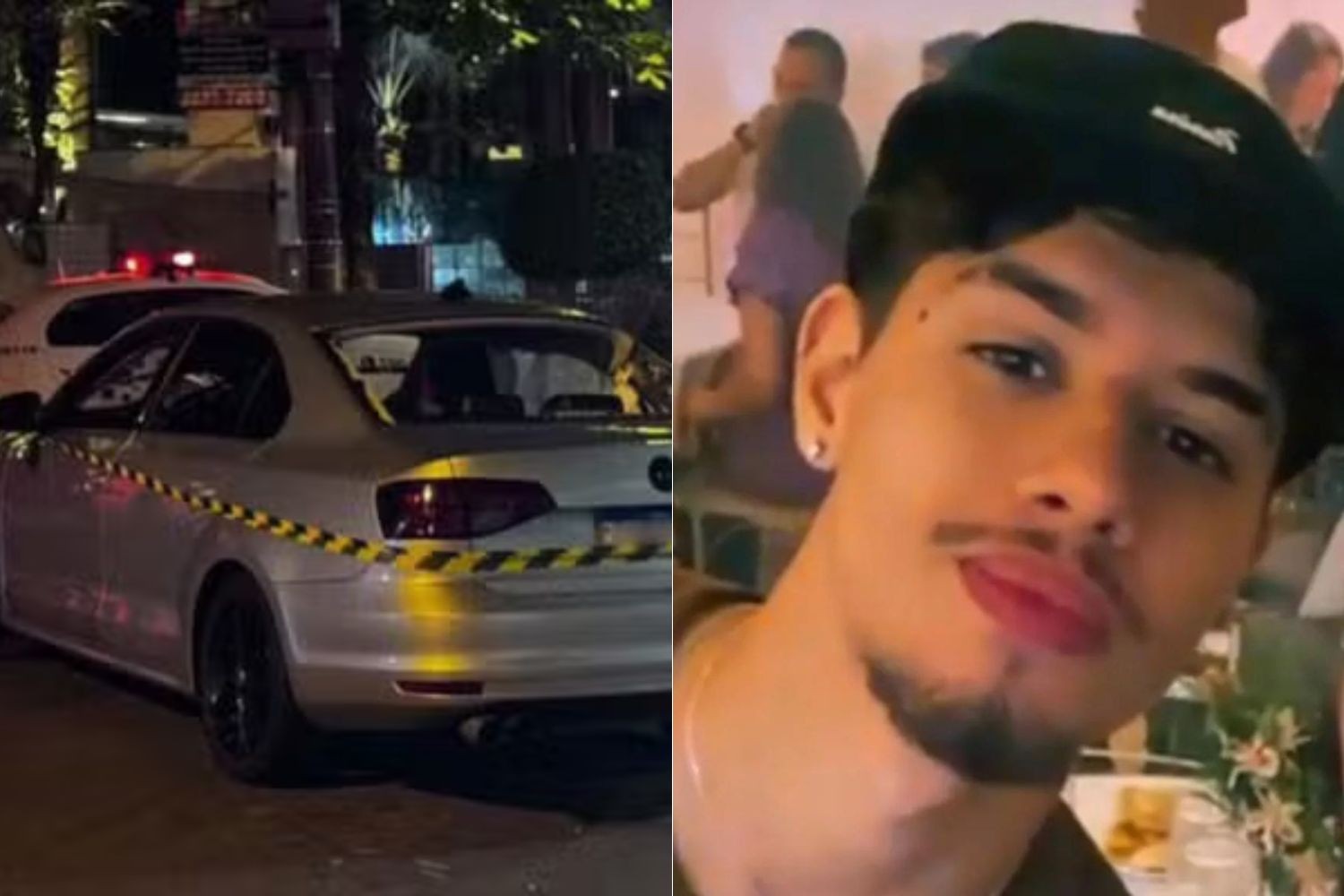
The São Paulo Court of Justice (TJ-SP) has upheld a decision to send João Pedro Donatone to a popular jury trial. Donatone is accused of intentional homicide for allegedly running a red light in Santos, on the coast of São Paulo, and killing motorcyclist Caetano Ribeiro. Judge Bruno Nascimento Troccoli scheduled the jury trial for September 2025. Donatone is currently out on bail, subject to precautionary measures. The defense had argued for the case to be classified as negligent homicide, asserting no intent to kill and denying intoxication. They also sought to invalidate evidence, claiming a urine test was discarded before a counter-analysis could be performed. However, the TJ-SP maintained the indictment for simple intentional homicide with eventual intent, rejecting the defense's claims. Desembargador Roberto Solimene cited the expert's testimony that the urine sample was not preserved because its results would change over time. The magistrate emphasized that the absence of a lab test does not preclude proof, as intoxication can also be determined through videos or witness testimony. He highlighted witness accounts and phone conversations, including a message about helping alcohol levels decrease. Solimene also noted that witnesses reported Donatone displayed "coldness and indifference to the fatal outcome," with police describing his behavior as "somewhat mocking." Two witnesses stated Donatone remarked, "it was just another victim" and "it was just one life" after the crash, though he denied this, claiming he said, "Yes, I saw what I did. I took a life" while in shock. Ultimately, the appellate judges ruled that the jury will decide whether the case constitutes eventual intent or conscious negligence.
This case highlights the critical role of evidence interpretation and legal procedure in determining criminal intent. The court's decision to proceed to a jury trial, despite the defense's challenges regarding evidence integrity and intent, underscores the gravity of the alleged actions. The focus on witness testimony and digital communications, alongside the rejection of the urine test's disposability as a sole determinant of intoxication, points to a broader evidentiary standard. The ultimate determination of "eventual intent" versus "conscious negligence" by a jury reflects the inherent complexity in assessing a driver's state of mind and foreseeability of consequences in traffic incidents. This judicial process, spanning from initial charges to jury deliberation, offers a lens into how legal systems balance accountability with due process when evaluating severe traffic fatalities, particularly in the context of potential impairment and driver behavior.
AI-generated to prompt reflection — not editorial opinion, not advice, not a statement of fact. How this works.