Brazilian Courts Consider Removing Mother's Name from Birth Certificates After Abuse
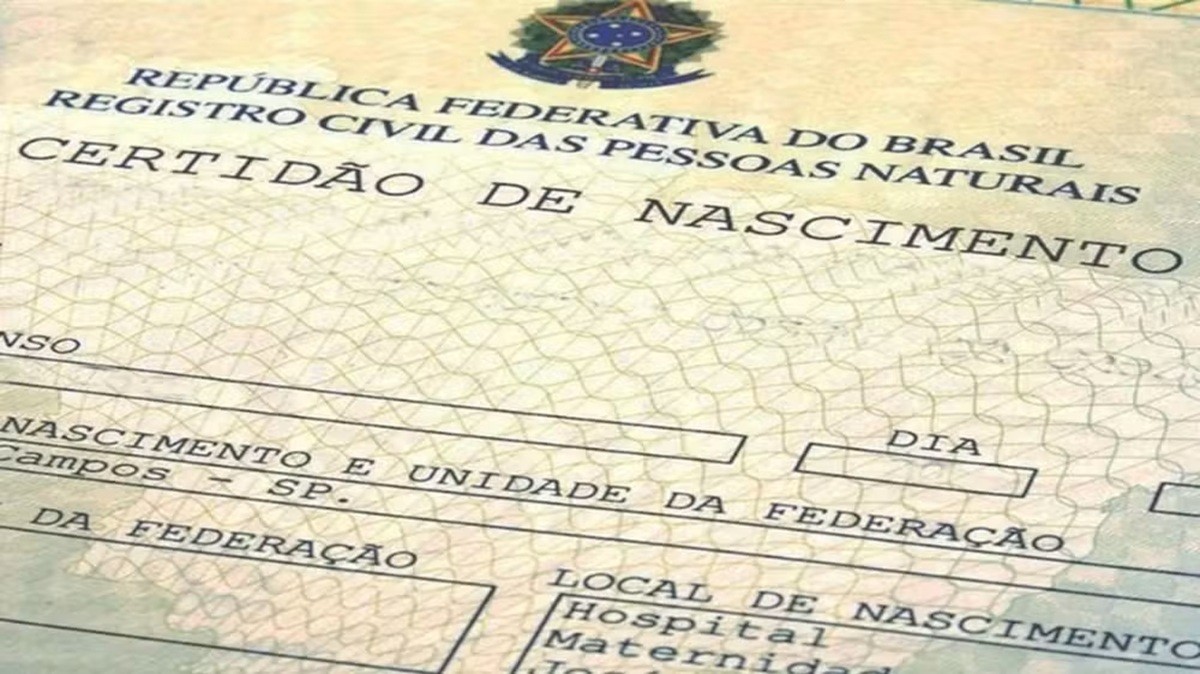
Brazilian courts are grappling with rare legal cases that could allow individuals to remove their mother's name from official birth certificates, particularly in instances of severe childhood abuse. A significant precedent was set a decade ago when the Espírito Santo Court of Justice (TJES) permitted four siblings, who were victims of extreme abuse by their mother, to have her name removed from their civil registry. This decision, considered highly unusual in Brazil, prioritized the victims' dignity and protection over the biological link. The issue has resurfaced nationally following the case of Heloísa Rodrigues, a 28-year-old biomedical student who has been seeking to remove her mother's name from her records since 2024, citing years of childhood abuse. While a São Paulo court initially only allowed the removal of the mother's surname, her appeal to remove the filiation entirely is pending.
Legal experts emphasize that such rulings are exceptional and depend on individual case assessments, as no specific law addresses this situation. The TJES ruling in 2016 involved children under ten who suffered sexual, physical, and psychological abuse. The court reasoned that the mother, having permanently lost parental rights and contact, was biologically related but legally and affectively absent. The argument successfully presented was that civil records should reflect truth, and for the victims, bearing the abuser's name was a constant source of suffering and an affront to human dignity. The court cited psychological and psychiatric reports indicating that maintaining the maternal name exacerbated the victims' trauma, justifying an exception to the general rule of immutability of civil records.
This legal development highlights a growing tension between traditional civil registry principles and evolving understandings of familial relationships and victim rights. The cases challenge the immutability of birth certificates, suggesting that legal documentation should adapt to reflect profound emotional and psychological realities, especially when stemming from extreme trauma. The judiciary's consideration of such requests, while rare, indicates a potential shift towards prioritizing a victim's well-being and identity over rigid legal adherence. This could prompt a broader societal conversation about how legal frameworks can better accommodate complex familial dynamics and provide redress for severe past harms, particularly in the digital age where identity is increasingly fluid and verifiable. The long-term implications may involve establishing clearer legal pathways for individuals seeking to redefine their legal identity in response to profound personal histories.
AI-generated to prompt reflection — not editorial opinion, not advice, not a statement of fact. How this works.