Brazilian Dentistry Council Bans PMMA for Aesthetic Purposes
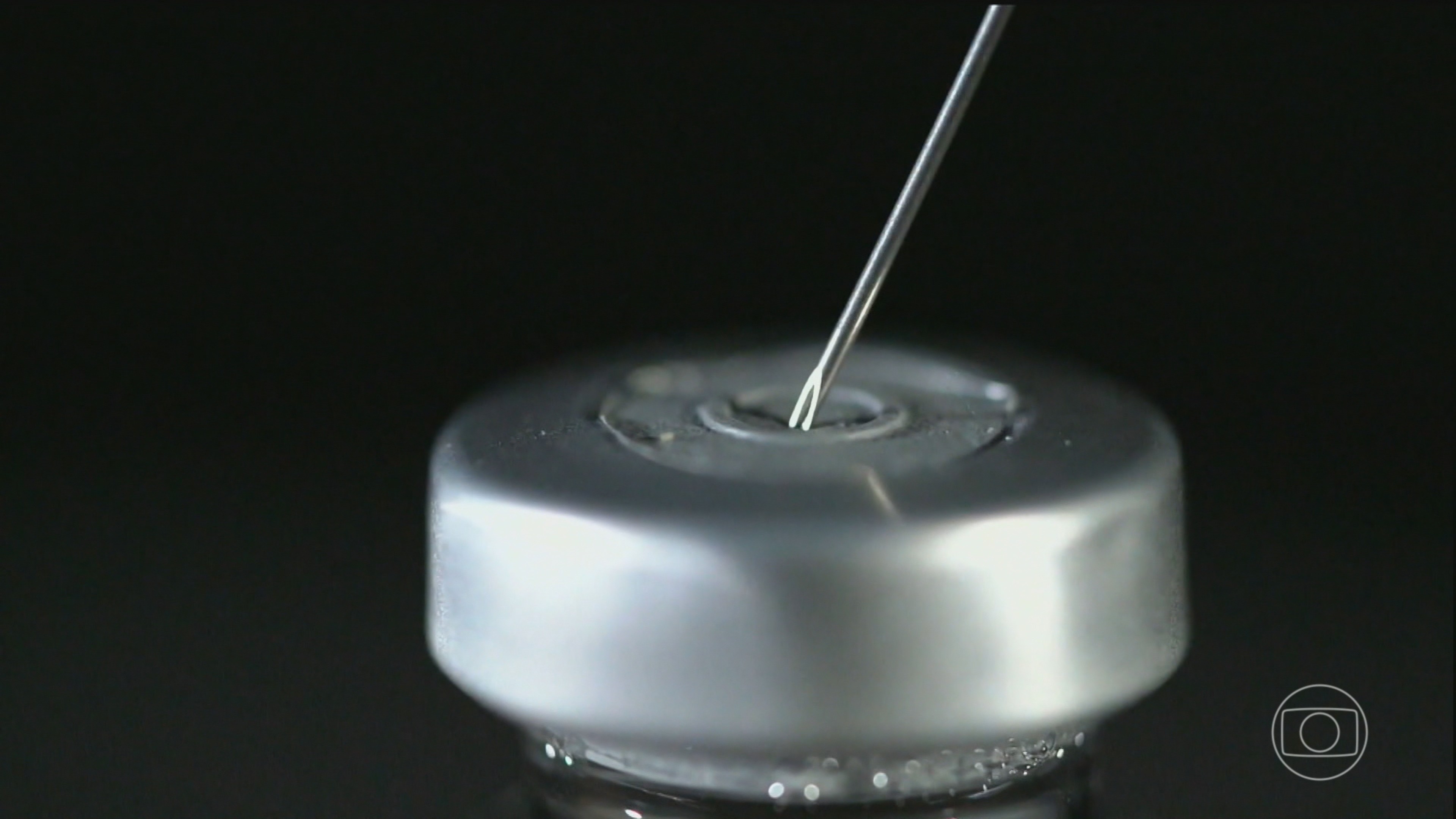
The Federal Council of Dentistry (CFO) in Brazil has prohibited dentists from using polymethylmethacrylate (PMMA) as an injectable filler for purely aesthetic reasons. This measure, published in the Official Gazette on May 24, took effect immediately. The resolution clarifies that PMMA use remains permissible only for reconstructive treatments explicitly authorized by the National Health Surveillance Agency (Anvisa), provided the dentist possesses specific technical qualifications. PMMA, a synthetic substance composed of microspheres in gel, is a permanent filler. While its medical use is permitted for specific situations like correcting deformities and tissue reconstruction, its application in aesthetic procedures to enhance facial and gluteal volume has drawn criticism due to severe complication risks. The CFO considers procedures without proven functional, reparative, or reconstructive indication as exclusively aesthetic. Anvisa classifies PMMA as a Class IV risk product, the highest category, authorizing its use solely for restorative treatments, such as correcting volume loss from diseases or lipodystrophy in HIV/AIDS patients. Documented risks include inflammatory reactions, granulomas, infections, necrosis, embolisms, hypercalcemia, kidney failure, blindness, and irreversible aesthetic and functional damage. The CFO views indiscriminate aesthetic PMMA use as a significant public health issue, subjecting non-compliant dentists to disciplinary action. In approved reconstructive cases, patients must receive clear information on risks, benefits, alternatives, and the product's non-absorbable nature, along with traceability and informed consent. This follows a similar ban by the Federal Council of Medicine (CFM) in late May, which also limited PMMA use to lipodystrophy treatment in HIV/AIDS patients in specific public health units. The Brazilian Society of Dermatology also supported the ban, lamenting a recent death linked to aesthetic PMMA procedures.
The Federal Council of Dentistry's prohibition on PMMA for aesthetic purposes reflects a growing global concern regarding the safety and regulation of permanent fillers. This decision, mirroring actions by the Federal Council of Medicine and dermatological societies, highlights a systemic tension between the demand for cosmetic enhancements and the inherent risks associated with permanent biomaterials. The CFO's emphasis on Anvisa-approved reconstructive uses and stringent patient consent protocols underscores a public health imperative to mitigate severe adverse events, such as necrosis and irreversible damage. Moving forward, the dental and medical professions face the challenge of balancing patient autonomy and aesthetic desires with evidence-based safety standards, potentially driving innovation towards safer, reversible, or biodegradable alternatives in the cosmetic enhancement market.
AI-generated to prompt reflection — not editorial opinion, not advice, not a statement of fact. How this works.