Brazilian Designer Crafts Wedding Dress Using Nearly 3,000 World Cup Sticker Backings
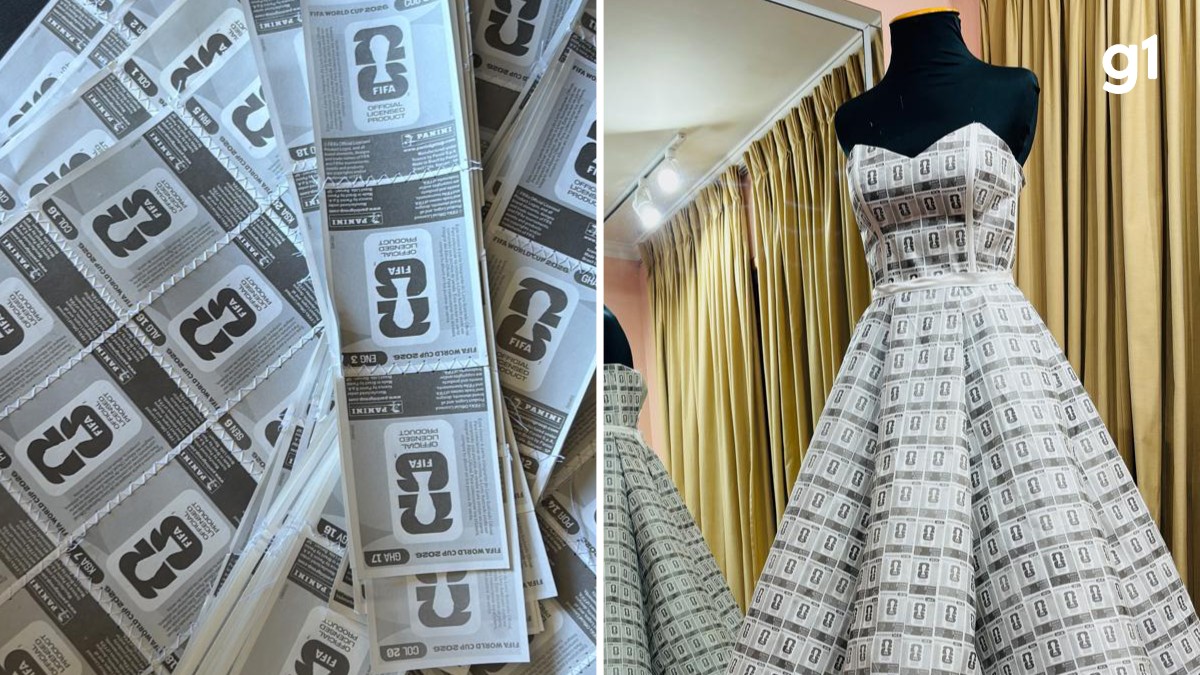
A fashion designer from Rio Grande do Sul, Brazil, has created a unique conceptual wedding dress adorned with nearly 3,000 "liners" – the paper backing from World Cup stickers. Aline Raguzzoni, owner of a Porto Alegre atelier, was inspired by her own family's experience collecting the stickers for the World Cup album. She noticed the significant amount of waste generated by the discarded liners and decided to repurpose them into an artistic creation. The idea evolved from a joke about making an album solely from liners to a more ambitious project. To gather enough material, Raguzzoni enlisted the help of neighbors and colleagues, with her husband suggesting appeals in school and condominium parent groups. Her 10-year-old daughter also contributed by bringing papers from school daily. In total, approximately 2,890 liners were used in the dress's construction, with the family collecting three times more material than initially needed. Raguzzoni clarified that the piece is not intended for actual bridal wear but serves as an art installation, symbolizing the power of collective effort and finding significance in small components. The project also highlights recycling, as the liner material requires specific disposal and cannot be mixed with regular dry or organic waste. Following its display, the conceptual dress is slated for proper disposal due to its volume and paper composition.
This creative reuse of World Cup sticker liners into a wedding dress highlights a growing trend of upcycling and artistic repurposing of waste materials. The project draws attention to the environmental impact of collecting popular items, prompting reflection on consumption patterns and disposal challenges, particularly for specialized materials. From a systems perspective, it demonstrates how individual creativity can leverage community networks to address material scarcity and promote awareness. The initiative's focus on the specific disposal needs of the liners underscores the complexities of waste management in an era of diverse consumer products. Looking ahead, such art installations can serve as powerful visual metaphors, encouraging broader societal engagement with circular economy principles and the potential for innovation within waste streams.
AI-generated to prompt reflection — not editorial opinion, not advice, not a statement of fact. How this works.