Brazilian Designer Transforms Soccer Jerseys into High Fashion
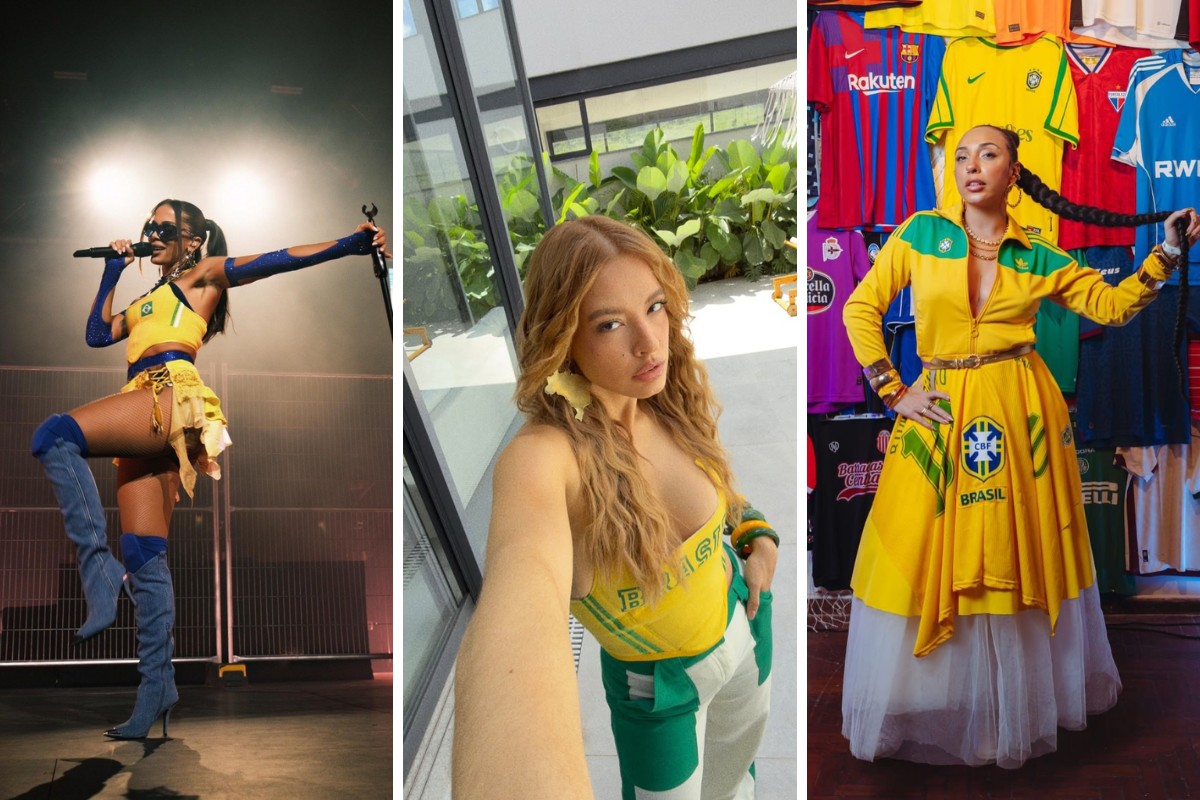
Ana Matos, a fashion designer from Campinas, São Paulo, is gaining recognition for her unique approach to upcycling old soccer jerseys into stylish dresses, corsets, and skirts. Her brand, Matos Brexó, which began in late 2020/early 2021, sources vintage jerseys from thrift stores and personal collections to create exclusive, high-value fashion pieces. This innovative technique, known as upcycling and rework, breathes new life into discarded sportswear, aligning fashion with sustainability. Matos's creations have been worn by numerous Brazilian celebrities, including singers Anitta, Valesca Popozuda, and Marvvila, as well as former Big Brother Brasil contestants like Beatriz Reis and Rafa Kalimann. Her work gained significant momentum during the 2022 World Cup and has continued to grow, especially with pieces featuring the Brazilian national colors. The designer handles most aspects of her business, from sewing and design to sales and photography, promoting her brand by lending pieces to content creators for exposure. Recently, Matos had the opportunity to design a corset for Anitta's international tour, a project that materialized rapidly after the stylist discovered her work. Matos, who has a background in geography and sustainable business, emphasizes that her upcycling process involves using pre-existing materials, not purchasing new jerseys solely for alteration, which she views as contrary to the spirit of sustainable fashion.
This case study highlights the growing intersection of sustainability, celebrity influence, and fashion innovation. Ana Matos's business model leverages the cultural significance of soccer jerseys and the demand for unique, ethically produced garments. The strategy of partnering with influencers and celebrities provides significant market validation and broadens reach, particularly during high-profile events like the World Cup. However, the trend of upcycling, while positive, faces challenges. The distinction between genuine upcycling and the purchase of new items for alteration is crucial for maintaining the environmental integrity of the practice. As this niche market expands, clear communication and adherence to sustainable principles will be vital for long-term brand credibility and impact. The future may see increased demand for transparency in sourcing and production methods within the upcycled fashion sector.
AI-generated to prompt reflection — not editorial opinion, not advice, not a statement of fact. How this works.