Brazilian Driver Missing in France; Sister Unaware of Domestic Violence Arrest Warrant
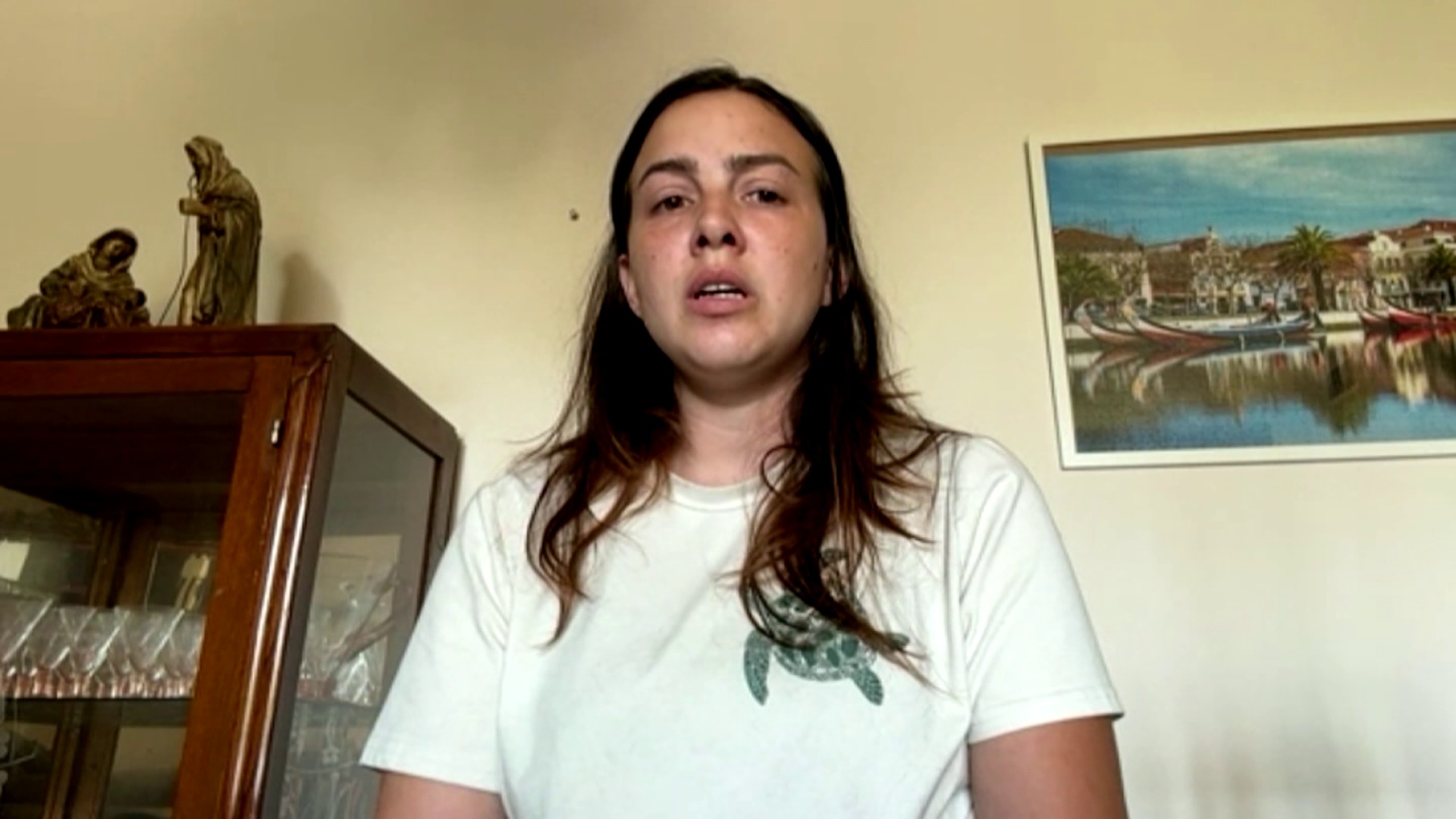
Beatriz Rego, sister of 28-year-old Brazilian app driver Bruno Fernando Rego, who has been missing in France for nearly a month, stated she is unaware of a preventive arrest warrant issued against him by Brazilian authorities. The warrant, from Leme, São Paulo, is for alleged domestic violence against a woman. Beatriz emphasized that the family's sole focus is locating Bruno alive, stating they have no technical knowledge of Brazilian legal processes and will not comment on leaks or speculation. She asserted that her brother's life preservation and a family's right to know the whereabouts of a missing loved one are paramount, expressing confidence in Brazilian and French authorities' efforts to find him. The judicial order suggests Bruno may be in France illegally, according to the National Justice Council (CNJ). The warrant is valid until May 20, 2030, with the judge citing the need for the precautionary measure to ensure public order and the victim's integrity. Bruno, originally from Capivari, São Paulo, had been in France for about a year, working as an app driver to earn money for his 4-year-old daughter's medical treatment in Brazil. He reportedly lost his passport and disappeared with only the clothes he was wearing, and his phone has been unreachable since July 5th. His sister described his routine as intense but stated his disappearance is highly uncharacteristic. The Brazilian Ministry of Foreign Affairs confirmed it is aware of the case and providing consular assistance to the family but declined to share specific details.
This situation highlights the complex intersection of international law, personal circumstances, and family distress. The issuance of a domestic arrest warrant while the individual is abroad raises questions about jurisdictional reach and the effectiveness of international cooperation in such cases. The family's stated priority of locating their missing relative underscores the human element often overshadowed by legal proceedings. From a systemic perspective, the case prompts consideration of how legal systems can better manage cases involving individuals who have relocated internationally, particularly when allegations of serious offenses arise. It also points to the challenges faced by families seeking information and assistance across borders during a crisis. The narrative emphasizes the potential disconnect between legal mandates and immediate humanitarian concerns, suggesting a need for integrated approaches that address both.
AI-generated to prompt reflection — not editorial opinion, not advice, not a statement of fact. How this works.