Brazilian Engineer, 34, Missing in Lyon, France; Community Launches Search
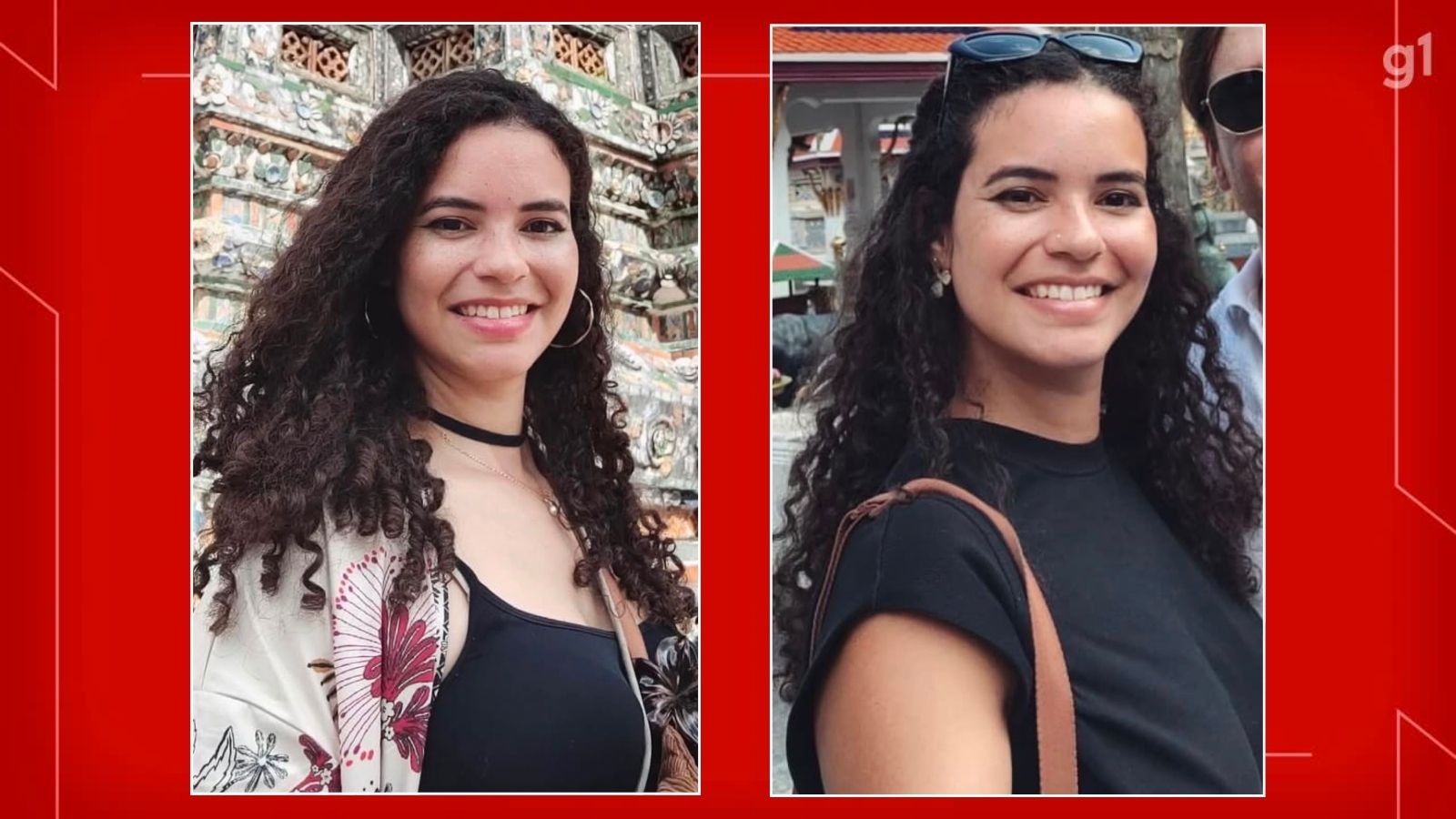
Gabriele da Silva Monteiro, a 34-year-old Brazilian engineer from Brasília, has been missing in Lyon, France, since Thursday afternoon, November 23rd. Her friend, lawyer and doctoral student Lívia Possi, confirmed the disappearance to g1. Monteiro and Possi were scheduled to travel to Rouen on Friday, November 24th, for a friend's wedding. Monteiro, who graduated from the Federal University of Ceará, has lived in France for over a decade, where she married and established her career. Her husband returned home around 5 PM on Thursday to find her gone. Her phone, bank cards, personal documents, and an unfinished suitcase were left behind; only a pair of slippers and a set of keys appear to be missing. The apartment door was found closed but unlocked, leading friends to believe she may have stepped out briefly. The Brazilian community in Lyon has mobilized to find her, distributing flyers, contacting hospitals, authorities, and French media. Monteiro's family contacted the Brazilian Consulate-General in Marseille, but as of the report's last update, they were awaiting a response. The Itamaraty (Brazil's Ministry of Foreign Affairs) stated the consulate is available to provide consular assistance to the family but could not detail specific actions or contacts with French authorities. French police formally opened an investigation on Friday, November 24th, and the case has been assigned to a specialized missing persons unit. Bloodhounds are expected to be used in the search on Saturday, November 25th. Monteiro's brother and mother are traveling from Portugal to Lyon to support the investigation.
The disappearance of Gabriele da Silva Monteiro highlights the challenges in locating individuals in foreign countries, particularly when personal effects like phones and documents are left behind, suggesting an unplanned departure. The mobilization of the Brazilian expatriate community underscores the importance of social networks in addressing such crises, especially when official response times may lag behind immediate needs. The situation also points to the complexities of consular assistance, where the stated availability of support must be balanced against the practicalities of international cooperation and information sharing between national law enforcement agencies. Future considerations for cross-border missing persons protocols could involve enhanced data-sharing agreements and pre-established communication channels between consulates and host country police forces to expedite investigations and provide timely support to families.
AI-generated to prompt reflection — not editorial opinion, not advice, not a statement of fact. How this works.