Brazilian Farmer Who Found Oil May Now Drill for Water After Study
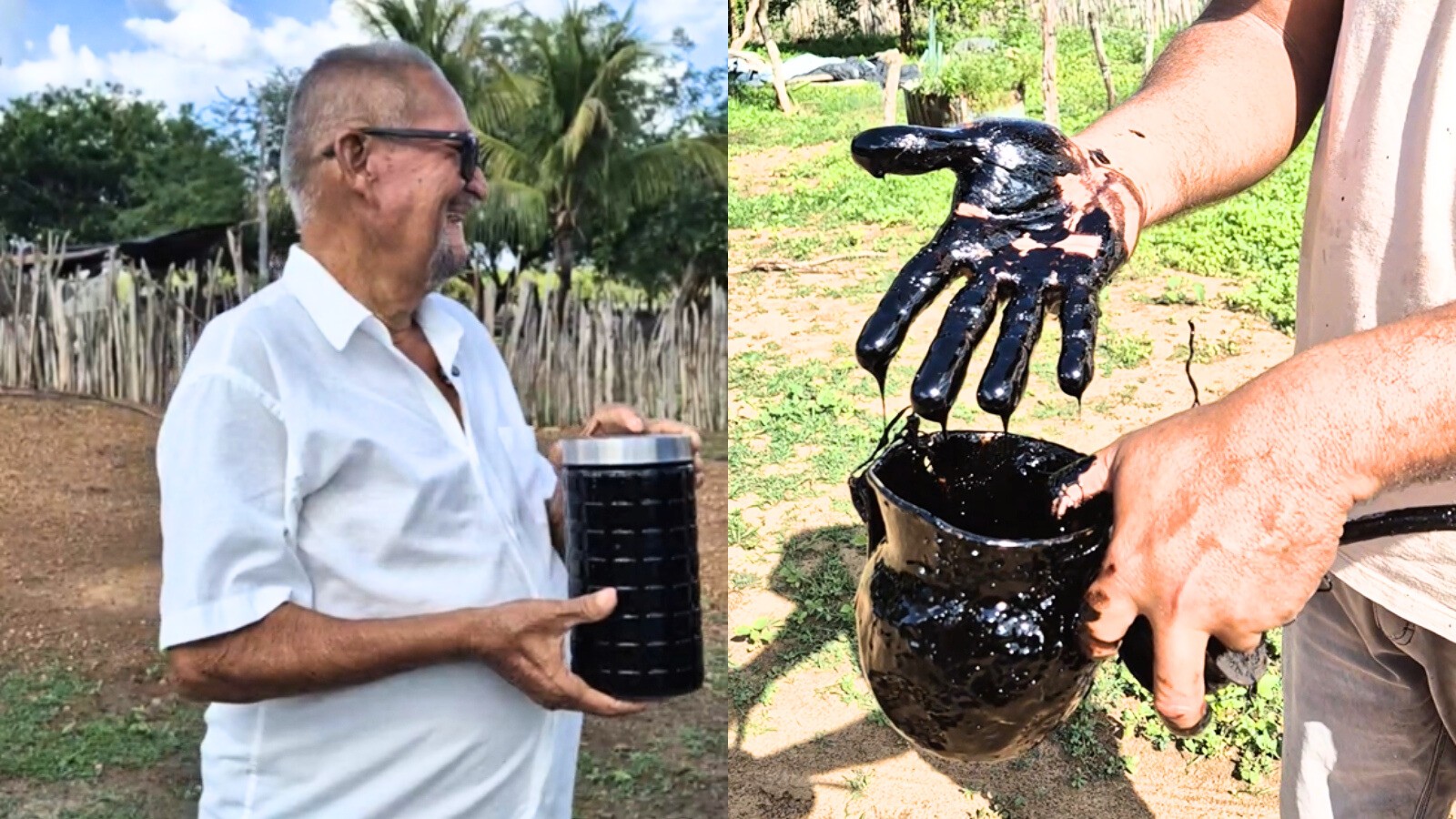
A farmer in Ceará, Brazil, who unexpectedly discovered crude oil instead of water when drilling a well on his property, may now have the opportunity to drill again for water. Sidrônio Moreira, located in Tabuleiro do Norte, approximately 210 kilometers from Fortaleza, had been seeking water to alleviate scarcity issues on his 48-hectare farm. In 2024, his efforts resulted in the discovery of a black, fuel-like liquid, which the National Petroleum Agency (ANP) confirmed in May to be crude oil. The ANP has initiated an administrative process to assess the geological context and potential reserves, though it has not set a deadline for this evaluation and commercial exploitation is not guaranteed. Following the ANP's confirmation, the family was prohibited from further work on the site due to environmental safety concerns. Now, the Superintendence of Hydraulic Works (Sohidra) has agreed to conduct a soil study, commencing in August, to identify suitable locations for new water wells. This study aims to increase the likelihood of successfully finding groundwater. The farmer expressed relief, noting the urgent need for water due to drying pastures and increased animal consumption. Despite the oil discovery, Moreira, who lives with his wife and two children, faces financial strain, including loan payments for the initial well drilling, and relies on an aqueduct for basic household needs. While the subsoil and its resources belong to the Union, Moreira could receive a percentage of any future commercial oil production. However, this depends on the ANP's assessment of the area's viability, as similar past discoveries have been deemed too small for exploitation.
This situation highlights the complex interplay between resource discovery, land rights, and immediate human needs. While the discovery of oil presents a potential long-term economic opportunity, the farmer's immediate crisis is water scarcity, underscoring the critical infrastructure gaps in arid regions. The ANP's regulatory process, while necessary for responsible resource management, creates uncertainty for the landowner. Future policy discussions could explore mechanisms to expedite assessments or provide interim support in such unique circumstances, balancing resource stewardship with the pressing needs of local populations. The event also prompts reflection on the value placed on different resources – water versus oil – and how societal and economic priorities might necessitate adaptive governance frameworks for land use and resource extraction.
AI-generated to prompt reflection — not editorial opinion, not advice, not a statement of fact. How this works.