Brazilian Federal Deputy Fred Linhares Admits Error After Being Filmed Driving Without Seatbelt
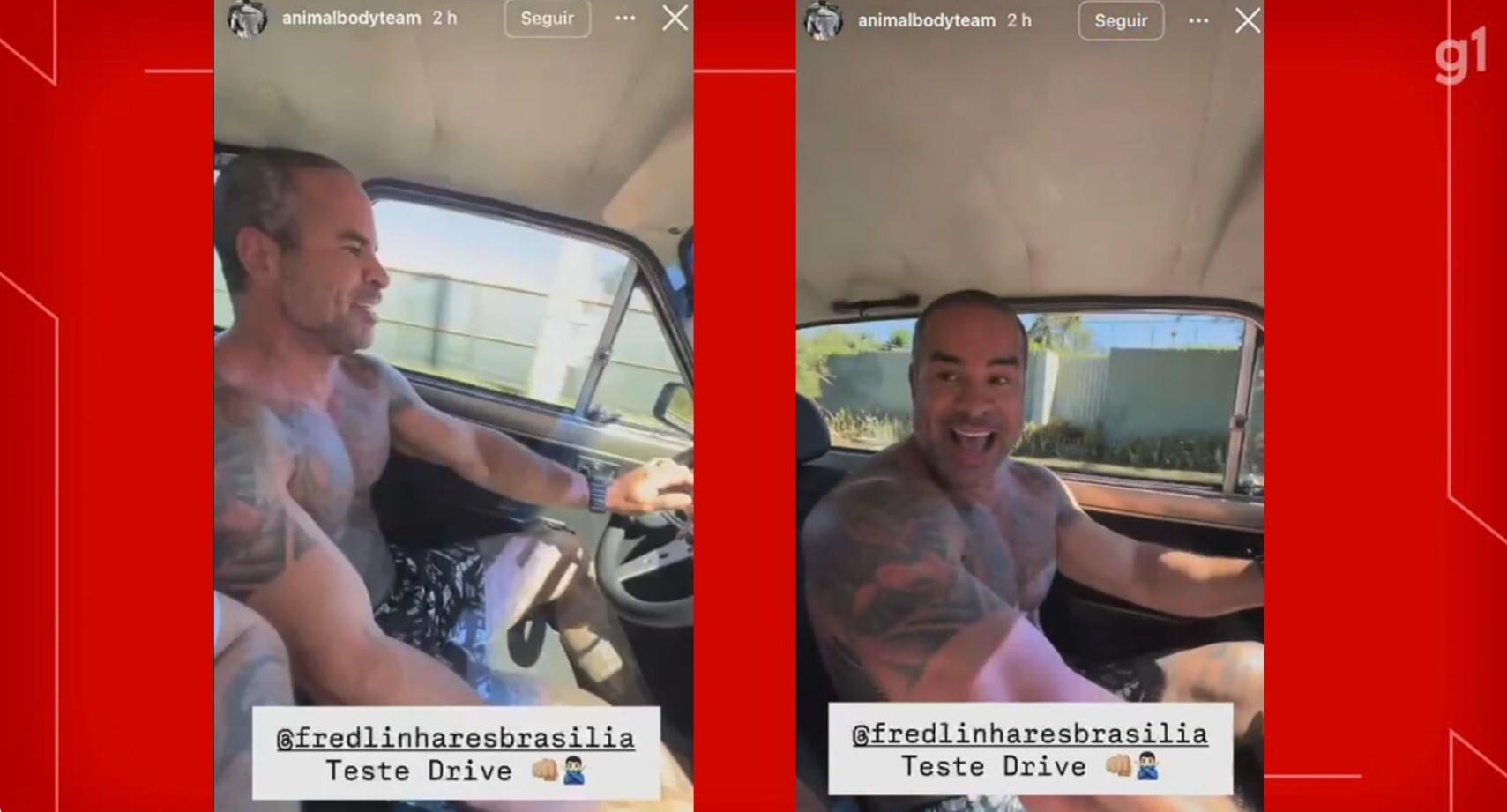
Federal Deputy Fred Linhares, representing the Republicanos party in the Federal District (DF) of Brazil, has acknowledged making a mistake by driving without a seatbelt. He was captured on video, shared on social media on Sunday, May 5th, by the vehicle's owner, identified as "Paulo, o Águia." The footage shows Linhares driving shirtless and accelerating the car, reportedly in a residential area near his home in Lago Norte. The video was filmed in a section of road close to a school, where the speed limit is 40 km/h, though the vehicle's speed is not visible in the recording. Driving without a seatbelt is classified as a serious traffic violation in Brazil, carrying a fine of R$195.23 and five points deducted from the driver's license. In a video statement, Linhares recognized his error and emphasized the importance of wearing a seatbelt on all journeys, regardless of distance. He also stated that he has formally requested the relevant administrative actions from the Department of Traffic (Detran). Linhares described the incident as a private leisure moment with a friend, asserting the vehicle was traveling at a normal speed without any abrupt maneuvers.
The incident involving Federal Deputy Fred Linhares highlights the tension between public figures' personal conduct and their role as lawmakers. While Linhares has acknowledged his lapse in traffic safety, the context of being filmed by a third party and the subsequent public dissemination raises questions about privacy and accountability. The deputy's proactive step in contacting Detran suggests an attempt to manage the reputational fallout and demonstrate commitment to traffic laws. This event underscores the broader challenge of ensuring adherence to regulations by those who create them, particularly in an era where personal actions are easily captured and amplified through social media. Future considerations for public officials might involve reinforcing the understanding that personal conduct, even in private leisure, can have public implications and impact trust in governance.
AI-generated to prompt reflection — not editorial opinion, not advice, not a statement of fact. How this works.