Brazilian Federal Highway Police Rescue Wild Birds Transported in Cruel Conditions
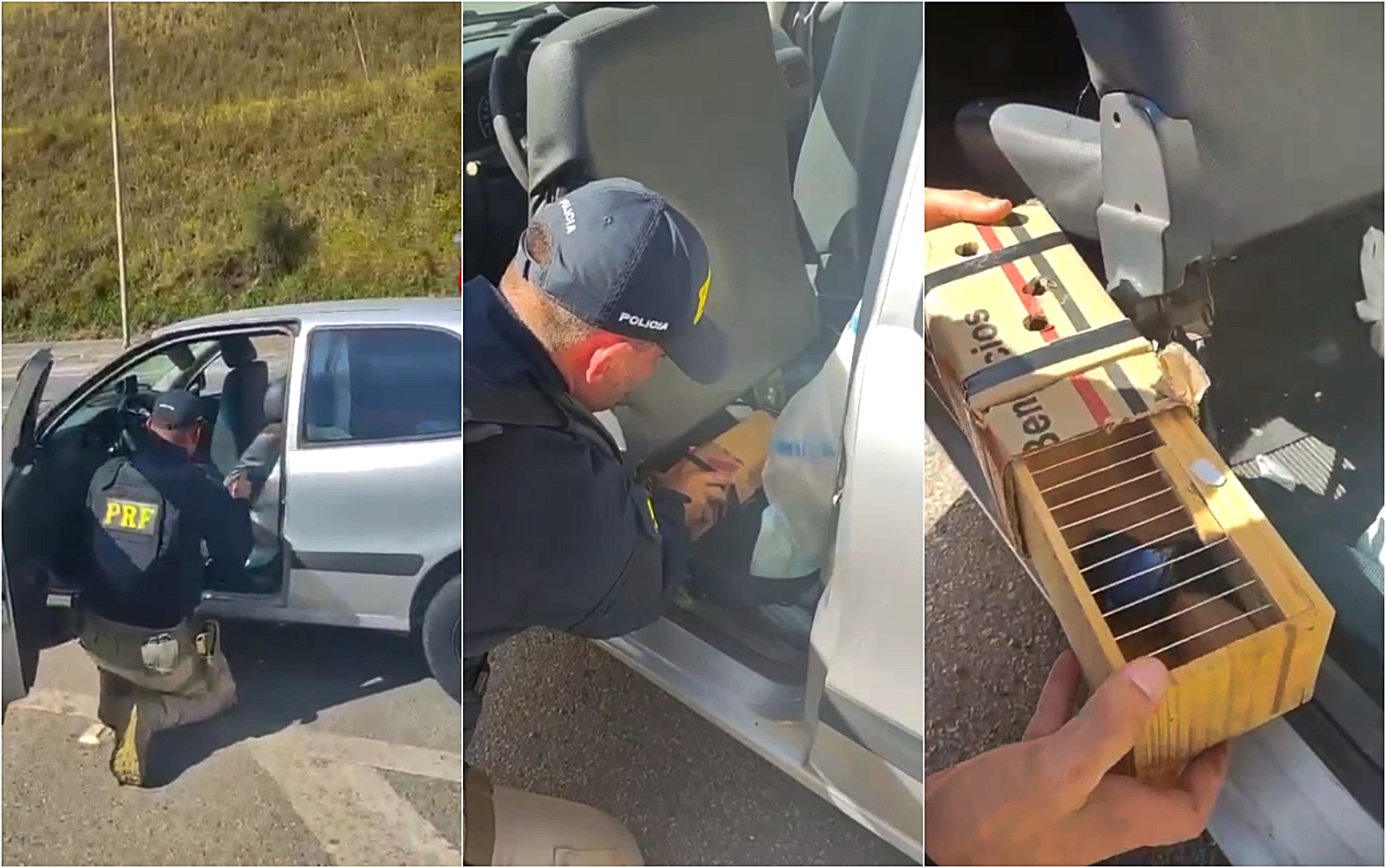
The Federal Highway Police (PRF) in Brazil rescued five wild birds being transported under conditions of animal cruelty during a traffic stop on the Fernão Dias highway (BR-381) in Perdões, Minas Gerais. The incident occurred on Tuesday, August 29th, near kilometer 679. Officers stopped a car with license plates from São Paulo, carrying three individuals, which was traveling from Sorocaba, São Paulo, to Ponte dos Volantes in Minas Gerais. During the inspection, police discovered a bag of birdseed in the trunk and subsequently found five birds hidden beneath the front seats. The rescued birds included three trinca-ferros (Saltator similis) and two azulões (Cyanoloxia brissonii). These animals were confined in makeshift cages and a cardboard box without proper authorization for transport from environmental agencies. The PRF reported that the cages lacked food and water, showed accumulated feces, and one bird was in a box with insufficient space and ventilation. One trinca-ferro was in a cage too small for its size, severely restricting its movement during the approximately 1,250-kilometer journey. The birds belonged to a 38-year-old passenger, who may face charges for irregular transport of wild animals and animal cruelty under Brazil's Environmental Crimes Law. The birds were transferred to the Military Environmental Police in Lavras for necessary care and appropriate placement. The owner signed a commitment to appear in court and was released, while the vehicle was seized and impounded.
This incident highlights the ongoing challenge of wildlife trafficking and animal welfare violations within transportation networks. The PRF's intervention underscores the importance of regulatory enforcement in combating illegal trade and ensuring humane treatment of animals. The legal repercussions for the individual involved, including potential charges for animal cruelty and irregular transport, reflect the legal framework designed to protect wildlife. Moving forward, enhanced surveillance and public awareness campaigns could further deter such practices, while also promoting responsible pet ownership and discouraging the capture and trade of native species. The systemic issue of demand for exotic or wild birds, coupled with inadequate enforcement capacity across vast transportation routes, presents a persistent challenge for conservation efforts and animal welfare advocacy.
AI-generated to prompt reflection — not editorial opinion, not advice, not a statement of fact. How this works.