Brazilian Federal Police Bust Counterfeiting Ring Operating Across Three States
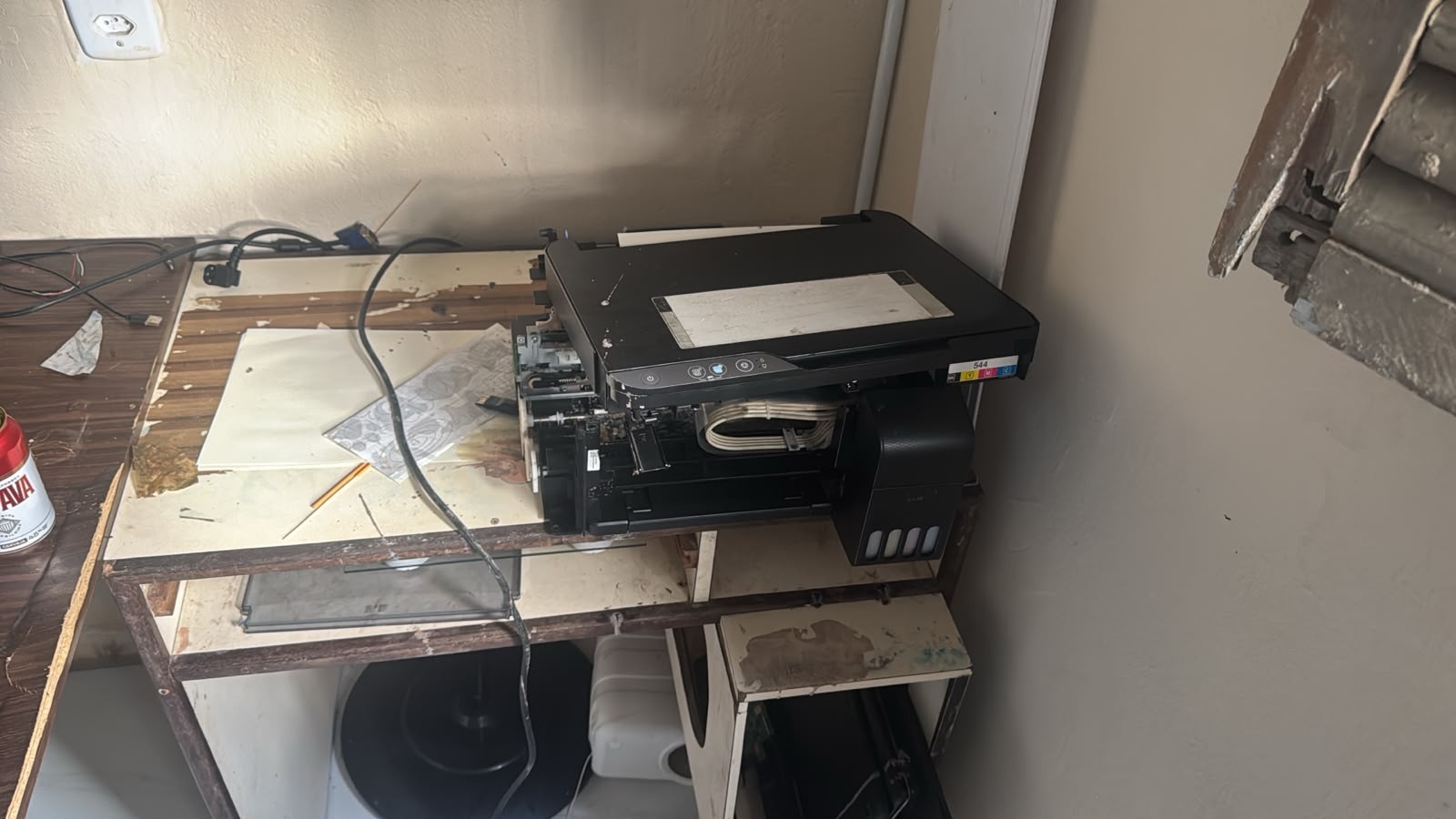
The Brazilian Federal Police (PF) launched an operation on Wednesday, May 22nd, targeting a group suspected of manufacturing, distributing, and selling counterfeit currency. The operation involved executing arrest and search warrants in the states of Paraíba, Pernambuco, and Santa Catarina. In Paraíba, actions took place in João Pessoa and Mogeiro. In Pernambuco, warrants were served in Paulista, Abreu e Lima, Caruaru, and Igarassu. Lages in Santa Catarina was also a target. Federal Justice ordered a total of 24 precautionary measures, including 14 search and seizure warrants and 10 preventive arrest warrants, though the exact number executed in each state was not disclosed. Investigations revealed the group operated a clandestine laboratory to produce fake money and managed all stages of the scheme, from acquiring materials to distributing the counterfeit bills. Sales were conducted through social media, messaging apps, digital platforms, and postal services, with significant financial transactions observed. Beyond counterfeiting, the PF is investigating the group for criminal organization, qualified receiving, vehicle alteration, drug trafficking, illegal firearms trade, and money laundering. The investigation also uncovered links to stolen and cloned vehicles, drug dealing, and arms trafficking. Efforts are ongoing to identify further accomplices and expand the inquiry into all alleged crimes.
This operation by the Brazilian Federal Police highlights the sophisticated and multi-faceted nature of organized crime networks. The PF's investigation into counterfeit currency production and distribution, alongside associated crimes like drug trafficking and arms dealing, demonstrates a systemic approach to dismantling criminal enterprises. The use of digital platforms and social media for illicit transactions points to the evolving tactics of these groups, necessitating continuous adaptation in law enforcement strategies. Examining the financial flows and material acquisition involved could reveal vulnerabilities in supply chains and payment systems that future regulatory frameworks might address. The interconnectedness of these criminal activities suggests that a holistic approach, addressing root causes and interdependencies, is crucial for long-term public security and economic stability.
AI-generated to prompt reflection — not editorial opinion, not advice, not a statement of fact. How this works.