Brazilian Federal Police Busts Medical Residency Exam Fraud Ring Across Multiple States
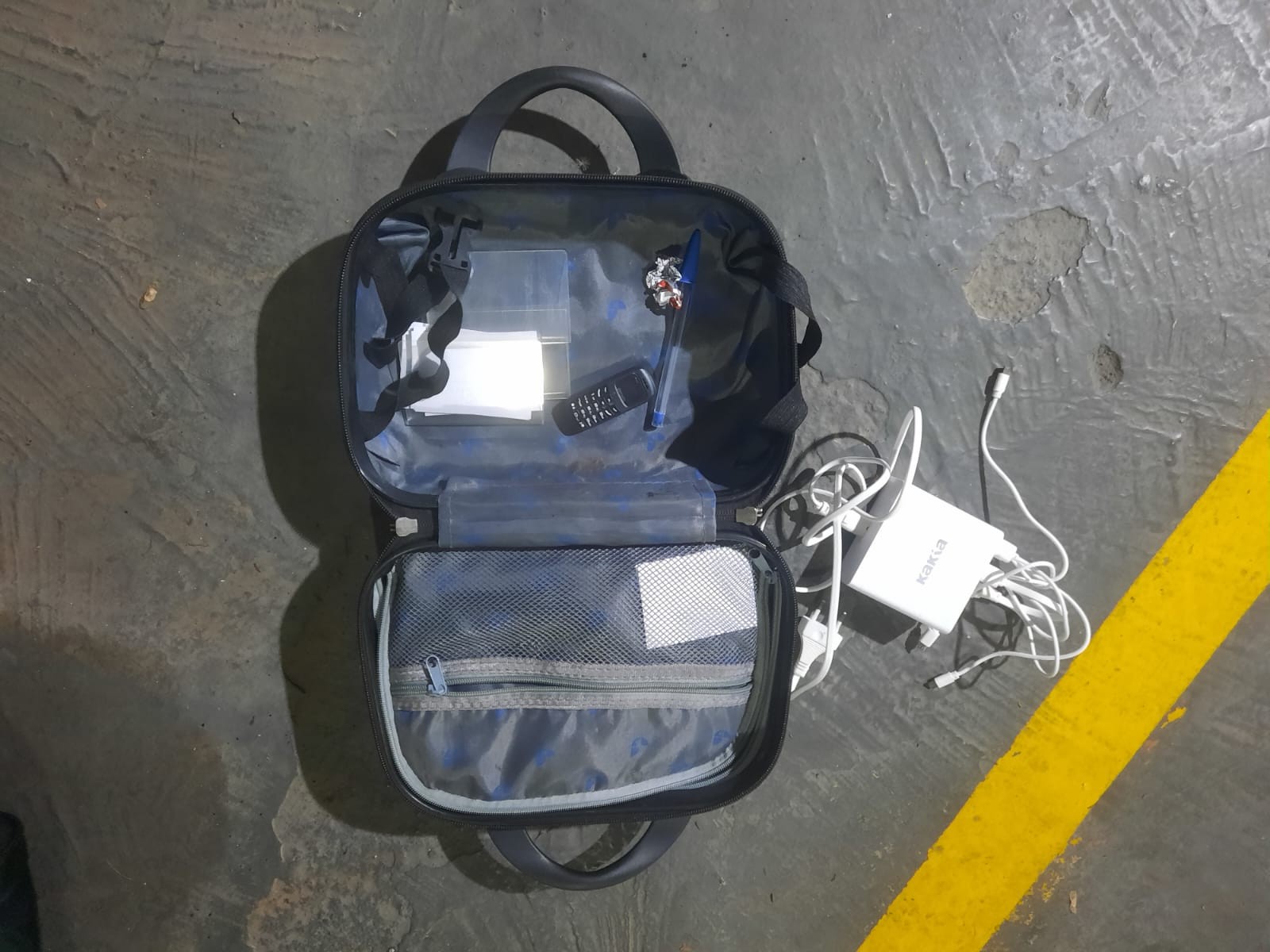
The Brazilian Federal Police (PF) has launched the second phase of 'Operation R2,' targeting a sophisticated fraud scheme involving the National Exam for Medical Education Assessment (ENAMED). This exam is crucial for medical residency selection processes across Brazil. The operation saw six search and seizure warrants executed across Rio de Janeiro, São Paulo, Pará, and Maranhão states. During the raids, police confiscated mobile phones, indicating the use of electronic devices in the scheme. The PF alleges that three doctors acted as masterminds, employing 'ghost candidates' or 'laranjas' to take the exam on their behalf, utilizing falsified identity documents. An additional three doctors are under investigation for their alleged roles in recruiting participants for this fraudulent operation. The names of the medical professionals involved have not been disclosed. This latest action is a continuation of 'Operation R1,' initiated on October 19, 2025, which resulted in the arrest of eight individuals during an exam in Juiz de Fora. Investigations are ongoing to identify further accomplices and fully understand the criminal organization's structure. The scheme involved two primary methods: transmitting answers to candidates via electronic devices like mini-cell phones and smartwatches during the exam, and the use of impersonators who registered with fake IDs to sit for the test. Participants in the fraud reportedly faced costs of up to R$140,000 upon successful placement.
This operation highlights systemic vulnerabilities in high-stakes national examinations, particularly those with significant career and financial implications. The dual methods of answer transmission and impersonation suggest a well-organized criminal enterprise exploiting technological means and human networks. The substantial financial incentives, up to R$140,000, indicate a market for fraudulent exam access, pointing to potential demand-side pressures from aspiring medical professionals. Future reforms could focus on enhanced biometric verification, secure examination environments, and robust post-exam audits to mitigate such risks. The involvement of multiple states underscores the need for coordinated inter-state law enforcement and regulatory oversight to combat widespread corruption in educational and professional certification processes.
AI-generated to prompt reflection — not editorial opinion, not advice, not a statement of fact. How this works.