Brazilian Federal Police Dismantle National Anabolic Steroid Ring
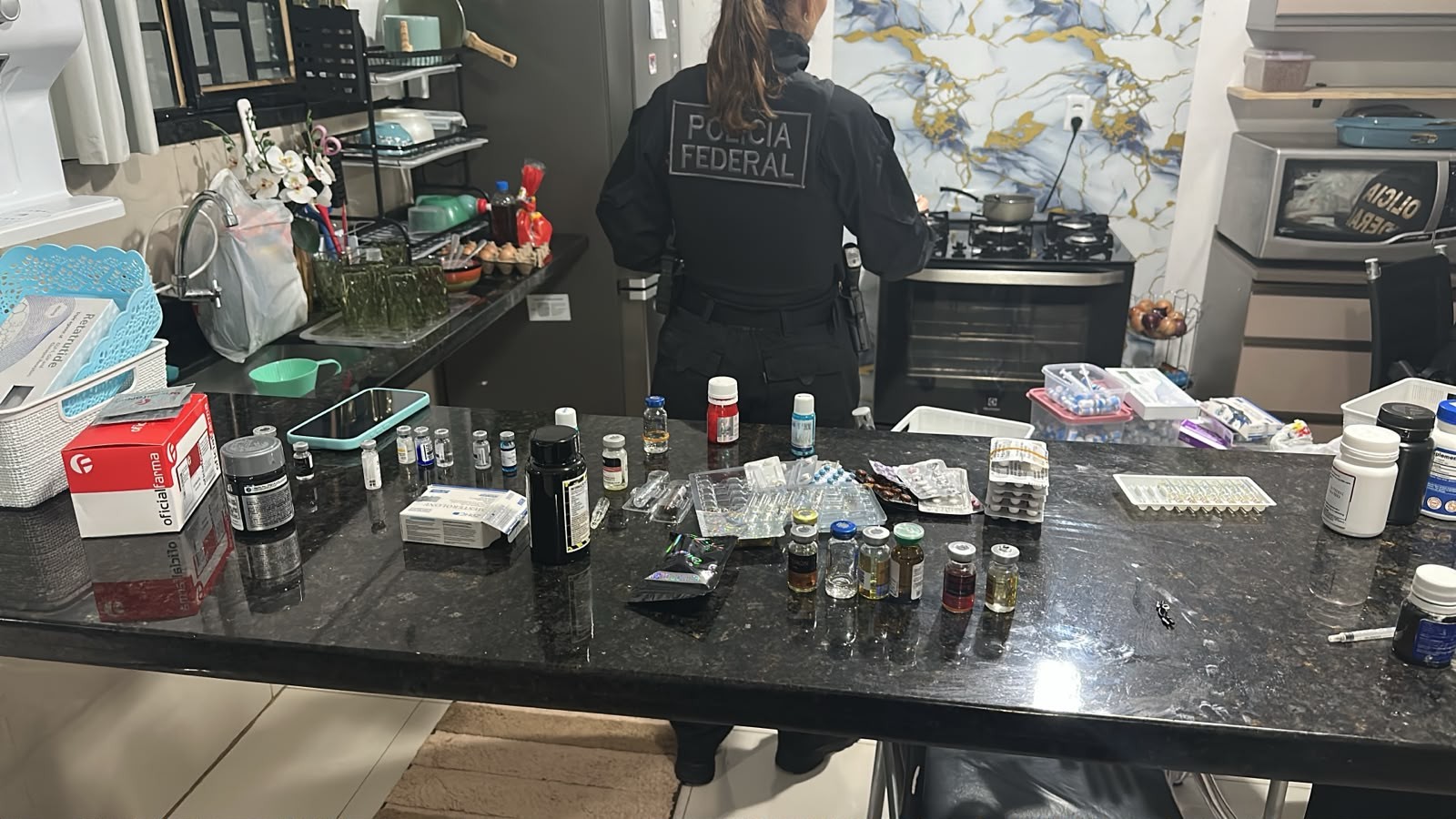
The Brazilian Federal Police (PF) has arrested a 40-year-old man in Cosmópolis, São Paulo, identified as the central figure in a national scheme for producing and distributing anabolic steroids. The suspect, who allegedly operated in criminal activities for about ten years, ran a clandestine laboratory within his home, supplying various injectable and oral steroids across Brazil. The operation, which began in late 2024 after suspicious import seizures by the Federal Revenue and Post Office, uncovered a sophisticated international network. This network illegally imported raw materials from Asia, Europe, and South America, including countries like China, Paraguay, and France, using fake documents and shell companies. The PF also seized a significant quantity of materials, including components, vials, packaging, and shipping labels, indicating a well-established distribution logistics. The investigation revealed the use of false documentation, acquisition of assets, and bank accounts held by third parties. In addition to the main suspect in Cosmópolis, another individual, also around 40 years old, was arrested in Boa Vista, Roraima, for acting as a key distributor. The PF has also obtained court orders for the seizure of bank accounts, vehicles, and properties, along with the lifting of fiscal and telecommunications secrecy for the involved parties. This operation involved collaboration with the 10th Special Actions Battalion of the Military Police of Piracicaba and targeted locations in Cosmópolis, Boa Vista, and Rio de Janeiro.
This operation highlights the persistent challenge of regulating the illicit trade of performance-enhancing drugs, which often involves sophisticated international supply chains and domestic distribution networks. The use of shell companies, false documents, and international shipping routes points to the adaptability of criminal organizations in circumventing regulatory oversight. The PF's success in tracing shipments and identifying key actors demonstrates the increasing effectiveness of data analysis and inter-agency cooperation in combating organized crime. Looking ahead, the increasing demand for such substances, coupled with advancements in chemical synthesis, suggests that these illicit markets will continue to evolve, necessitating ongoing vigilance and adaptive enforcement strategies. The systemic vulnerabilities exploited by this network, such as gaps in international customs controls and the difficulty in monitoring online sales, warrant further examination to strengthen preventative measures.
AI-generated to prompt reflection — not editorial opinion, not advice, not a statement of fact. How this works.