Brazilian Federal Police Identify Businessman Thiago Miranda in Criminal Organization Probe
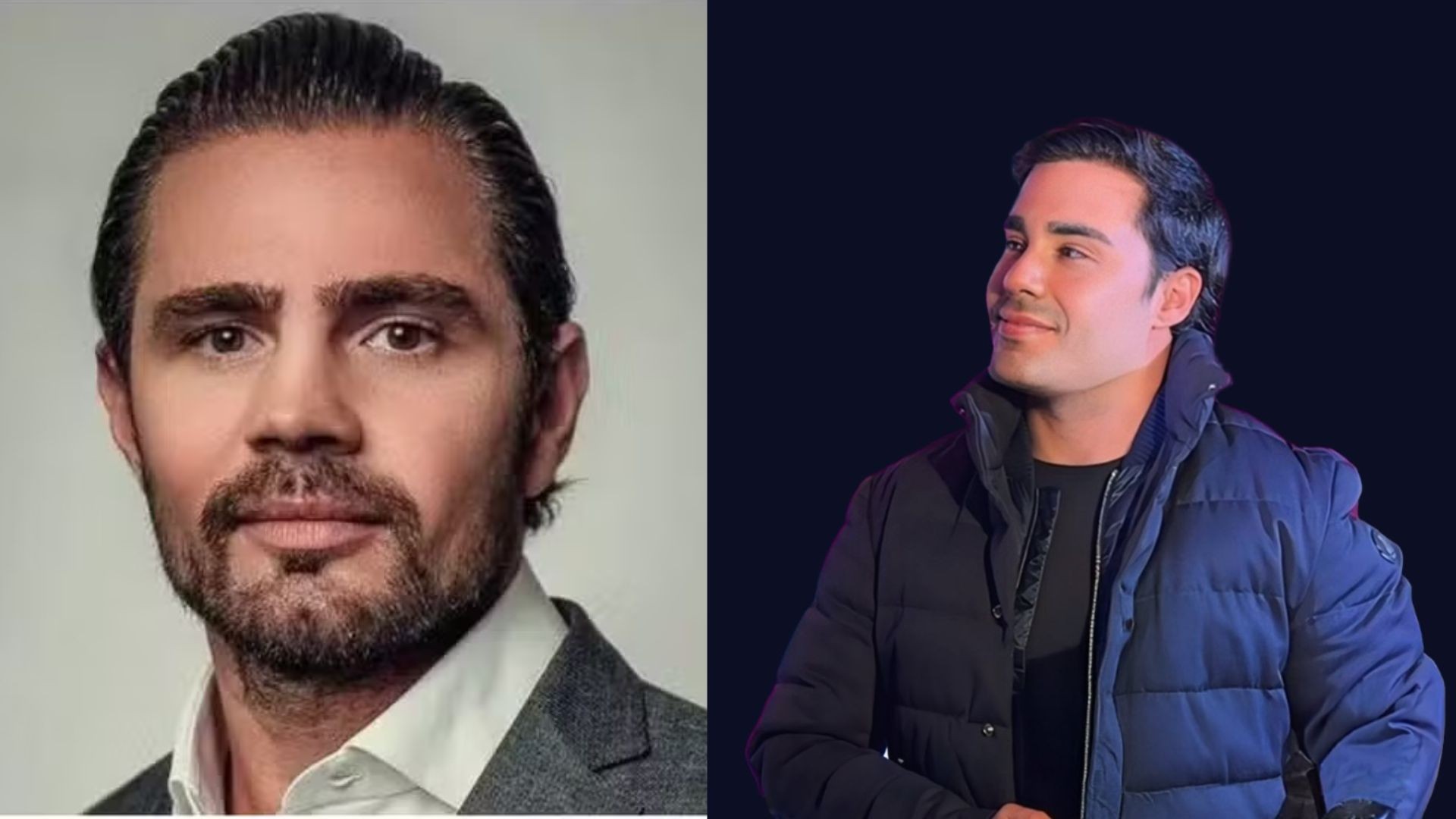
The Brazilian Federal Police (PF) have identified businessman Thiago Miranda as a key figure in a criminal organization involved in intimidating journalists and illegally obtaining confidential information. Miranda allegedly played a central role in recruiting influencers and journalists, offering them financial incentives funded by a fraudulent scheme linked to Banco Master. According to a decision by Minister André Mendonça, Miranda was responsible for making payments to these individuals, using funds obtained from the sale of a portion of the Léo Dias news portal. These funds were reportedly transferred by Super Empreendimentos e Participações, a company associated with Daniel Vorcaro. The PF previously indicated that Super Empreendimentos was used by Vorcaro's group for financial crimes and money laundering, specifically by a branch focused on threats and intimidation. This group was reportedly involved in personal threats, coercion, clandestine investigations into adversaries, and unauthorized access to government systems. The operational leadership of this unit is attributed to retired federal police officer Marilson Roseno da Silva, who reported to Felipe Mourão, known as “Sicário,” who was previously arrested and died in PF custody. The police believe Miranda and Vorcaro, along with other group members, acted to protect the organization's leadership, manipulate public opinion, and coerce or intimidate journalists, competitors, and individuals connected to the President of the Central Bank.
This investigation into Thiago Miranda and Daniel Vorcaro's alleged criminal activities highlights the complex interplay between financial schemes, information manipulation, and the weaponization of influence. The alleged use of financial resources derived from fraudulent activities to recruit individuals for intimidation and data acquisition points to a sophisticated, multi-faceted criminal enterprise. The PF's findings suggest a deliberate strategy to leverage both financial inducements and threats of exposing private information, indicating a high degree of operational planning. Examining this through a future-oriented lens, such methods, if unchecked, could pose significant risks to democratic processes and public trust by enabling the covert suppression of dissent and the distortion of public discourse. The case underscores the evolving nature of organized crime, which increasingly exploits digital infrastructure and influence networks alongside traditional financial fraud.
AI-generated to prompt reflection — not editorial opinion, not advice, not a statement of fact. How this works.