Brazilian Federal Police Indict 48 in INSS Pension Fraud Scheme
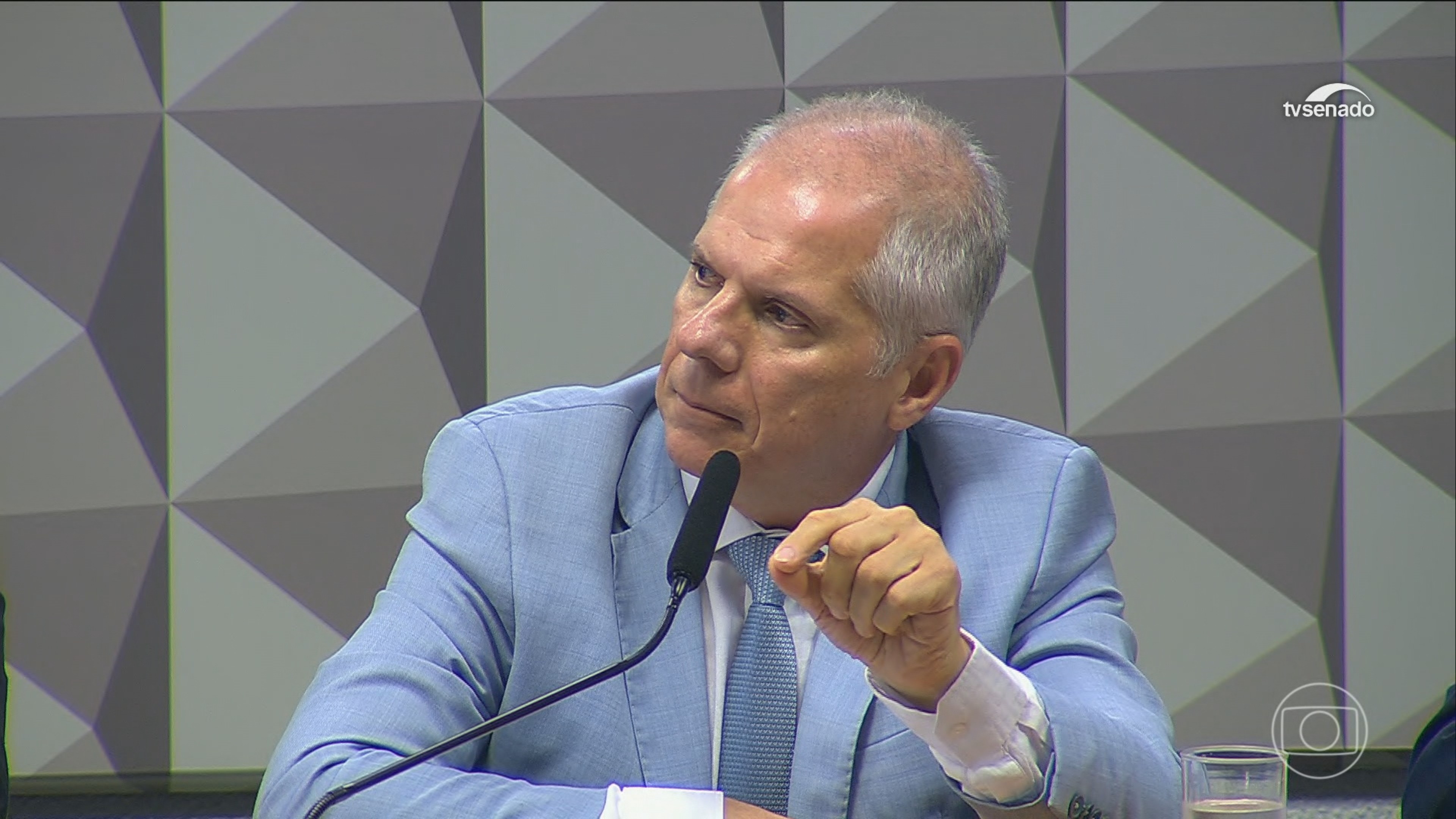
Brazil's Federal Police (PF) has concluded its first investigation into "Operação Sem Desconto," a nationwide scheme involving illicit deductions from INSS pensions and retirements. The investigation's findings have been submitted to Supreme Federal Court (STF) Minister André Mendonça, who is overseeing the case. The report will now be forwarded to the Prosecutor-General's Office (PGR) for further action, such as filing charges, requesting dismissal, or ordering new inquiries. Among the 48 individuals indicted are former INSS President Alessandro Stefanutto, former INSS Attorney-General Virgílio de Oliveira Filho, and lobbyist Antônio Carlos Camilo Antunes, known as "Careca." Carlos Roberto Ferreira Lopes, president of the National Confederation of Family Farmers and Rural Family Entrepreneurs (Conafer), was also indicted. Conafer is one of several associations under investigation for their alleged involvement in diverting INSS funds between 2019 and 2024. Investigators estimate the total fraud could reach R$6.3 billion, impacting thousands of retirees and pensioners. The scheme involved unauthorized monthly deductions from beneficiaries' accounts, falsely presenting them as membership fees for retirement associations. The investigation initially began in 2023 with the General Comptroller's Office (CGU) on an administrative level. The PF was brought in during 2024 after the CGU discovered evidence of criminal activity.
This investigation into widespread pension fraud within Brazil's INSS highlights systemic vulnerabilities in oversight and authorization processes for financial deductions. The alleged R$6.3 billion in illicit charges suggest a significant failure in safeguarding beneficiary funds and ensuring informed consent. Moving forward, strengthening digital identity verification, implementing multi-factor authorization for all financial transactions, and enhancing independent auditing of associated organizations are crucial. The scale of the operation also points to the need for improved inter-agency cooperation and robust whistleblower protections to detect and prevent such schemes earlier. Future reforms should focus on creating transparent, auditable trails for all deductions, thereby empowering beneficiaries and deterring fraudulent actors within the complex social security system.
AI-generated to prompt reflection — not editorial opinion, not advice, not a statement of fact. How this works.