Brazilian Federal Police Investigate Corruption in Murici Public Works, Seize Funds
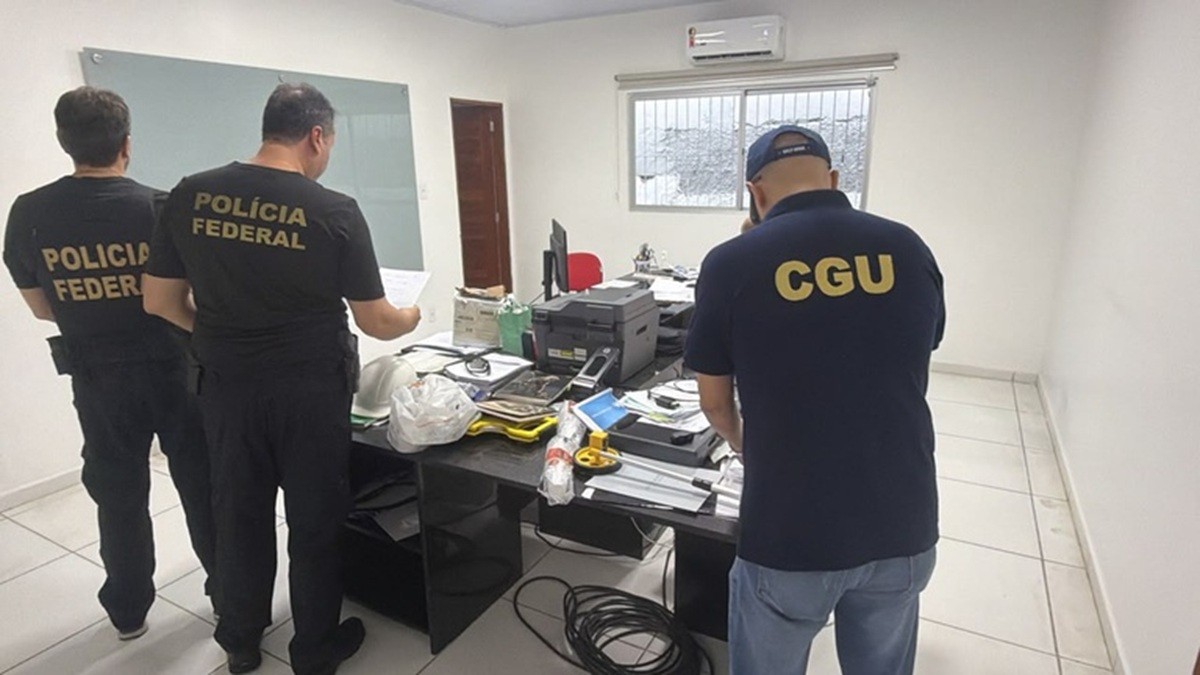
The Brazilian Federal Police launched "Operation Delivery" on Tuesday, May 28th, to investigate alleged corruption and embezzlement of federal public funds in construction projects within Murici, a municipality in Alagoas state's Zona da Mata region. The specific public works under scrutiny have not been disclosed by the authorities. During the operation, which involved six search and seizure warrants executed in Murici and Maceió, no arrests were made. However, authorities seized a total of R$ 178,048.31, comprising R$ 123,000 in Brazilian Reais, $1,697 USD, €7,345 Euros, and £550 Sterling Pounds. The investigation, initiated in November 2025 following the arrest of an individual carrying R$ 270,000, suggests that public servants may have solicited undue advantages and received kickbacks related to contracts for building and renovating schools and sports courts. The Federal Police are seeking the precautionary suspension of public servants from their duties, though their names, departments, and the total number involved remain undisclosed. The operation received support from the General Comptroller's Office in Alagoas (CGU-AL). A court has ordered the seizure of assets and funds totaling R$ 1,300,176.59.
The Federal Police's "Operation Delivery" highlights a recurring challenge in public infrastructure development: the potential for corruption and resource diversion. The investigation's initiation following a large cash seizure suggests a focus on illicit financial flows tied to public contracts. The alleged solicitation of kickbacks on construction and renovation projects, particularly for educational and recreational facilities, points to systemic vulnerabilities in oversight and procurement processes. The court-ordered asset seizure and requests for suspension of public servants indicate a move towards accountability, but the lack of disclosed names and departments underscores the need for transparency in identifying and addressing the root causes of such alleged misconduct. Future efforts may benefit from enhanced auditing mechanisms and clearer whistleblower protections to mitigate risks of financial impropriety in public spending.
AI-generated to prompt reflection — not editorial opinion, not advice, not a statement of fact. How this works.