Brazilian Federal Police Investigate Domestic Worker Exploited for 55 Years Without Pay
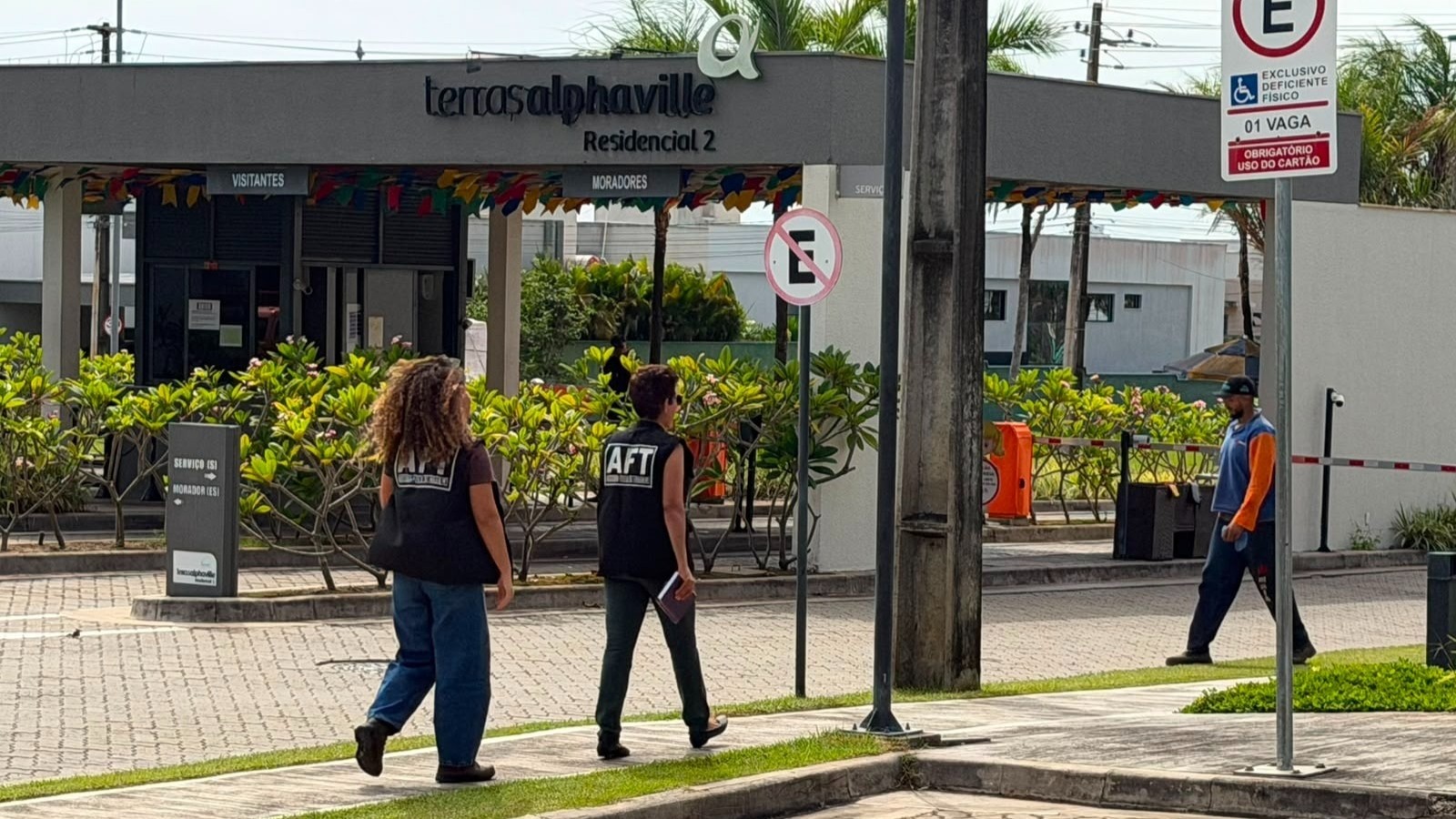
The Brazilian Federal Police (PF) are investigating a case involving a 62-year-old domestic worker who allegedly labored for 55 years without receiving any salary. The woman was discovered by the Labor Audit Fiscal (AFT) in conditions analogous to slavery at a luxury condominium in Eusébio, near Fortaleza, Ceará. Federal Police agents, alongside labor auditors and representatives from the Public Prosecutor's Office for Labor (MPT) and the Ceará Secretariat of Human Rights (Sedih), participated in the operation to rescue the worker. Initial findings indicate decades of unpaid domestic service within the same family. Protective measures have been implemented for the worker, and an agreement has been formalized with the MPT, without prejudice to further investigations into other potential responsibilities. The employer acknowledged the service provided without a formal employment contract and admitted to irregular payment. The employers have signed a Conduct Adjustment Agreement (TAC) with the MPT, committing to social protection for the worker, including regularization of social security contributions, payment of R$50,000 in severance pay, and the acquisition of a residential property for her. The employers are also required to begin paying her a salary and compensation immediately. The family has denied the accusations, stating they built a relationship of care and affection with the worker over decades. The Sedih is providing assistance to the victim to help her reintegrate into society, focusing on autonomy, literacy, and reconnecting with her family. The case originated from an anonymous tip to the federal government's human rights hotline. The estimated labor claims, including unpaid wages, benefits, and overtime, exceed R$1.5 million.
This case highlights extreme labor exploitation and raises critical questions about oversight and enforcement mechanisms designed to prevent such abuses. The extended duration of the exploitation, spanning 55 years, suggests potential systemic failures in identifying and intervening in situations of modern slavery. While the immediate rescue and subsequent agreement provide some redress, the long-term reintegration challenges for the victim, who has lived in a state of dependency for decades, require sustained and comprehensive support. The employer's denial, despite acknowledging irregular payment, points to a potential disconnect between legal obligations and perceived ethical responsibilities. Future efforts should focus on strengthening proactive detection of vulnerable workers, enhancing accountability for employers, and ensuring robust social support systems are in place to facilitate genuine independence and well-being for survivors of long-term exploitation.
AI-generated to prompt reflection — not editorial opinion, not advice, not a statement of fact. How this works.