Brazilian Federal Police Investigate False Cocaine Tip in 260-Ton Wood Shipment
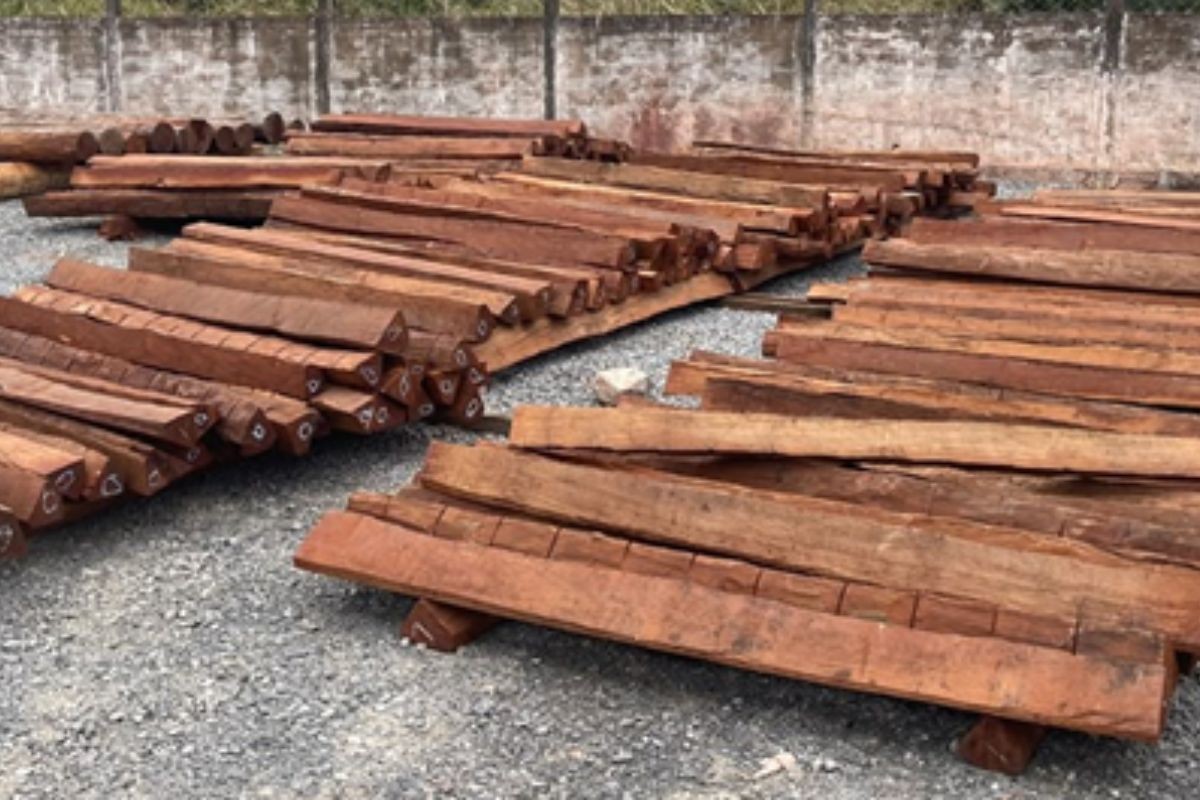
The Brazilian Federal Police (PF) have launched an inquiry into the origin of misinformation that led to the seizure of a 260-ton wood shipment. The cargo, intercepted at the Brazil-Bolivia border between Corumbá and Cáceres, was initially suspected of being impregnated with cocaine. This suspicion was reportedly based on intelligence shared by US and Bolivian authorities, including the DEA and Bolivia's FELCN. Preliminary tests conducted by Brazilian customs and Bolivian officials indicated the possible presence of cocaine hydrochloride. Consequently, Brazilian customs detained the shipment on June 21st, initiating an investigation. However, on July 22nd, the Federal Police announced that laboratory analysis of all samples returned negative for cocaine and other forensic substances. The current investigation aims to clarify how the erroneous information surfaced and led to the cargo's detention and the involvement of enforcement agencies. The PF is not investigating false reporting but rather the communication chain that triggered the alert. The wood shipment, part of Operation Timber Shield, remains impounded pending the completion of further forensic reports from the National Criminalistics Institute. The Federal Public Prosecutor's Office and the Federal Revenue Service have been notified of the inquiry. The owner may seek reimbursement for storage costs, subject to administrative review and proof of loss.
This incident highlights the complexities and potential vulnerabilities in international intelligence sharing and cross-border cargo inspections. The initial reliance on shared intelligence and preliminary field tests, which later proved inaccurate, underscores the critical need for robust verification protocols before significant operational actions are taken. The investigation into the source of the misinformation is crucial for understanding systemic weaknesses, whether they stem from misinterpretation, deliberate disinformation, or technical errors in data transmission or analysis by any of the involved agencies. Moving forward, enhancing data validation mechanisms and ensuring clear communication channels between international partners could mitigate the risk of similar disruptions, which carry substantial economic and logistical costs, and could potentially erode trust in legitimate trade facilitation efforts.
AI-generated to prompt reflection — not editorial opinion, not advice, not a statement of fact. How this works.