Brazilian Federal Police Investigate Illegal Quarrying of Over 34 Tons of Limestone in Mato Grosso
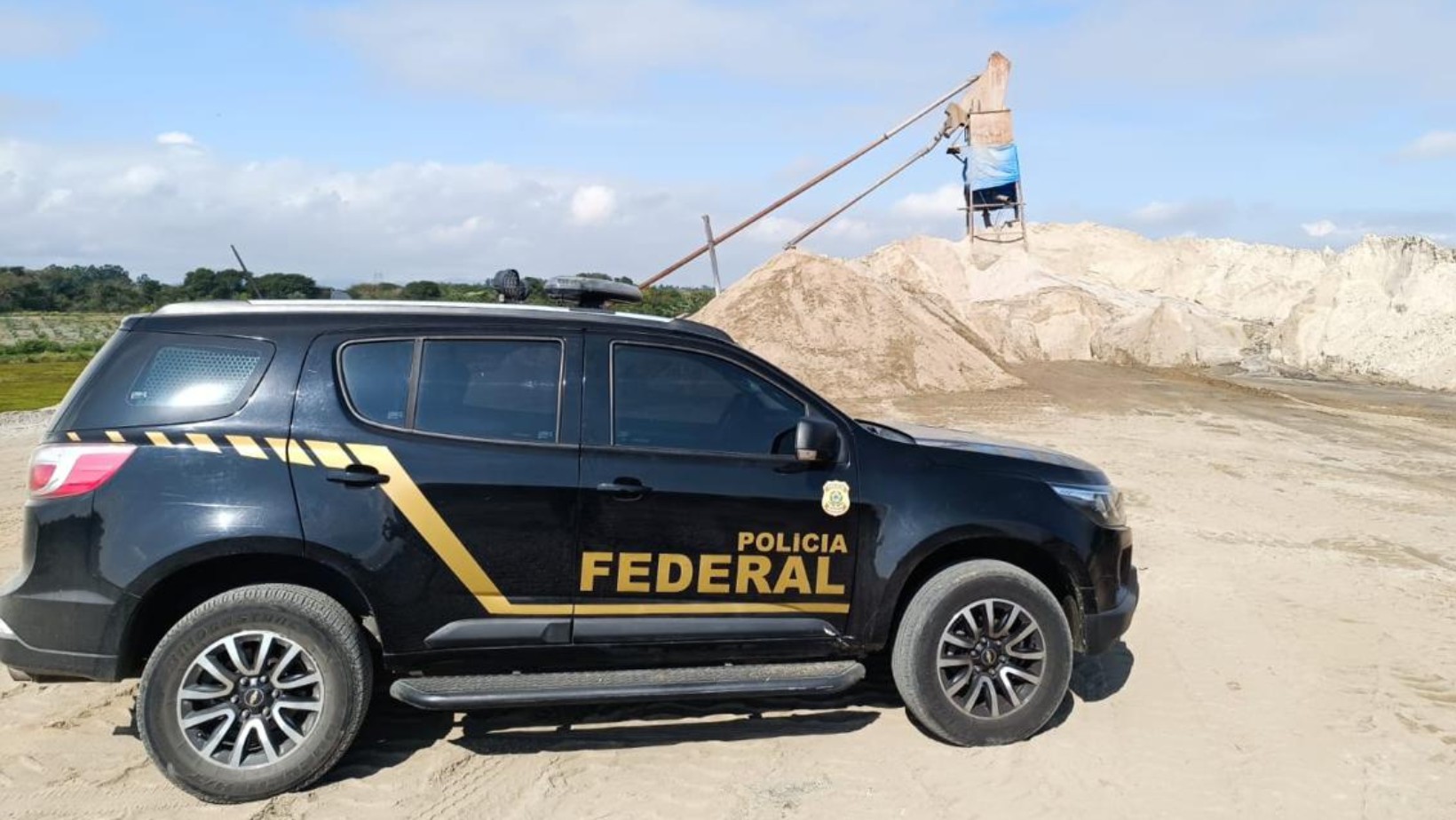
The Brazilian Federal Police (PF) have launched an operation to investigate an illegal mineral extraction scheme in Rosário Oeste, Mato Grosso, located 133 km from Cuiabá. On Tuesday, April 4th, three search and seizure warrants were executed in Cuiabá as part of this operation. Preliminary findings suggest that mining activities were conducted outside the boundaries permitted by mining titles and environmental licenses. An initial assessment indicates that over 34 tons of limestone were extracted unlawfully, resulting in an estimated loss of more than R$3 million to the federal government. The investigation commenced after mineral exploitation was detected in an unauthorized area. Subsequent administrative inspections, geospatial analyses, and a PF forensic examination confirmed evidence of these irregular activities. The executed judicial orders aim to seize documents, electronic equipment, accounting records, and other materials that could aid the ongoing investigation. The operation seeks to determine individual involvement, quantify profits from the illegal extraction, ascertain the duration of the irregularities, and identify any other parties involved or benefiting from the scheme.
This operation by the Federal Police highlights a potential systemic issue in the oversight of mineral resource extraction, particularly concerning unauthorized activities and their environmental and financial ramifications. The investigation's focus on identifying all parties involved and quantifying illicit profits suggests a need for more robust monitoring mechanisms to prevent resource depletion and tax evasion. Examining the incentive structures that drive such illegal operations, potentially linked to market demand or regulatory loopholes, is crucial for developing effective countermeasures. Looking ahead, advancements in geospatial technology and data analytics could offer more proactive ways to detect and deter unauthorized extraction, aligning with the increasing importance of sustainable resource management in the digital age.
AI-generated to prompt reflection — not editorial opinion, not advice, not a statement of fact. How this works.
