Brazilian Federal Police Probe Public Officials' Ties to Rio Criminal Organizations
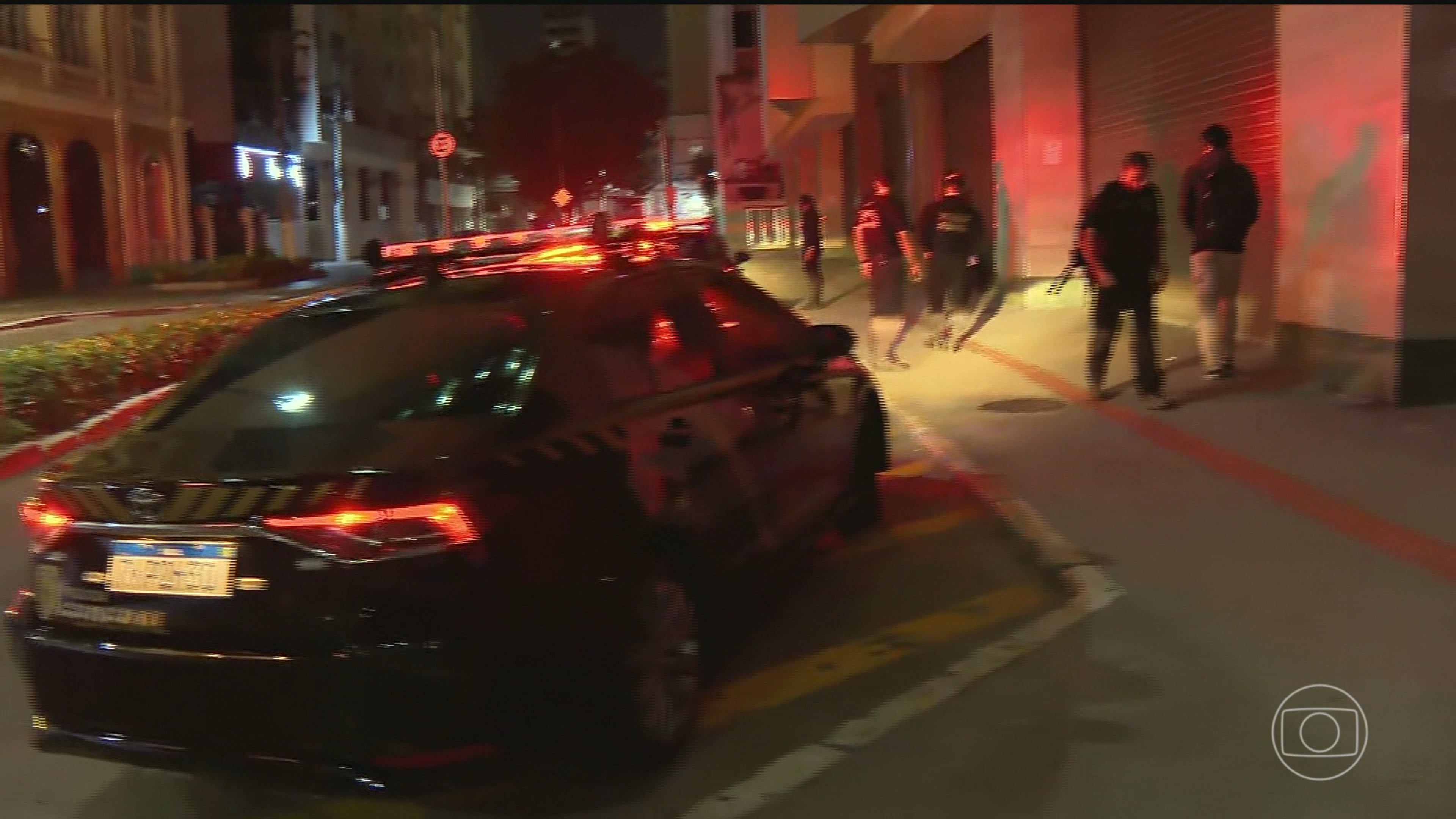
Brazil's Federal Police launched an operation on Tuesday, November 7th, in Rio de Janeiro targeting a criminal group suspected of using gas stations for money laundering. The investigation, authorized by Supreme Federal Court Minister Alexandre de Moraes, stems from a 2025 directive for the Federal Police to investigate potential links between public agents and criminal factions in Rio. The operation involved executing 19 search and seizure warrants across Rio de Janeiro, Niterói, São Gonçalo, Itaboraí, and Resende. Financial intelligence reports from COAF revealed financial transfers exceeding R$7.5 billion over the past six years between companies and individuals, suggesting the use of gas stations to disguise illegal fund origins. Among the targets is Márcio Canella, former mayor of Belford Roxo and a current pre-candidate for the Senate. Canella was arrested after police found a restricted-use rifle in a vehicle parked outside his home, which he allegedly used for pre-campaign activities. He claimed the rifle belonged to a military police officer providing his security, a claim he could not substantiate. The Federal Police consider Canella the political arm of the group. The operation also targeted delegate Marcus Amim, former State Secretary of Civil Police, who now owns convenience stores at gas stations. Two civil police officers and their wives were also searched, with one officer, Pablo Jukia Felix Ferreira, a gas station owner, having money, weapons, and watches seized from his home. Another suspect is former military police officer Juraci Alves Prudêncio, previously implicated in a 2008 militia CPI report and convicted of homicide and criminal organization. The operation resulted in the seizure of R$800,000 in cash, firearms, and 11 luxury cars, with assets and company activities suspended by court order.
This operation highlights the persistent challenge of illicit financial flows and the infiltration of organized crime within public and private sectors in Brazil. The investigation's focus on gas stations as a money-laundering mechanism points to the adaptability of criminal enterprises in leveraging legitimate businesses for illegal gains. The involvement of high-profile figures, including a former mayor and a police delegate, underscores the complex interplay between political influence and criminal networks. Future efforts may need to strengthen regulatory oversight of financial transactions and enhance inter-agency cooperation to disrupt these sophisticated schemes, considering the evolving tactics of financial crime in the digital age.
AI-generated to prompt reflection — not editorial opinion, not advice, not a statement of fact. How this works.