Brazilian Federal Police Seize 40 Cubic Meters of Illegal Timber on BR-230 Highway
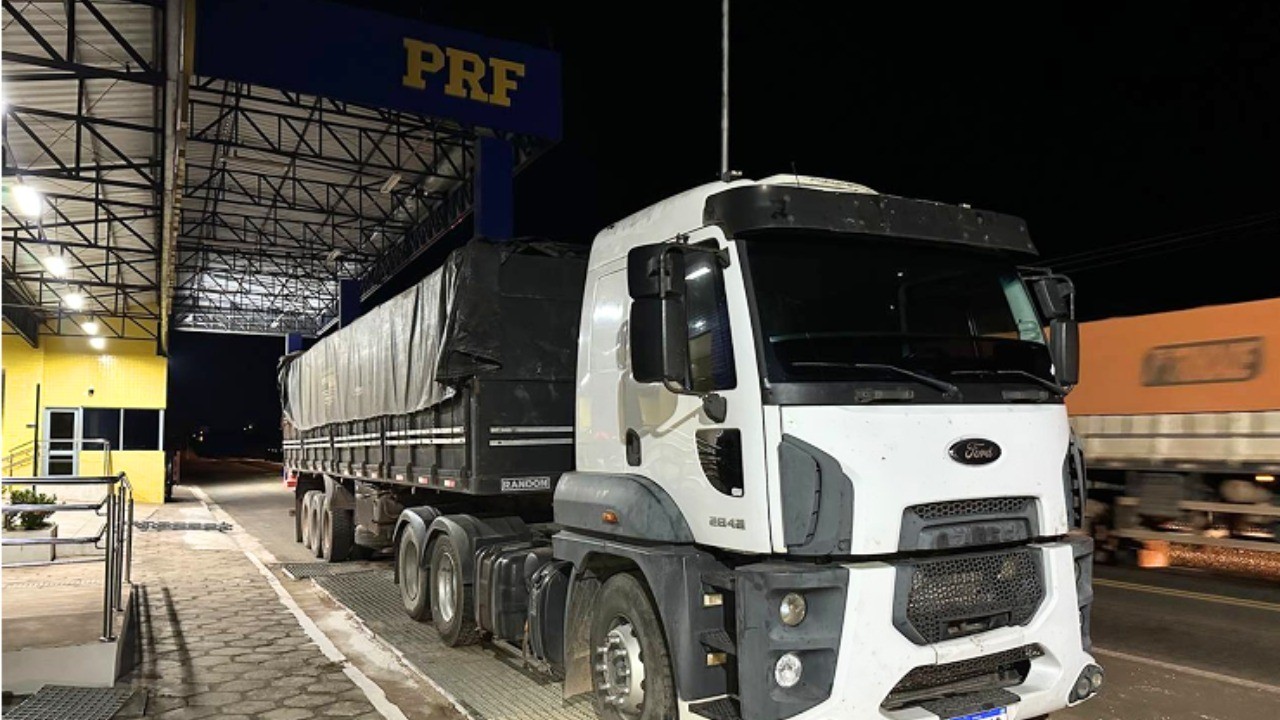
Federal Highway Police (PRF) apprehended approximately 40 cubic meters of native timber being transported illegally early Friday morning, May 10th. The seizure occurred at kilometer 404 of the BR-230 highway in Balsas, Maranhão. The driver presented an environmental license that was deemed invalid due to discrepancies found in the documentation and the actual cargo. The truck, carrying sawn timber of various species including cupiúba, itaúba, maracatiara, jatobá, pequiá, and casca-seca, was stopped around 3:20 AM. The timber originated from Breves, Pará, and was destined for Iaçu, Bahia. During an inspection at the PRF Operational Unit in Balsas, officers discovered that the license plate listed on the Inter-state Forest Guide (GF3i) did not match the vehicle being inspected. Additionally, wooden doors were found that were not declared on the invoice provided by the driver. These inconsistencies invalidated the environmental license for this specific transport. The PRF has classified the incident as transporting forest products without a valid license. The driver signed a Term of Conduct and agreed to appear in court when summoned. The truck, its trailer, and all the timber have been seized and are held at the PRF facility in Balsas, awaiting administrative action from environmental agencies. The case file will be forwarded to the Public Prosecutor's Office, the Brazilian Institute of Environment and Renewable Natural Resources (Ibama), and the State Secretariat of Environment.
This incident highlights ongoing challenges in enforcing environmental regulations and combating illegal logging across Brazil's vast territory. The seizure underscores the critical role of inter-agency cooperation between the Federal Highway Police and environmental bodies like Ibama in intercepting illicit timber shipments. The discrepancies found, such as mismatched license plates and undeclared items, suggest potential systemic weaknesses in documentation and oversight, which could be exploited by those involved in illegal activities. Moving forward, strengthening real-time tracking and verification mechanisms for forest products, alongside enhanced data integration between transport and environmental agencies, could improve compliance and deter future violations. The driver's involvement, while subject to legal process, points to the need for broader educational initiatives targeting those in the logistics chain regarding environmental laws and penalties.
AI-generated to prompt reflection — not editorial opinion, not advice, not a statement of fact. How this works.