Brazilian Federal Police Seize 800kg of Unrefrigerated Beef on Highway
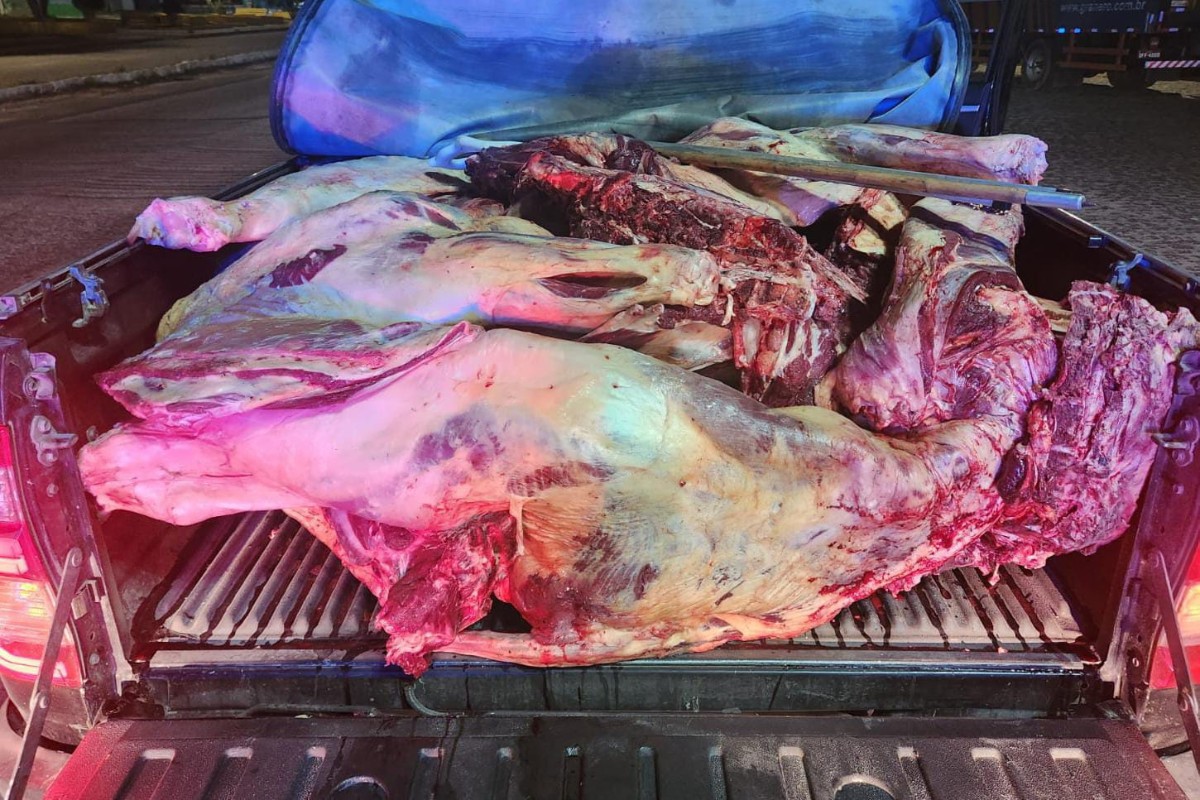
Federal Highway Police (PRF) in Garanhuns, Pernambuco, Brazil, seized approximately 800 kilograms of beef transported without refrigeration on Tuesday night, May 14th. The meat was discovered in the bed of a pickup truck during a PRF patrol on BR-423. The driver stated the beef was purchased in Caetés and intended for resale in Recife, a journey exceeding 200 kilometers. The PRF officers stopped the vehicle after observing it using a detour to access the highway. Upon inspection, the meat was found to be inadequately packaged, lacking any cooling system, and not meeting basic hygiene standards. Furthermore, the required documentation from control agencies was absent. The driver informed the police that the meat originated from three cattle that were allegedly slaughtered after sustaining injuries during transport. The pickup truck and the entire load were impounded. The Pernambuco Agency for Agricultural Defense and Inspection (Adagro) was notified to implement appropriate administrative and sanitary measures. The PRF indicated that this incident could be classified as a crime against public health and a crime against consumer relations, and the case will proceed through the legal system.
This incident highlights critical gaps in the cold chain and food safety regulations for agricultural products in Brazil. The seizure of 800 kg of unrefrigerated beef underscores the potential public health risks associated with improper food handling and transportation, particularly concerning the proliferation of bacteria and spoilage. The driver's explanation regarding the origin of the meat suggests possible issues with livestock welfare and emergency slaughter protocols. The involvement of Adagro and the potential classification of the event as crimes against public health and consumer relations indicate a regulatory framework intended to prevent such occurrences. Moving forward, enhanced oversight and enforcement mechanisms, potentially leveraging technology for real-time monitoring of transport conditions, could mitigate future risks and ensure compliance with food safety standards across the extensive supply chains in the region.
AI-generated to prompt reflection — not editorial opinion, not advice, not a statement of fact. How this works.