Brazilian Federal Police Seize R$5,000 in Counterfeit Bills, Arrest One Suspect
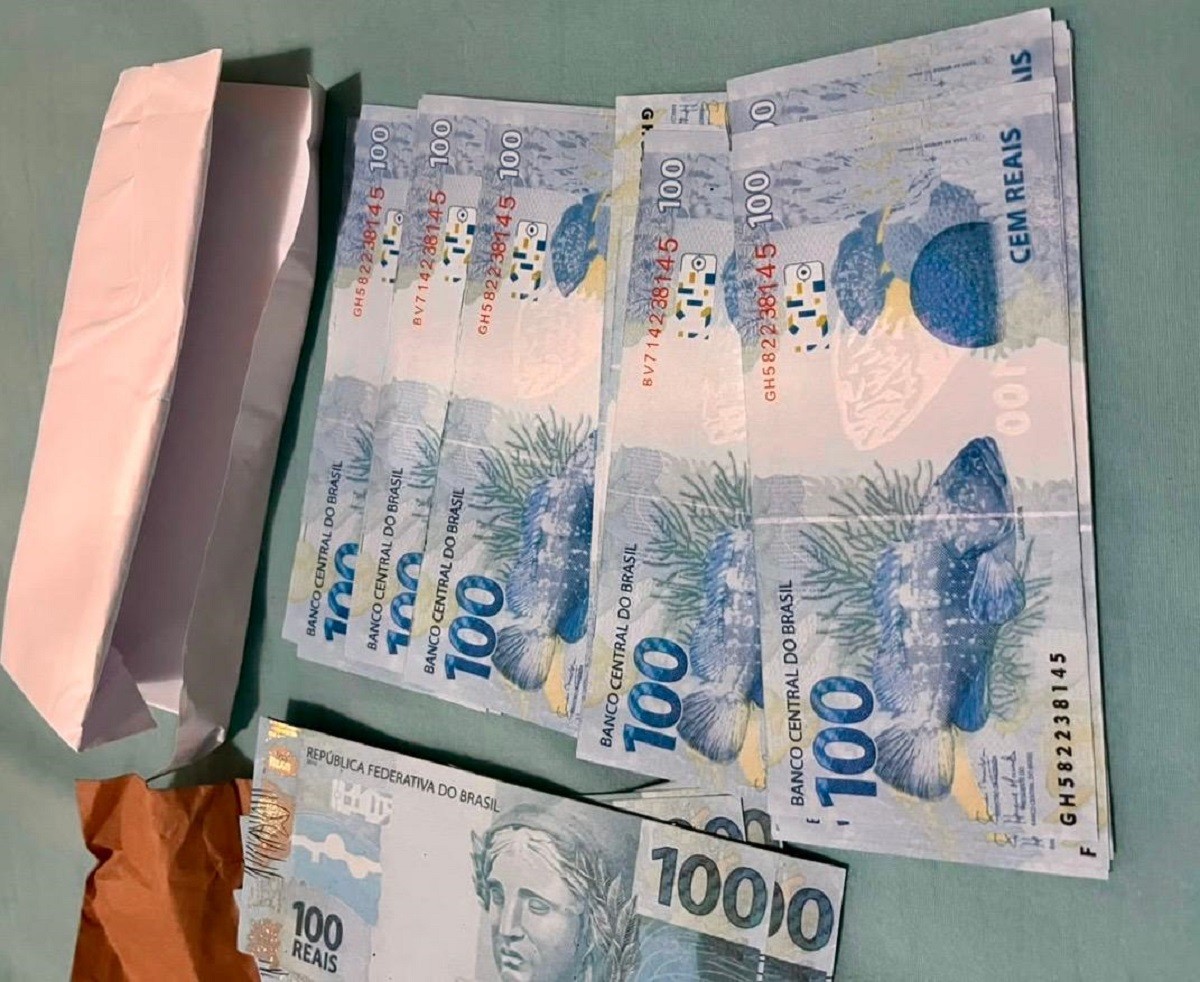
The Brazilian Federal Police (PF) conducted an operation on Friday, May 17th, targeting the distribution and circulation of counterfeit money in the Zona da Mata and Campo das Vertentes regions. During the operation, electronic equipment was seized in Muriaé, and approximately R$5,000 in fake banknotes were discovered in Barbacena, leading to the arrest of one individual. The investigation was initiated based on intelligence regarding the distribution of counterfeit currency through digital platforms and postal services. Recent weeks have seen multiple seizures in cities like Ubá and Juiz de Fora. The PF aims to uncover the origin of the counterfeit notes, the methods employed by those involved, and identify any other potential participants in the criminal scheme. The suspect faces charges for the crime of counterfeiting currency, which carries a penalty of 3 to 12 years imprisonment and a fine under the Brazilian Penal Code. Investigations are ongoing, with the police seeking to understand the full scope of the operation. The Banco Central do Brasil provides guidance on identifying counterfeit currency through various physical and graphic elements of banknotes.
This operation highlights the persistent challenge of counterfeit currency, exacerbated by digital distribution channels and postal services. The Federal Police's focus on tracing the origin and network of counterfeiters, rather than just seizure, indicates a strategic shift towards disrupting supply chains. The legal framework provides significant penalties, but the ongoing nature of investigations suggests the complexity of dismantling these operations. Looking ahead, the increasing digitization of transactions could, paradoxically, create new avenues for sophisticated counterfeiting schemes while simultaneously offering tools for enhanced security features and traceability, presenting a continuous arms race between illicit actors and financial authorities.
AI-generated to prompt reflection — not editorial opinion, not advice, not a statement of fact. How this works.