Brazilian Federal Police Seize Two Suspect Pickup Trucks in Santarém Fraud Operation
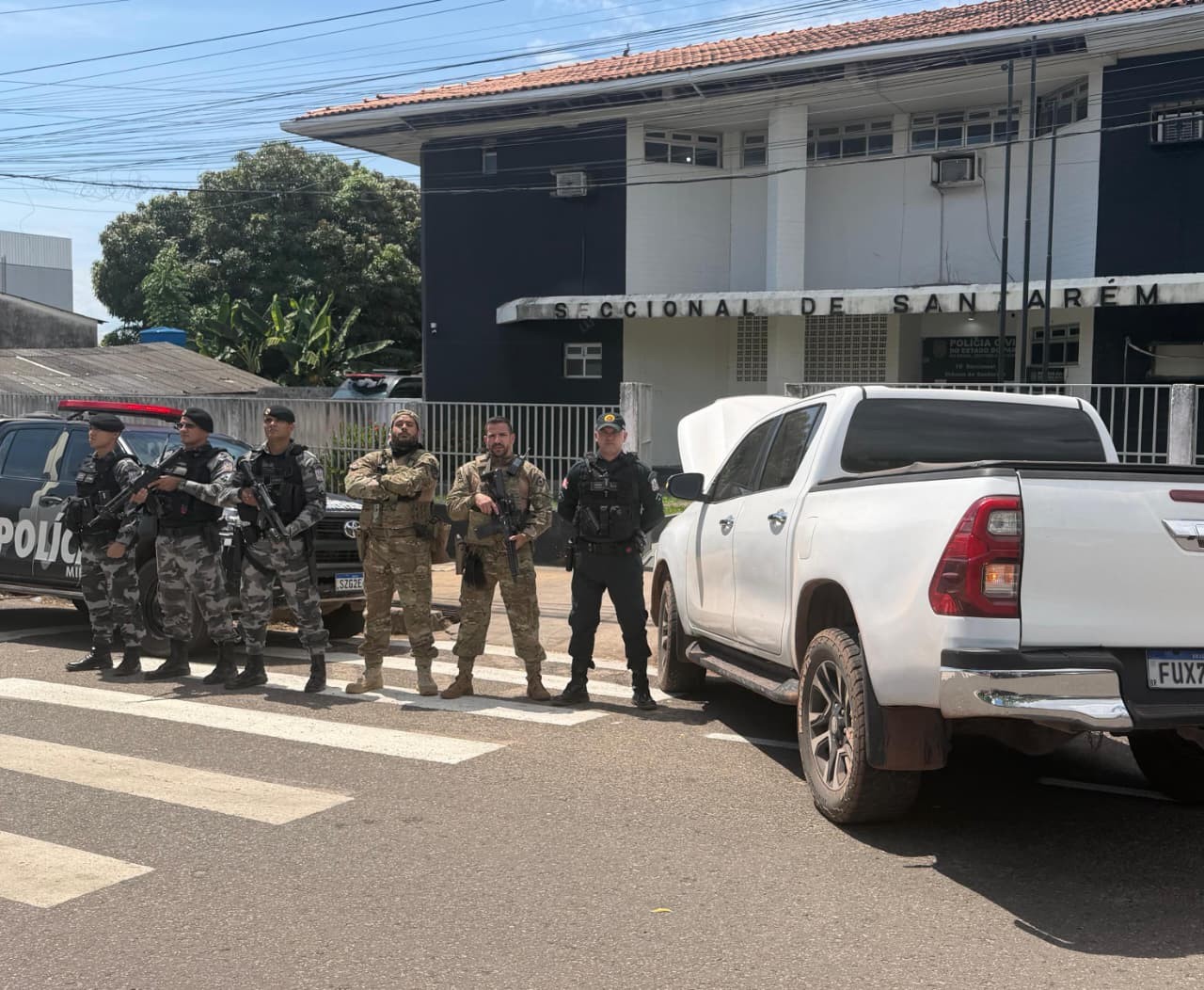
During a coordinated operation in Santarém, Pará, the Federal Highway Police (PRF), along with the Military and Civil Police, apprehended two pickup trucks exhibiting signs of tampering. The operation, named "Operação de Enfrentamento às Fraudes Veiculares," aims to combat vehicular fraud, including the use of stolen vehicles with altered identification and cloned license plates. These practices are common methods for criminals to reintegrate stolen vehicles into circulation, making them difficult for law enforcement to detect. The PRF's goal is to remove these fraudulent vehicles from the roads and identify those linked to theft and robbery. The first truck, a Toyota Hilux, was stopped around 10 AM, revealing irregularities in its identification markers. It was sent to the Civil Police for further forensic examination. Later, around 2 PM, a second vehicle, a Toyota Hilux SW4, was seized. Technical analysis confirmed it was stolen on November 11, 2023, in Redenção, southern Pará. Both vehicles and their drivers were handed over to the Civil Police for ongoing investigations and criminal proceedings. The "Operação OTEVEIC" targets crimes such as altering vehicle identification, cloning plates, and receiving stolen goods, which fuel the illegal vehicle market and harm both legitimate owners and unsuspecting buyers. The integrated effort between the three police forces is expected to continue with further checkpoints across the region.
This operation highlights the persistent challenge of vehicle theft and fraud, which often involves sophisticated methods like VIN alteration and license plate cloning to disguise stolen property. The collaborative approach among different police branches demonstrates a systemic effort to tackle this issue. From a forward-looking perspective, the increasing reliance on digital identification and blockchain technology for vehicle provenance could offer more robust solutions against such tampering in the future. However, the effectiveness of these measures will depend on their accessibility and the ability to integrate them across diverse regulatory environments, ensuring that technological advancements do not create new vulnerabilities or exacerbate existing inequalities in access to secure transportation.
AI-generated to prompt reflection — not editorial opinion, not advice, not a statement of fact. How this works.