Brazilian Federal Police targets businessman linked to ex-governor in corruption probe
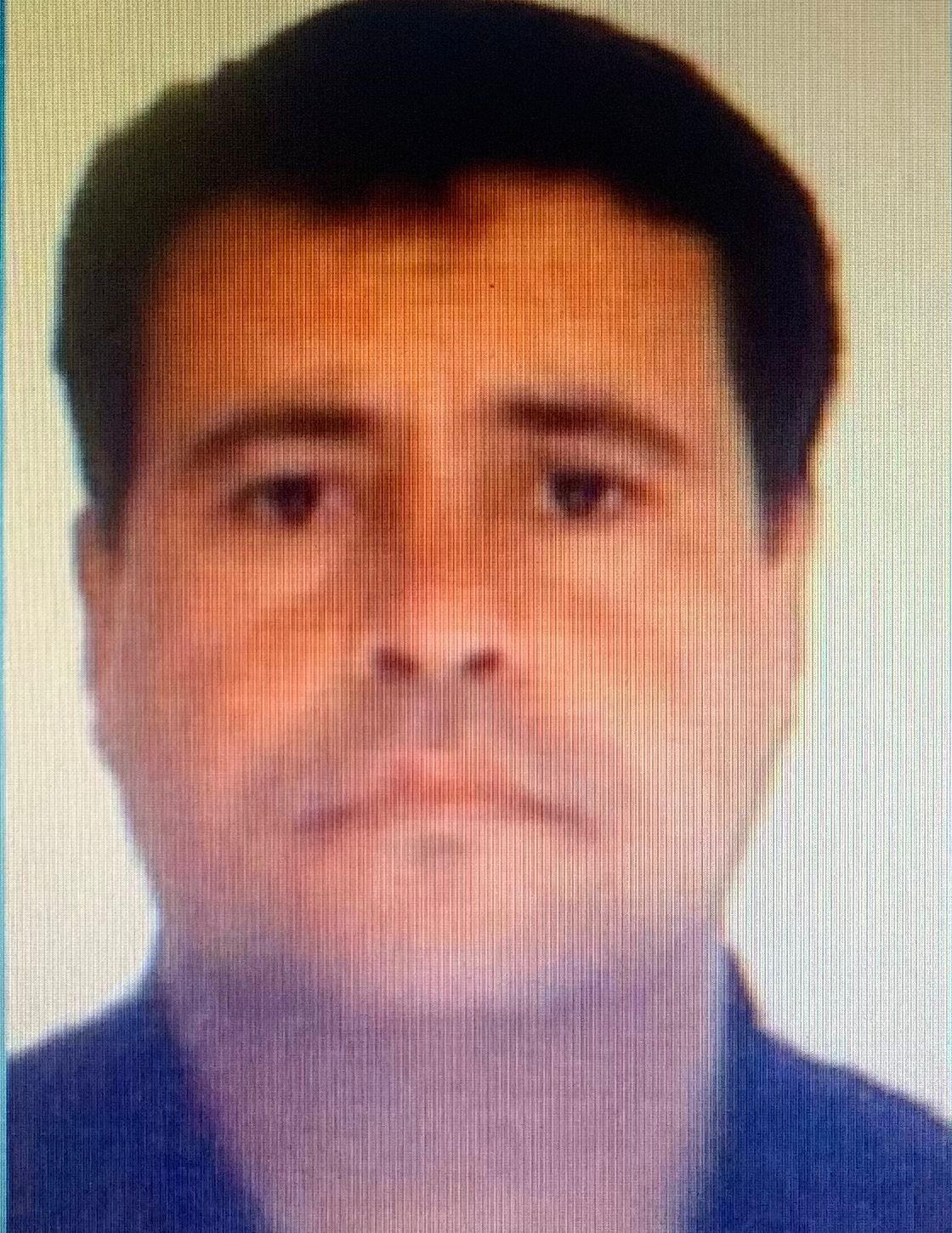
The Federal Police of Brazil conducted searches and seizures on Thursday, October 2nd, as part of the fifth phase of "Operação Unha e Carne" (Operation Nail and Flesh). The operation, ordered by Supreme Court Justice Alexandre de Moraes, targeted businessman Fernando Trabach Gomes, who owns ten out of twelve gas stations that fueled the campaign fleet of former governor Cláudio Castro in 2022. Trabach's campaign expenditures for diesel amounted to R$ 478,000 for approximately 70,000 liters, with payments made in twelve installments of R$ 39,900 each. Investigations are examining Trabach's connections to ex-governor Cláudio Castro and former Rio de Janeiro Legislative Assembly (Alerj) president Rodrigo Bacellar. Following Castro's inauguration, companies linked to Trabach began securing contracts with the state government. Trabach had previously been investigated by the Public Prosecutor's Office for alleged involvement in a criminal organization, with Rodrigo Bacellar serving as his defense attorney at the time. The current phase of the operation also involves former state deputy Marco Antônio Cabral and Bernardo Coutinho, nephew of contraventor Adilson Oliveira Coutinho Filho, known as Adilsinho. The probe aims to investigate a suspected money laundering scheme led by Adilsinho, with potential links to members of Rio de Janeiro's Executive and Legislative branches, as well as alleged payments from illegal gambling and cigarette trafficking to public officials and possible related electoral donations. Justice Moraes ordered the seizure of assets up to R$ 22 million and the transfer of Adilsinho to a federal prison. Previous investigations, like "Operação Fumus" in June 2021, uncovered spreadsheets indicating potential illicit payments and money laundering activities linked to political figures.
This investigation into alleged money laundering and illicit payments in Rio de Janeiro highlights systemic vulnerabilities within political financing and governance structures. The operation's focus on fuel supply contracts during an election campaign and subsequent state contracts suggests potential incentive structures that could lead to undue influence or corruption. Examining the interplay between private business interests, political campaigns, and state procurement processes is crucial for understanding how public trust can be eroded. The involvement of individuals previously investigated or linked to organized crime raises questions about the effectiveness of existing regulatory frameworks in preventing the infiltration of illicit funds into legitimate economic and political spheres. Future reforms might consider enhanced transparency in campaign finance, stricter oversight of state contracts, and more robust mechanisms for investigating and prosecuting financial crimes to safeguard democratic integrity.
AI-generated to prompt reflection — not editorial opinion, not advice, not a statement of fact. How this works.