Brazilian Federal Prosecutor's Office Investigates SC Governor Over Indigenous Dam Dispute
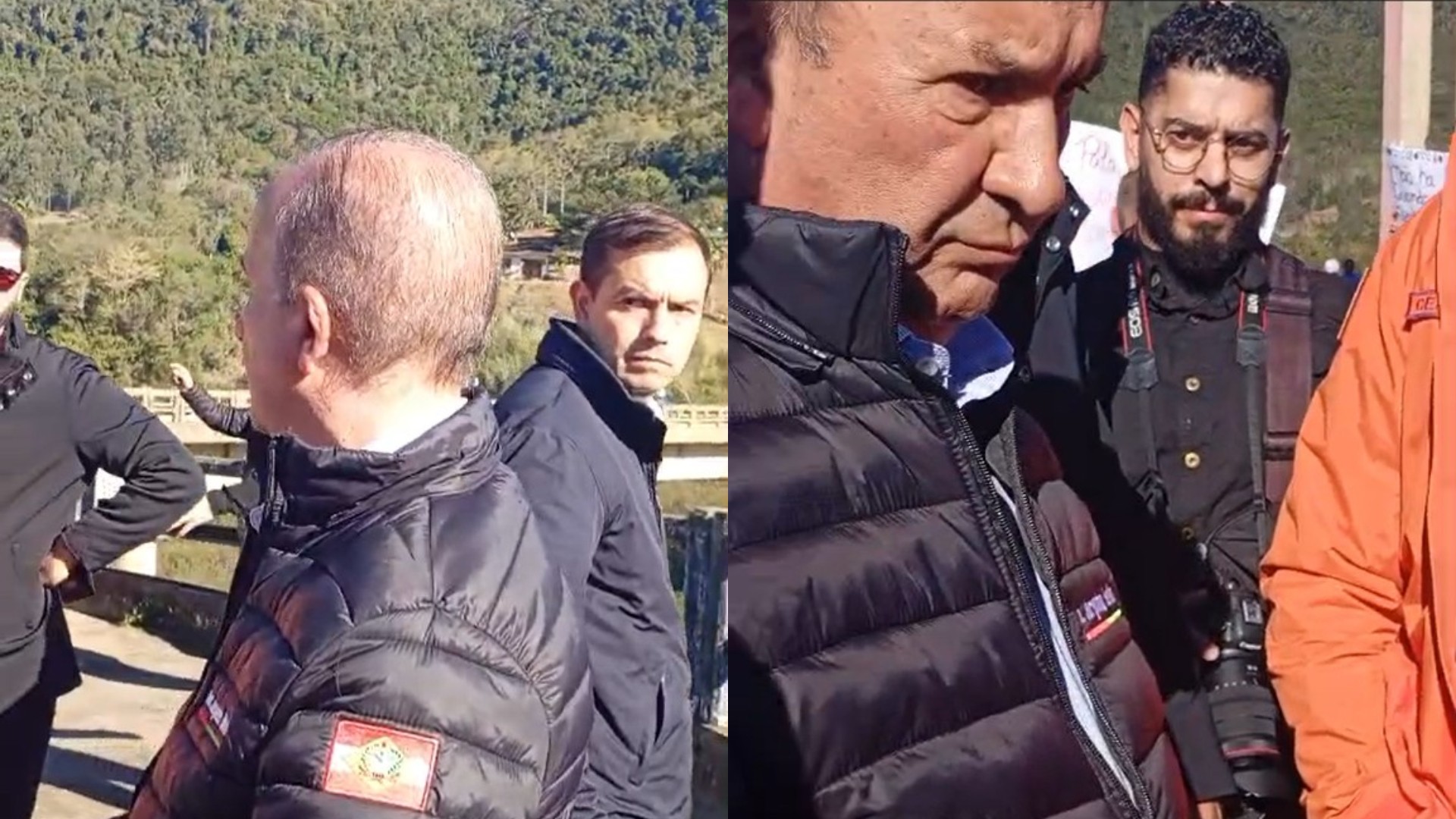
The Federal Public Prosecutor's Office (MPF) has initiated an investigation into allegations of offensive language used by Santa Catarina Governor Jorginho Mello against indigenous protesters. The incident occurred on July 8 during the governor's visit to a dam undergoing renovation in José Boiteux, located within the traditional territory of the Xokleng people. During a confrontation, Governor Mello reportedly directed a vulgar insult at a demonstrator. The Santa Catarina state government stated that the indigenous group protested with various demands, some related to federal responsibilities. The National Council for Human Rights has formally requested the Attorney General's Office to investigate the incident, emphasizing that political expression does not exempt public officials from accountability for humiliating or discriminating actions. Video footage shows Mello interrupting an interview to insult protesters and later responding aggressively to a woman who identified herself as a chief. The dam itself has been a source of controversy since the 1990s, with ongoing disputes over compensation for indigenous communities affected by its construction and operation. The state government claims it is fulfilling a decades-old judicial agreement by investing approximately R$ 34 million in infrastructure improvements, including housing, roads, and a school, within the Ibirama-La Klãnõ Indigenous Land, despite the ongoing protests.
This situation highlights the complex intersection of infrastructure development, historical land rights, and intergovernmental responsibilities in Brazil. The governor's reported conduct, if substantiated, raises questions about public discourse and respect for indigenous communities exercising their rights. The MPF's investigation and the CNDH's involvement signal a public accountability mechanism for elected officials. The long-standing dam dispute, involving federal and state governments, underscores systemic challenges in resolving historical grievances and ensuring equitable development, particularly concerning indigenous populations. Future resolutions will likely depend on transparent negotiation, adherence to judicial mandates, and a commitment to de-escalating tensions through respectful dialogue, rather than confrontational rhetoric.
AI-generated to prompt reflection — not editorial opinion, not advice, not a statement of fact. How this works.