Brazilian Federal Prosecutor's Office Orders Alcoa Dredging Halt in Amazon River
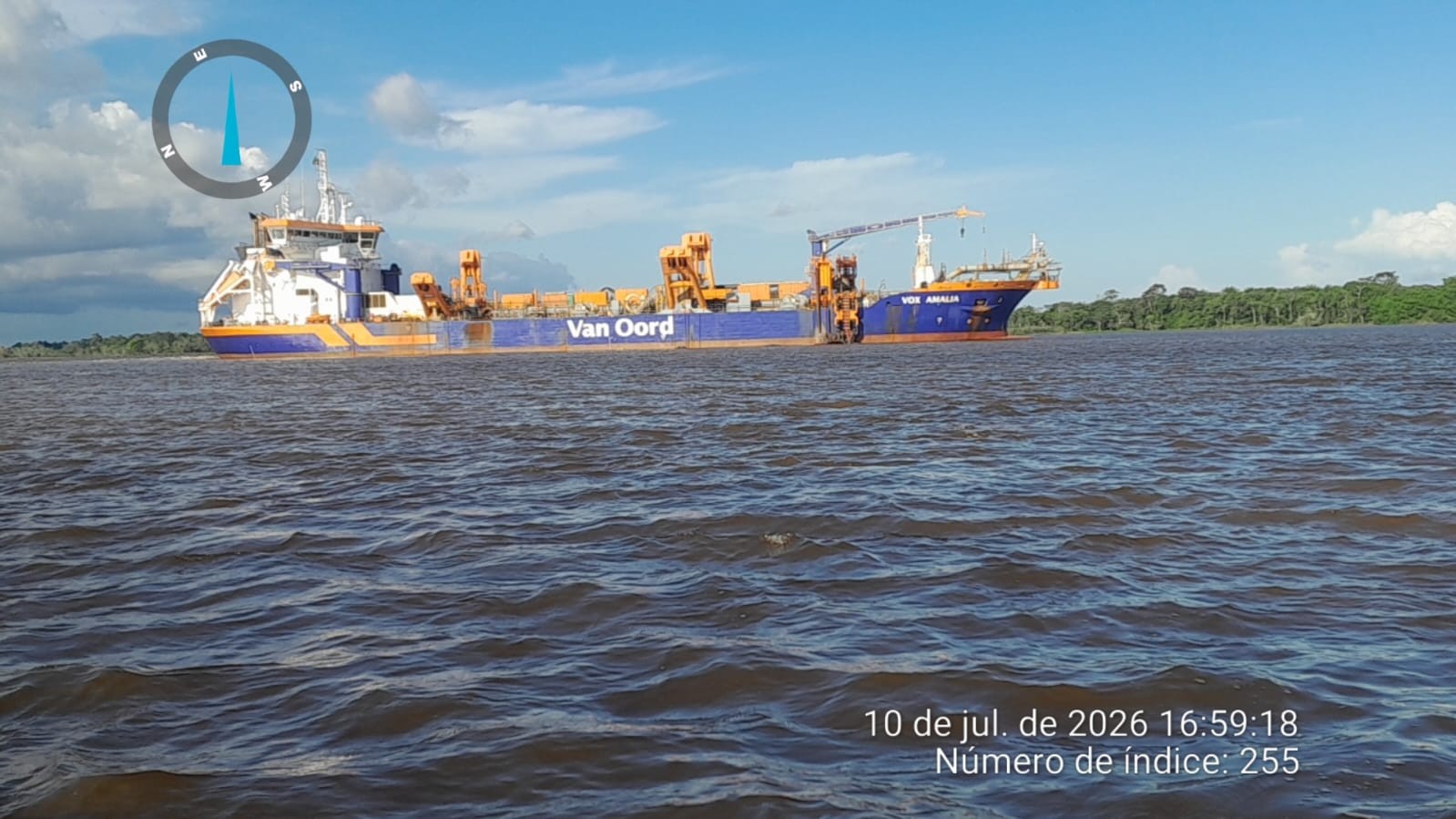
The Federal Public Prosecutor's Office (MPF) has issued a 24-hour ultimatum to the Pará State Secretariat for Environment, Climate, and Sustainability (Semas) and Alcoa World Alumina Brasil to suspend dredging operations in the Amazon River near Juruti, Pará. The MPF demands that Semas revoke the environmental license granted to Alcoa and that the mining company immediately cease its activities. This action follows the discovery of irregularities in the licensing process and evidence of socio-environmental damage to traditional communities affected by the dredging. The MPF contends that the simplified procedures used for authorization were inadequate for the project's scale, bypassing crucial Environmental Impact Studies (EIA) and Environmental Impact Reports (Rima). Representatives from 13 riverside communities reported that Alcoa commenced dredging on July 10th without community presence, despite prior agreements, and expressed strong opposition due to insufficient environmental assessments. The MPF highlighted that the authorization permits the removal of up to 7 million cubic meters of sediment this year, noting Alcoa's explanation that the dredging serves logistical and commercial strategies rather than navigation needs. Concerns were also raised about the use of the 'overflow' technique, which increases water turbidity and sediment dispersion during sensitive ecological periods for turtles and fish migration. Reported impacts include siltation, blockage of waterways, water contamination, parasitic infections in fish, and agricultural damage from sediment deposition, affecting local fishing livelihoods. Despite a previous MPF recommendation in April to annul the licenses, Semas reportedly maintained the authorization, leading to the current stringent order with potential civil, administrative, and criminal liabilities for Semas and Alcoa officials. The MPF also mandates that future dredging proposals undergo comprehensive environmental studies, including climate impact assessments, and requires Alcoa to preserve all operational documentation for potential environmental damage accountability.
This situation highlights a critical tension between industrial development and environmental protection within Brazil's regulatory framework. The MPF's intervention suggests a potential systemic failure in Semas's oversight, particularly concerning the adequacy of simplified licensing procedures for large-scale projects and the consideration of cumulative socio-environmental impacts. The use of the 'overflow' technique during sensitive ecological periods raises questions about the alignment of operational practices with environmental conservation goals. Moving forward, the incident underscores the need for robust, independent environmental impact assessments that fully incorporate community perspectives and account for long-term ecological consequences, especially in ecologically vital regions like the Amazon. Future licensing processes will likely face increased scrutiny, demanding greater transparency and adherence to best practices to balance economic interests with biodiversity and community well-being.
AI-generated to prompt reflection — not editorial opinion, not advice, not a statement of fact. How this works.