Brazilian Federal Public Prosecutor's Office Demands Urgent Aid for Maxakali Indigenous Community
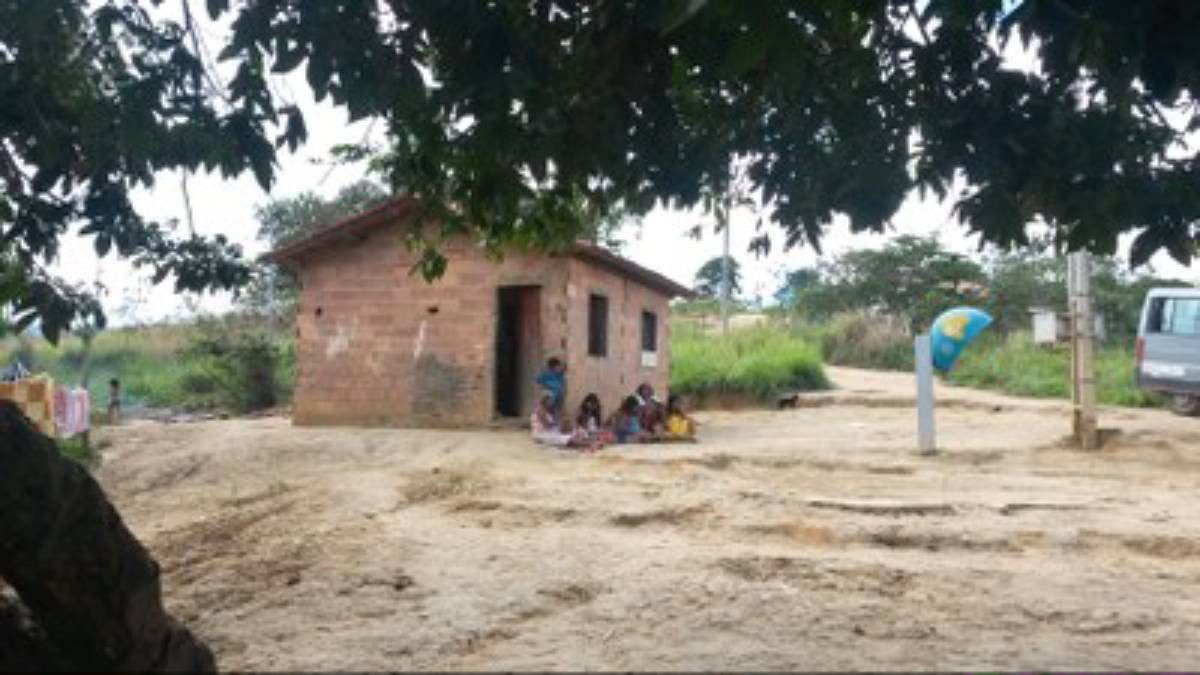
The Federal Public Prosecutor's Office (MPF) has filed a lawsuit in federal court to address a severe humanitarian crisis affecting the Maxakali indigenous people in the Mucuri Valley region of Minas Gerais, Brazil. The community, residing in Bertópolis, Ladainha, Santa Helena de Minas, and Teófilo Otoni, faces grave violations of fundamental rights, including alarming rates of infant mortality, malnutrition, and inadequate access to basic healthcare services. The MPF is seeking immediate judicial intervention to implement emergency measures aimed at restructuring assistance for the indigenous population.
Key demands include the renovation of health posts, provision of potable water to villages, installation of lightning protection systems, and training for healthcare professionals to collaborate with traditional healers, respecting Maxakali culture. A study cited by the MPF reveals that the infant mortality rate among Maxakali children aged 1 to 4 is 30 times higher than among non-indigenous children in the same region. Furthermore, only 2.4% of the Maxakali population lives beyond 60 years, with deaths attributed to malnutrition and treatable infections mirroring Brazil's health conditions from approximately 40 years ago. The lawsuit also highlights linguistic barriers, structural issues in villages such as faulty lightning rods causing accidents, and a severe shortage of staff at the National Indian Foundation (Funai) units, with some serving thousands of indigenous people with only one employee.
Beyond emergency aid, the MPF requests that those responsible be ordered to pay collective moral damages ranging from R$4 million to R$10 million. This compensation would be directly allocated to the Maxakali people for them to decide how to use the funds to improve their living conditions and territory. The lawsuit targets the Union, Funai, the Minas Gerais state government, and the municipalities of Bertópolis, Ladainha, Santa Helena de Minas, and Teófilo Otoni. As of the latest update, responses from these entities had not yet been received.
This situation highlights systemic failures in providing essential services and protecting the rights of indigenous populations in Brazil. The stark disparities in health outcomes, particularly infant mortality and life expectancy, suggest a profound disconnect between national development and the realities faced by marginalized communities. The MPF's action underscores the critical need for culturally sensitive healthcare and infrastructure development, addressing not only immediate needs but also the long-term sustainability of indigenous territories. Future policy must prioritize robust, well-funded, and adequately staffed institutions capable of upholding constitutional guarantees for all citizens, regardless of ethnicity or location, to prevent such humanitarian crises from recurring and to foster equitable societal progress.
AI-generated to prompt reflection — not editorial opinion, not advice, not a statement of fact. How this works.