Brazilian Federal Public Prosecutor's Office Investigates $15 Million Yanomami Indigenous Land Waste Removal Contract
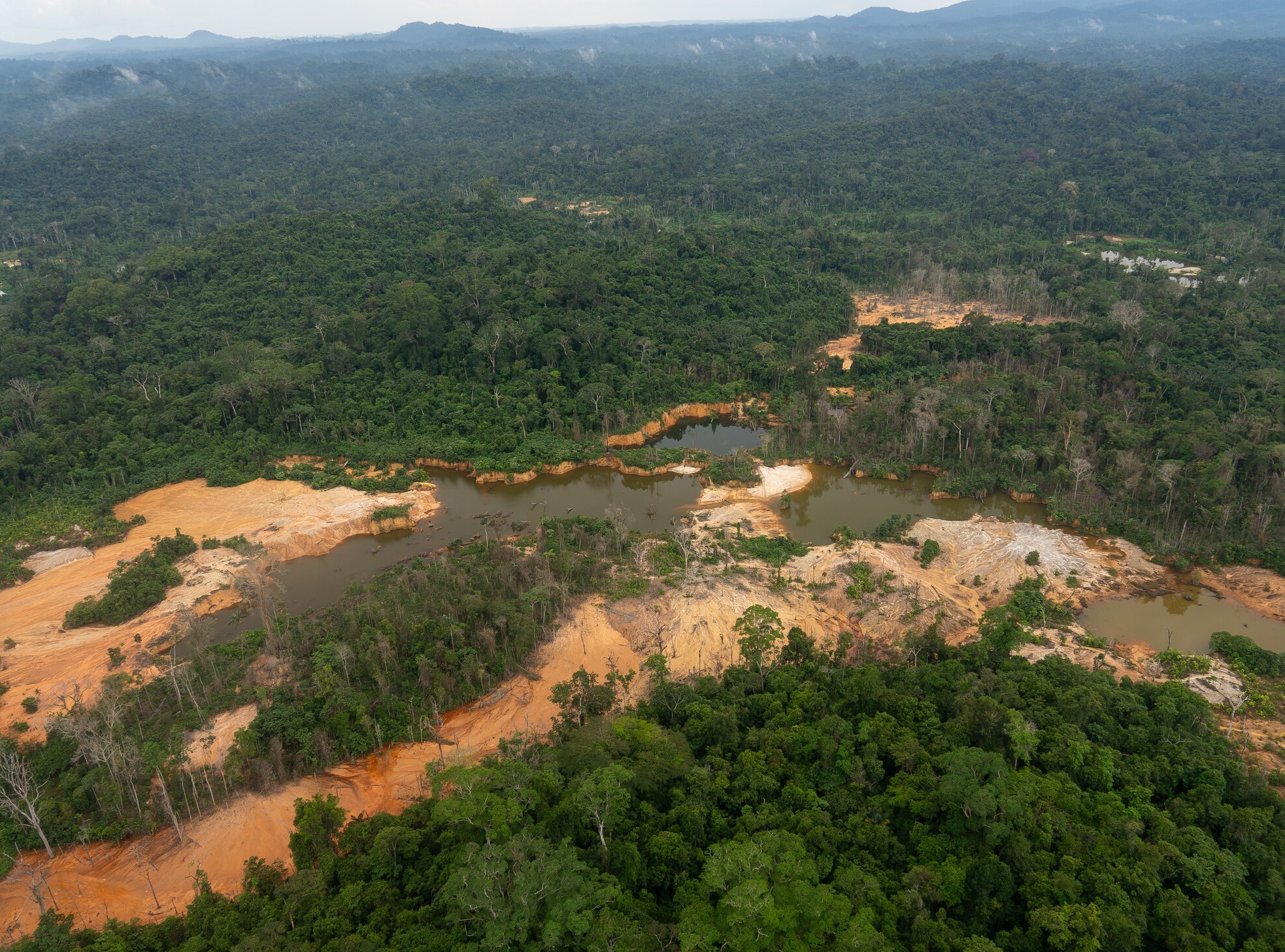
The Federal Public Prosecutor's Office (MPF) in Roraima, Brazil, has launched an investigation into potential irregularities concerning a significant contract worth over R$15.7 million. This agreement was established between the Central of Cooperatives and Solidary Enterprises of Brazil (Unisol Brasil) and the Ministry of Labor and Employment (MTE). The contract's objective was to facilitate the removal of solid waste from the Yanomami Indigenous Territory. This territory is home to indigenous communities of the Yanomami and Ye'kwana peoples, who were intended to benefit from the service. The MPF's investigation began as a preparatory procedure and has now escalated to a formal inquiry to allow for a deeper examination of the contract and its execution. This includes requesting relevant documents, information, and clarifications. The agreement was structured as a 'term of foment,' a partnership model between public entities and civil society organizations for public interest activities. Notably, this same contract has previously faced scrutiny from the Federal Court of Accounts (TCU). In November 2025, the TCU issued a decision that suspended further federal fund transfers from the MTE to Unisol Brasil. The TCU also prohibited any payments or bank transfers by the involved entities using funds already received or deposited. This action by the TCU was prompted by concerns of potential damage to public finances due to a lack of defined goals and inadequate monitoring mechanisms within the contract.
The Federal Public Prosecutor's Office's investigation into the R$15.7 million waste removal contract for the Yanomami Indigenous Territory highlights systemic challenges in public fund management and oversight. The contract's structure as a 'term of foment' between a government ministry and a civil society cooperative, while intended for public benefit, appears to have created vulnerabilities. The prior intervention by the Federal Court of Accounts, citing a lack of clear targets and monitoring, suggests a potential disconnect between contract intent and execution safeguards. Moving forward, strengthening performance metrics and independent auditing mechanisms for such partnerships will be crucial to ensure public funds are used effectively and to prevent potential financial mismanagement. This situation underscores the ongoing need for robust governance frameworks that can adapt to the complexities of large-scale environmental and social projects, particularly in sensitive indigenous territories.
AI-generated to prompt reflection — not editorial opinion, not advice, not a statement of fact. How this works.