Brazilian Football Confederation Defends Referee Raphael Claus After US President Trump's Criticism
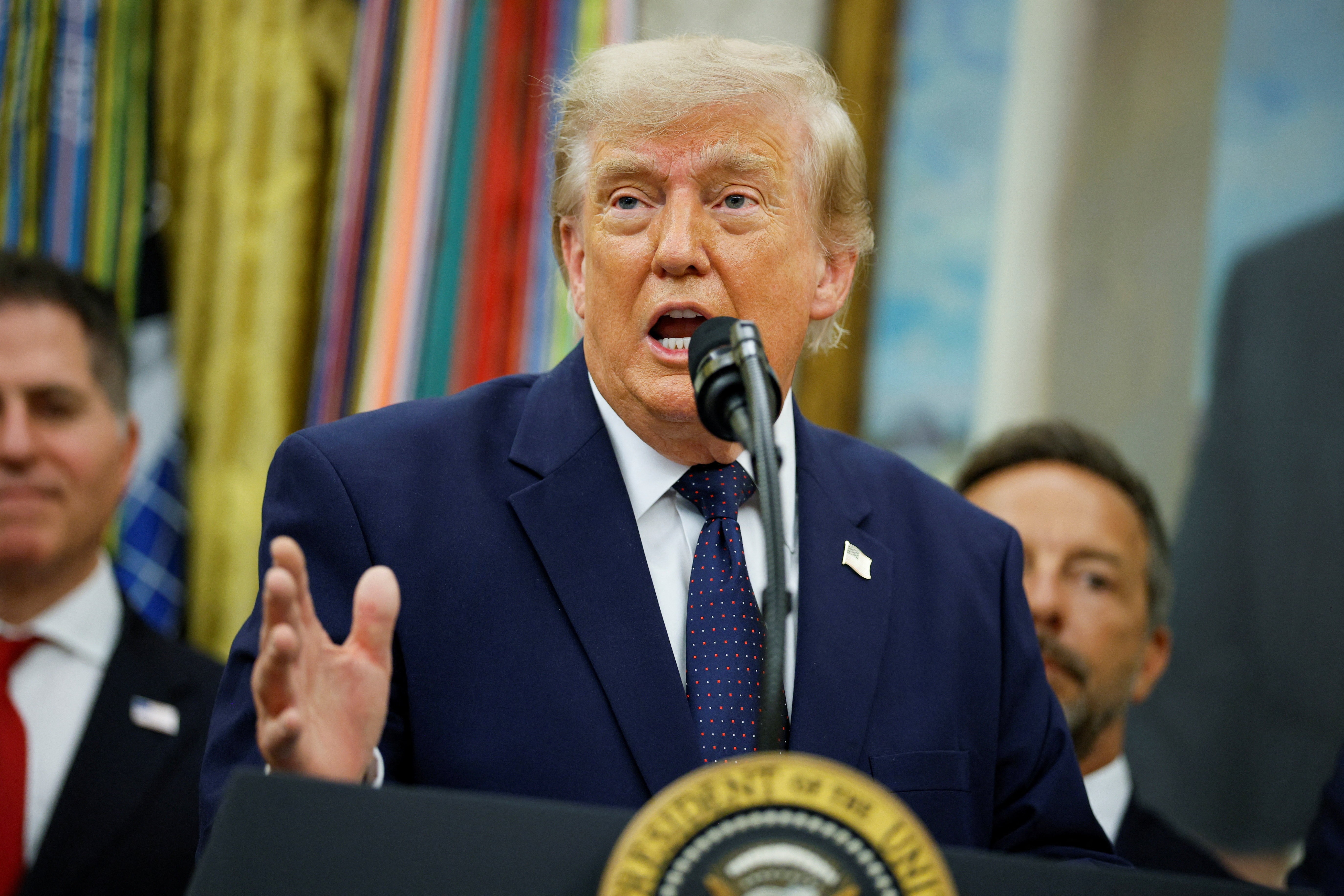
The Brazilian Football Confederation (CBF) has issued a strong defense of referee Raphael Claus after U.S. President Donald Trump publicly questioned his integrity. Trump had labeled Claus "suspicious" following the expulsion of American forward Folarin Balogun during a match between the United States and Bosnia and Herzegovina. Balogun was initially suspended automatically after receiving a red card from Claus, but FIFA later revoked this suspension, allowing him to play in the next match against Belgium. Trump confirmed he had asked FIFA President Gianni Infantino to review the decision, stating Claus's past was "a little suspicious." The CBF vehemently refuted these claims, emphasizing Claus's exemplary record and global recognition as a top-tier referee with a history of technical excellence and ethical conduct. FIFA's Disciplinary Committee did not disclose the specific reasons for converting Balogun's automatic suspension to a conditional one-game ban with a probationary period. The Belgian Football Federation appealed Balogun's reinstatement, but their appeal was rejected by FIFA's Appeals Committee. Meanwhile, UEFA expressed concern that FIFA's decision crossed "a red line."
The intervention by a head of state into a sporting disciplinary matter raises questions about the politicization of international sports governance. While FIFA's stated mission includes upholding the integrity of the game, its decision to overturn a standard disciplinary procedure, particularly after external pressure, could set a precedent for future disputes. This incident highlights the complex interplay between national interests, individual player careers, and the established rules of international sports federations. The CBF's firm stance underscores the importance of protecting referees from undue influence, yet the ultimate outcome suggests that political leverage may supersede established protocols, potentially impacting the perceived fairness and impartiality of future officiating decisions. The differing reactions from UEFA and the Belgian FA indicate a broader debate within the football community regarding FIFA's autonomy and decision-making processes.
AI-generated to prompt reflection — not editorial opinion, not advice, not a statement of fact. How this works.