Brazilian Gang Violence Claims Nine Lives in Bolivia Amid Cocaine Route Dispute
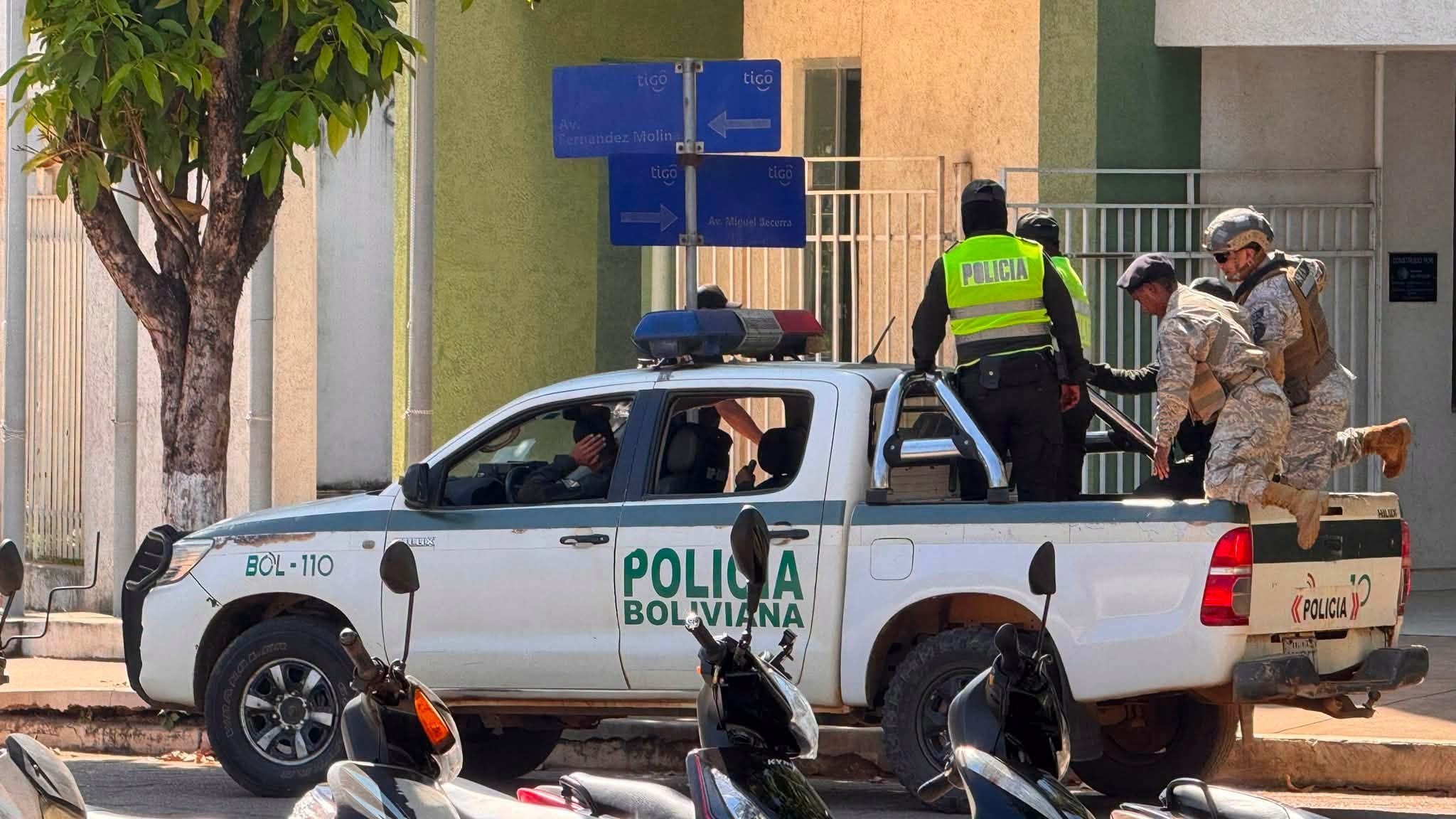
A wave of violence has resulted in nine deaths over five days in Bolivia's Santa Cruz region, the country's main economic hub. The Bolivian government attributes these crimes to a conflict between Brazilian criminal factions, the First Capital Command (PCC) and the Red Command (CV), over control of a cocaine trafficking route. The incidents include a massacre of four people on a farm, the discovery of two decapitated bodies, and three other homicides, one of which was a police officer. According to the Ministry of Government, these attacks were carried out by members of the PCC and CV, who are reportedly expanding their operations in Bolivia. The minister stated that the factions are competing for a corridor used to smuggle drugs internationally. Since November, under the administration of President Rodrigo Paz, 17 leaders of international criminal organizations have been captured and expelled from Bolivia. Authorities have also seized 58 small aircraft, over 360 properties, nearly 300 tons of cocaine and marijuana, and destroyed 190 clandestine landing strips. To enhance cooperation against these organizations, the Brazilian Federal Police will establish bases in Bolivia. Approximately 250 Bolivian police officers have been deployed to San Matías, a border town near Brazil, where most of the recent killings occurred. Bolivia is the world's third-largest producer of cocaine, following Colombia and Peru.
The escalating violence in Bolivia highlights the transnational reach of South American drug cartels and the complex challenges faced by governments in combating their operations. The dispute between the PCC and CV over trafficking routes underscores the economic incentives driving organized crime and the persistent demand for illicit substances globally. Bolivia's strategic position as a major cocaine producer makes it a critical nexus in these networks. The government's efforts, including increased law enforcement presence and international cooperation with Brazil, are necessary but face the systemic challenge of dismantling deeply entrenched criminal enterprises. Future strategies will likely need to address not only interdiction but also the underlying economic and social factors that facilitate drug production and trafficking, while navigating the geopolitical implications of these powerful non-state actors.
AI-generated to prompt reflection — not editorial opinion, not advice, not a statement of fact. How this works.
