Brazilian Highway Bridge Imposes New Weight Limits Due to Structural Concerns
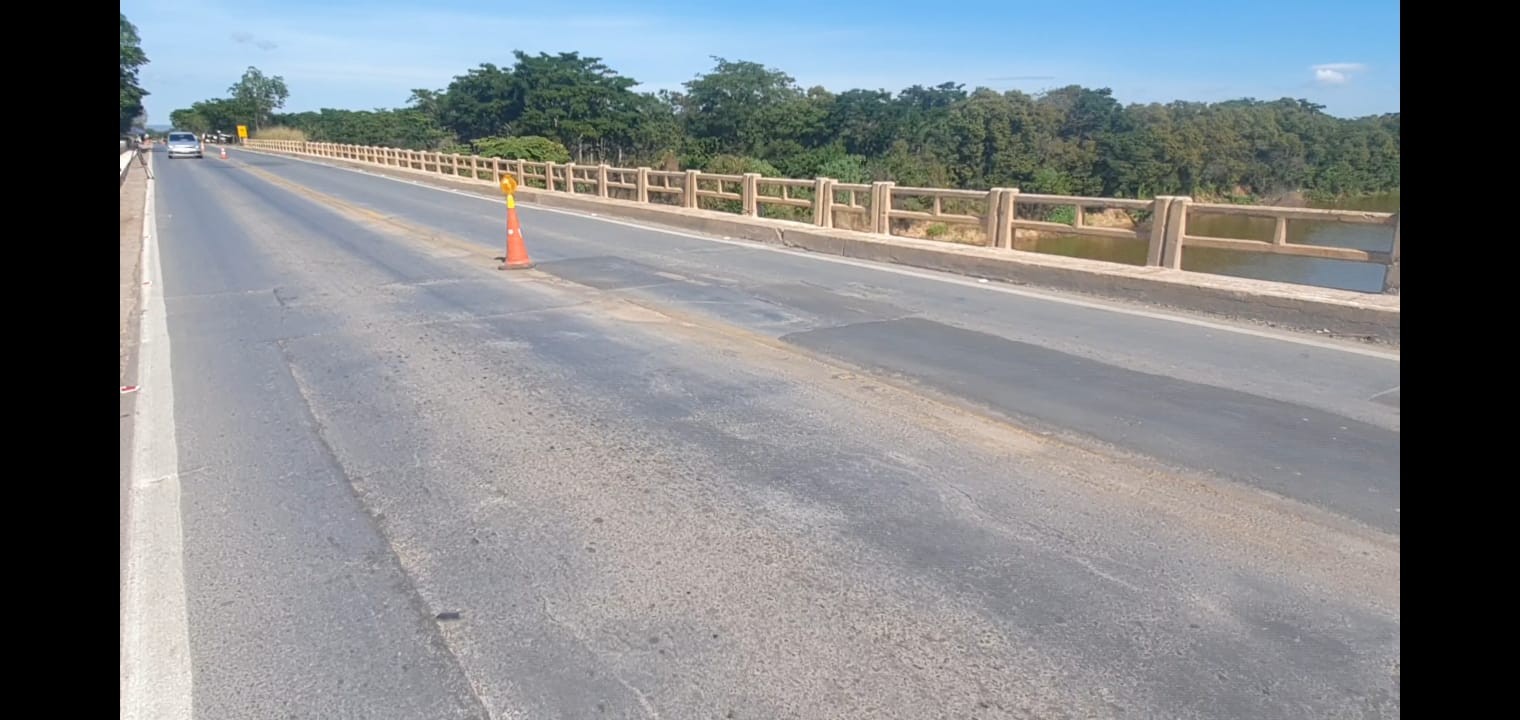
A bridge on Brazil's BR-365 highway, spanning the Rio das Velhas between Várzea da Palma and Pirapora, has implemented new weight restrictions starting Saturday, August 1st. The National Department of Transport Infrastructure (DNIT) made this decision due to ongoing structural issues requiring reinforcement work. Initially, in January, a 25-ton limit was imposed, which was later reduced to 10 tons in June. The latest regulations permit vehicles with a maximum gross weight of 23 tons, a length of up to 15 meters, and a maximum of four axles. DNIT stated that the adjustments are based on the structure's behavior and observed operational conditions, particularly concerning vehicle combinations using the road. These restrictions have caused significant disruptions for truckers, farmers, and businesses, leading to longer travel distances and concerns about the alternative routes. DNIT is considering hiring a ferry service to facilitate crossings and has declared a state of emergency to expedite specialized repair contracts, expected to be finalized soon. The traffic flow remains under real-time monitoring to ensure user safety and prevent further damage to the bridge's structure.
The DNIT's imposition of revised weight limits on the BR-365 bridge reflects a critical infrastructure management challenge, balancing immediate safety imperatives with the economic impact on regional logistics. The repeated adjustments and declaration of emergency highlight potential underinvestment or unforeseen degradation in the bridge's structural integrity. Moving forward, a comprehensive, long-term maintenance and upgrade strategy is essential to prevent recurring disruptions and ensure the resilience of key transportation arteries. This situation underscores the broader need for proactive infrastructure assessment and capital allocation across Brazil's national highway network, especially in anticipating the increased demands of future economic growth and technological shifts.
AI-generated to prompt reflection — not editorial opinion, not advice, not a statement of fact. How this works.