Brazilian Highway Bridge Weight Limit Eased After Disruptions
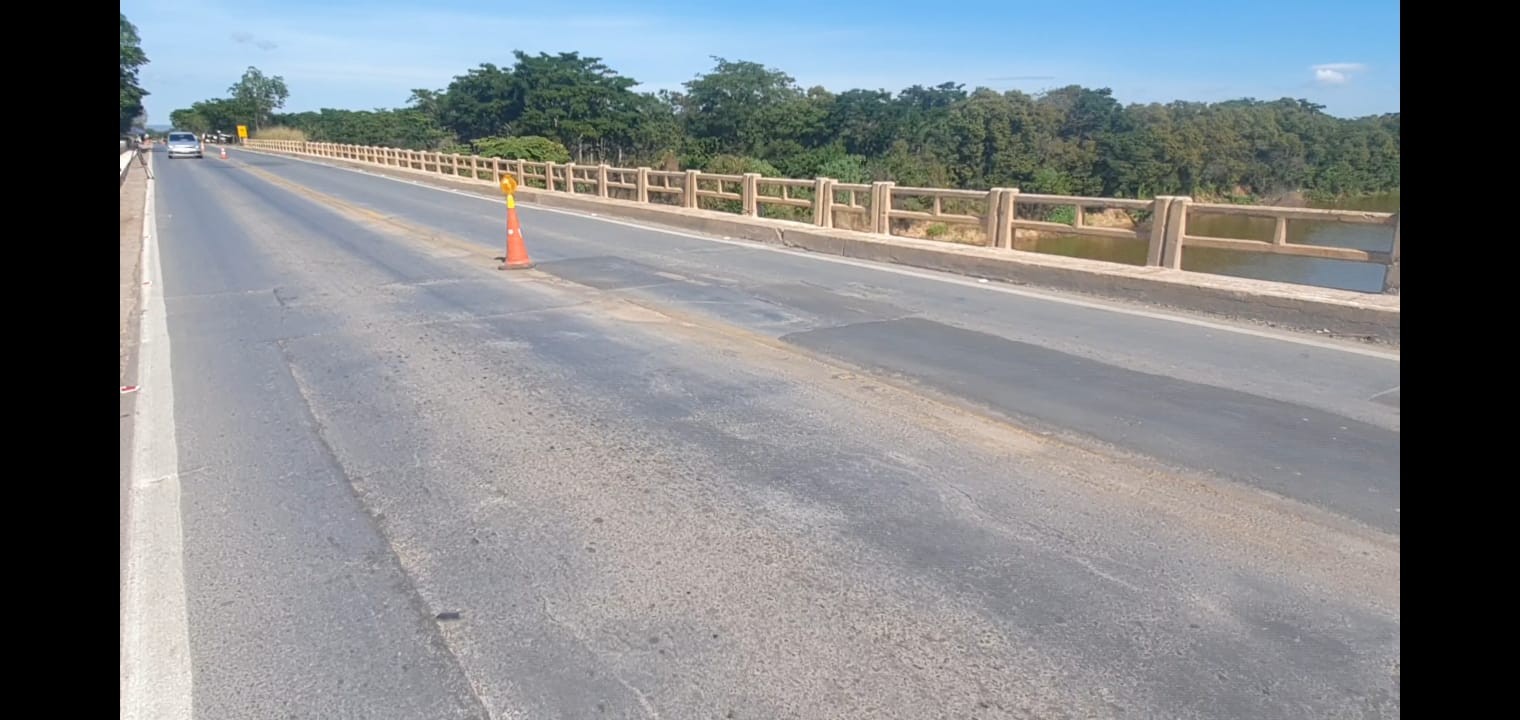
The National Department of Transport Infrastructure (DNIT) in Brazil has announced an increase in the weight and dimension limits for vehicles using the bridge over the Rio das Velhas on BR-365, located between Várzea da Palma and Pirapora. Initially, in January, a 25-ton limit was imposed due to structural reinforcement needs. This was further reduced to 10 tons in June, causing significant disruptions for truckers, farmers, and businesses. Effective Saturday, August 1st, vehicles with a maximum gross weight of 23 tons, a length of 15 meters, and up to four axles will be permitted. The DNIT stated this adjustment considers the structure's behavior and observed operational specifics. The previous restrictions led to longer travel distances and necessitated the use of alternative routes, which also presented challenges. The DNIT had previously considered hiring a ferry service to facilitate crossings. The department emphasized that real-time monitoring continues and the restrictions were vital for user safety and preventing further structural damage. A state of emergency has been declared to expedite the hiring of a specialized company for the bridge repairs, with the process expected to conclude soon. Alternative routes have been provided by the DNIT for traffic heading towards Montes Claros and from the BR-040/MG.
The DNIT's decision to raise the weight limit on the BR-365 bridge reflects a balancing act between ensuring public safety and maintaining essential economic logistics. The initial severe restrictions, while prioritizing structural integrity, demonstrably impacted regional commerce, highlighting the critical interdependence of infrastructure reliability and economic activity. The declaration of a state of emergency signals an acknowledgment of the urgency required for repairs, potentially bypassing lengthy procurement processes. Looking ahead, such incidents underscore the need for proactive infrastructure assessment and maintenance strategies, particularly as traffic volumes and vehicle weights evolve. Future planning should consider the resilience of transportation networks against unforeseen structural issues and the economic consequences of prolonged disruptions, possibly through advanced predictive maintenance or diversified routing infrastructure.
AI-generated to prompt reflection — not editorial opinion, not advice, not a statement of fact. How this works.