Brazilian Highways BR-251 and BR-116 to Implement 'Stop-and-Go' Traffic for Roadworks
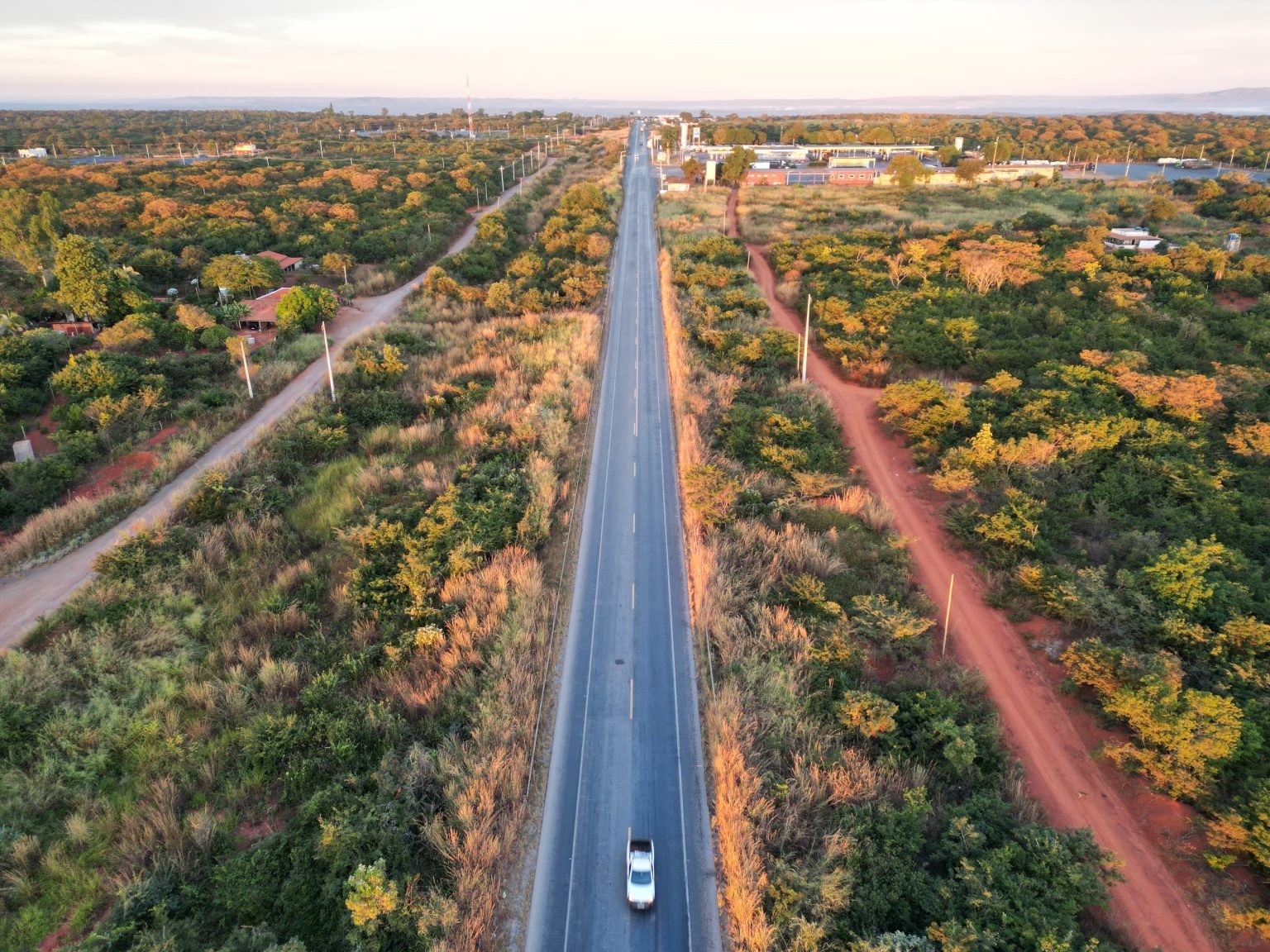
Starting Monday, February 27th, sections of Brazil's BR-251 and BR-116 highways will experience "stop-and-go" traffic control to facilitate essential road maintenance and safety improvement works. These interventions are being carried out by Ecovias das Gerais, the concessionaire that won the bid to manage these sections of the highways in Minas Gerais. The work will occur daily between 9 AM and 5 PM. Specifically, on BR-251, the affected stretch is between kilometers 505 and 523, connecting Montes Claros and Francisco Sá. On BR-116, the work will focus on the segment between kilometers 0 and 25, near the junction in Divisa Alegre. The planned improvements include pavement repair, lane maintenance, clearing of the right-of-way, and upkeep of drainage and signage systems. These efforts are part of the "100-Day Plan," an initiative launched on July 3rd by Ecovias das Gerais, aimed at enhancing road safety and traffic flow. The plan prioritizes emergency pavement and signage restoration, particularly in areas with a high accident history, such as curves and descents. The concession covers 734.9 kilometers across 26 municipalities, with an investment of R$13 billion over 30 years, 70% of which will be allocated to the first decade. This corridor is a vital logistics link between Brazil's Southeast and Northeast regions, with 90% of its traffic comprising heavy vehicles on long-haul journeys. Toll collection is expected to begin in mid-December via a free-flow system, following verification of the concessionaire's adherence to contractual obligations by ANTT and an independent auditor. User services, including emergency medical and mechanical assistance, are slated to commence in November.
The implementation of 'stop-and-go' traffic control on BR-251 and BR-116 signifies a critical phase in the federal government's highway concession program, aimed at addressing long-standing infrastructure deficits. The "100-Day Plan" by Ecovias das Gerais highlights an accelerated approach to emergency repairs, prioritizing safety improvements in high-risk zones. This strategy reflects a common tension in public-private partnerships: balancing immediate operational needs and user inconvenience against long-term investment goals and economic development potential. The substantial R$13 billion investment over 30 years, with a significant upfront allocation, suggests a commitment to transforming this key logistical corridor. Future analysis should monitor the effectiveness of the free-flow tolling system and its impact on traffic flow, as well as the concessionaire's adherence to the ambitious investment and service delivery timelines, particularly in the context of Brazil's evolving transportation landscape and the increasing demands of heavy freight movement.
AI-generated to prompt reflection — not editorial opinion, not advice, not a statement of fact. How this works.