Brazilian Industries Decry 25% US Tariff, Foreseeing Significant Export Losses
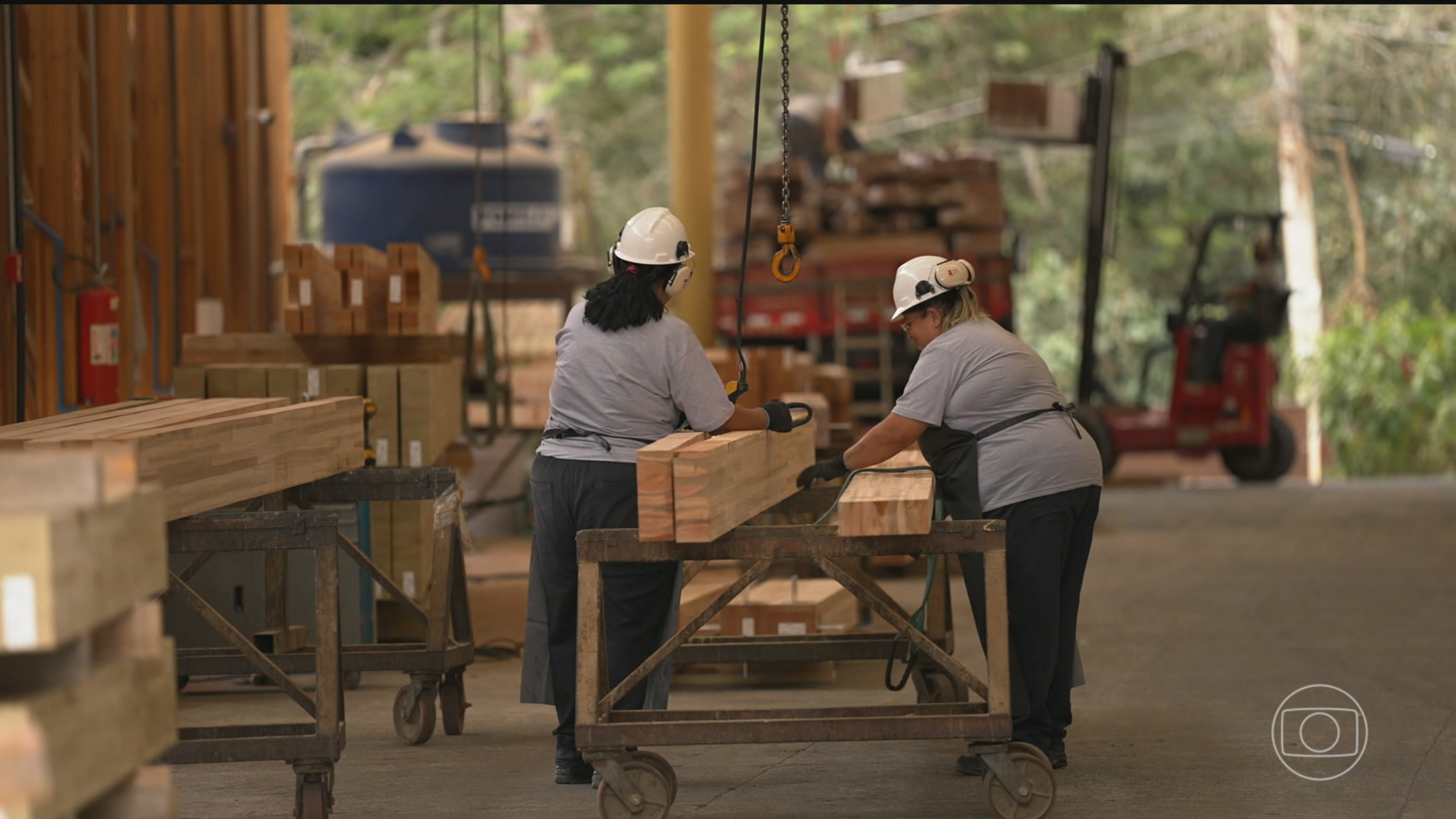
Brazilian industry representatives are strongly reacting to a new 25% U.S. tariff, which the National Confederation of Industry (CNI) estimates will impact 26% of Brazilian exports, totaling over R$50 billion. This figure exceeds the Brazilian government's initial projections. The processed wood industry is particularly vulnerable, with 83% of its products facing taxation, threatening its competitiveness in the American construction market. Paulo Roberto Pupo, superintendent of the Brazilian Association of the Mechanically Processed Wood Industry, warned of factory closures and job losses. The CNI also highlighted that over half of non-metallic mineral exports, including granite, as well as the chemical, food, industrial machinery, and pulp and paper sectors, will be affected. Ricardo Alban, president of the CNI, emphasized the private sector's commitment to continued negotiations to find common ground. In the machinery and equipment sector, exports are predicted to fall by up to 11%, with Patricia Gomes of Abimaq citing the loss of business predictability as a major concern. Footwear exports to the U.S., representing 20% of the sector's total, are expected to decline by 7.1%. Economists note that while some sectors have diversified, replacing the demand volume of the U.S. market is challenging, even with alternatives like China. The fluctuating tariff landscape increases uncertainty, discouraging business investment and negatively impacting economic growth and employment, according to economists Joelson Sampaio and Otto Nogami.
The imposition of a 25% U.S. tariff on Brazilian exports introduces significant economic friction, potentially reshaping global supply chains and bilateral trade dynamics. From a systemic perspective, such tariffs can be viewed as a tool within a nation's trade policy toolkit, often employed to address perceived imbalances, protect domestic industries, or exert geopolitical leverage. However, their implementation can create cascading effects, increasing costs for downstream industries and consumers in the importing country, while simultaneously disrupting established export markets and investment horizons for the exporting nation. The Brazilian private sector's response underscores the critical need for predictable trade environments to foster long-term investment and growth. As global economies increasingly integrate, the strategic use of tariffs necessitates a careful balancing act between national interests and the imperative of maintaining open, stable international commerce, particularly in an era where technological advancements are rapidly altering competitive landscapes.
AI-generated to prompt reflection — not editorial opinion, not advice, not a statement of fact. How this works.