Brazilian Industry Federations Criticize US Tariffs, Blame Government's Diplomatic Handling
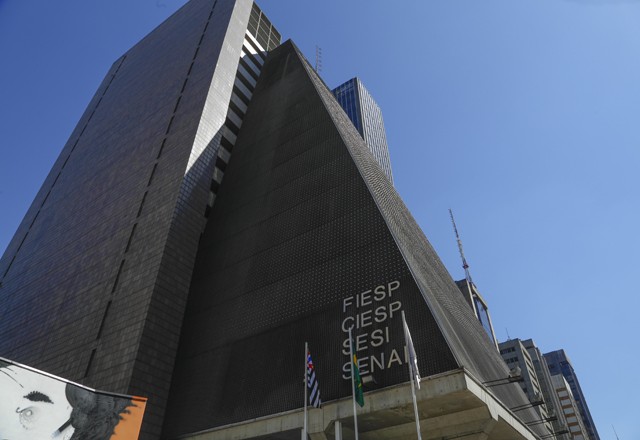
The Federation of Industries of the State of São Paulo (Fiesp) has criticized the Brazilian government's handling of negotiations with the United States following the announcement of new tariffs on Brazilian products. Fiesp stated that the measure significantly harms the competitiveness of national industry and believes the trade retaliation could have been avoided. The federation highlighted that the US decision specifically targets Brazil, disadvantaging national exporters against international competitors. Fiesp attributed the deteriorating trade situation partly to "unnecessary diplomatic noise, personalistic criticism, and political misalignment with Washington," which they argue has weakened a bilateral relationship spanning over two centuries. They advocate for a more technical and pragmatic approach to de-escalate trade tensions. Fiesp President Paulo Skaf noted that the US market is a primary destination for high-value Brazilian goods and that these new tariffs compound existing challenges like high taxes and interest rates. The federation plans to work with US partners to reverse or mitigate the tariffs by expanding the list of exempted products.
The National Confederation of Industry (CNI) also reacted, stating the 25% tariff exacerbates existing difficulties for exporting companies and increases uncertainty. CNI reported that Brazilian exports to the US fell 13% (US$2.6 billion) since 2025, primarily due to reduced sales of industrial goods. The confederation indicated that 20 out of 27 Brazilian states saw export declines to the US in the first half of 2026, with significant drops in states like Rio Grande do Sul and Santa Catarina. Despite the decline, the US remains the main destination for Brazilian manufactured goods. The Federation of Industries of the State of Minas Gerais (FIEMG) echoed concerns, warning that the tariffs increase market access costs and threaten competitiveness, potentially leading to supplier substitution and contract renegotiations. FIEMG emphasized the need for clear rules on affected products, implementation timelines, and ongoing contracts to prevent prolonged loss of competitiveness.
This situation highlights the critical interplay between domestic industrial policy, international trade dynamics, and diplomatic relations. The Brazilian industry federations' critique points to a potential disconnect between the government's foreign policy actions and its stated economic objectives. The imposition of tariffs by the US, coupled with Brazil's perceived diplomatic missteps, creates a complex challenge for Brazilian exporters already contending with internal economic pressures. Moving forward, a strategy focused on predictable trade policies, clear communication channels with key trading partners, and a consistent approach to international relations will be crucial for maintaining and enhancing the competitiveness of Brazilian industries in the global market. The long-term implications will depend on the ability of both nations to navigate these trade disputes constructively, potentially through revised agreements or dispute resolution mechanisms, to foster stability and predictable market access for all parties involved.
AI-generated to prompt reflection — not editorial opinion, not advice, not a statement of fact. How this works.