Brazilian influencer Káh Felipe dies at 27 from rare genetic disorder
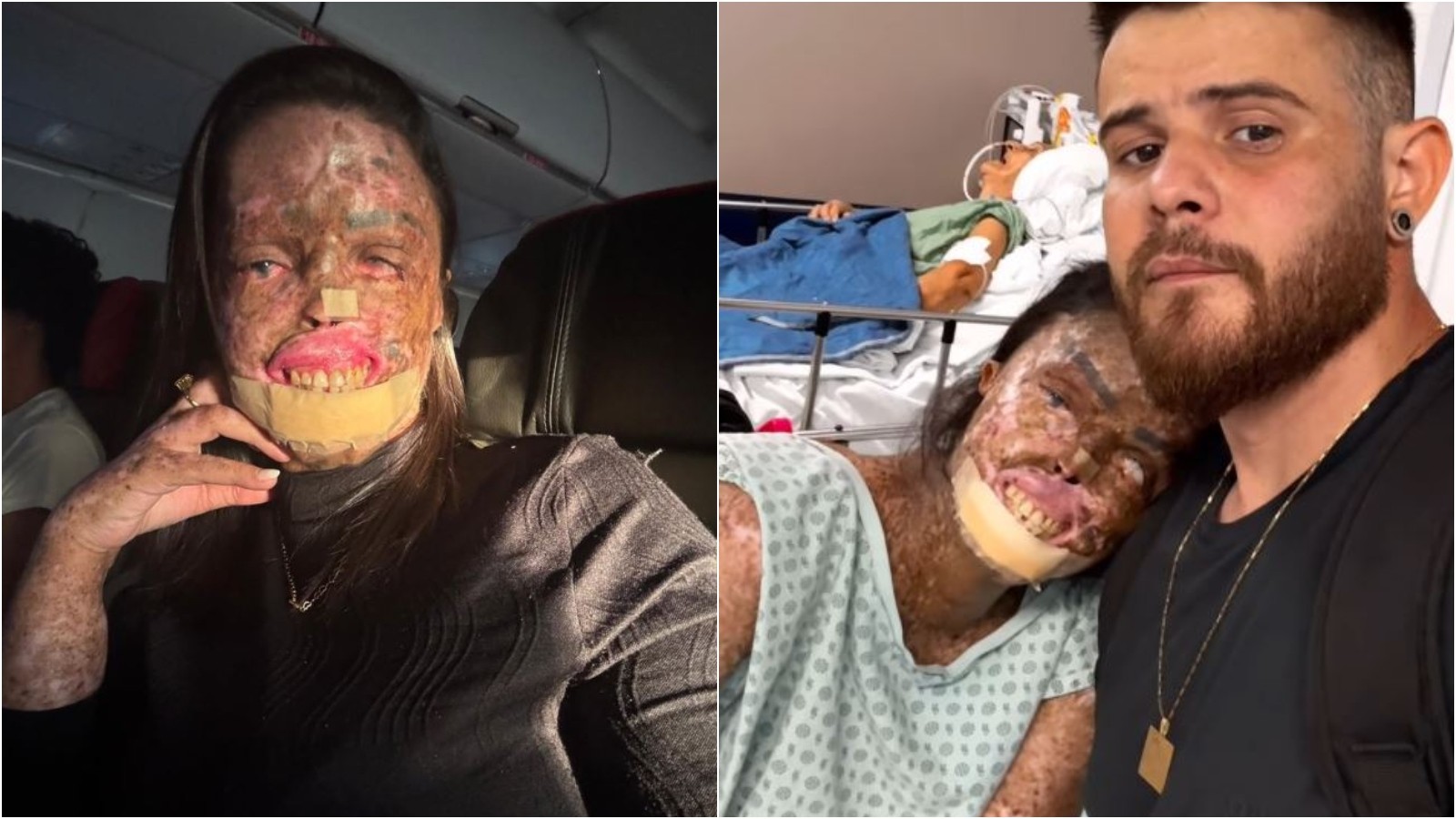
Káh Felipe, a Brazilian influencer from Ceará known for sharing her journey with the rare genetic disorder Xeroderma Pigmentoso (XP), has passed away at the age of 27. She died on Friday, May 24th, in Fortaleza after a two-week hospitalization. Felipe had been diagnosed with metastasis approximately three months prior, leading to severe bone, liver, and lung pain managed with morphine doses. Her death was announced on her official social media profile, which had over 750,000 followers. She had been admitted to the hospital for 18 days due to severe pain and swelling in her left leg, receiving treatment for pneumonia and complications from chemotherapy. Xeroderma Pigmentoso is a non-contagious genetic condition characterized by extreme sensitivity to ultraviolet radiation, leading to a defect in DNA repair and an increased risk of skin cancer. While neurological involvement is rare, it can occur. The condition affects approximately 1 in 1 million people. Felipe, whose real name was Karine de Sousa, was married and leaves behind a daughter. She had previously been given a prognosis of six months to two years to live and described herself as a palliative patient in terminal phase.
The passing of Káh Felipe highlights the profound challenges faced by individuals with rare genetic disorders like Xeroderma Pigmentoso. Her public sharing of her health journey, particularly the advanced stages of metastasis and palliative care, underscores the critical need for accessible and comprehensive support systems for patients and their families. This includes not only advanced medical treatments but also robust psychological and social support to navigate the emotional and physical toll of such conditions. Future advancements in genetic therapies and early diagnostic tools could potentially alter the trajectory for those diagnosed with XP, offering hope for improved quality of life and longer prognoses. The case also emphasizes the role of social media in raising awareness and fostering community for individuals facing rare diseases, while simultaneously presenting the inherent vulnerabilities of public health disclosure.
AI-generated to prompt reflection — not editorial opinion, not advice, not a statement of fact. How this works.