Brazilian Influencer Káh Felipe Dies at 34 from Rare Genetic Disorder and Metastasis
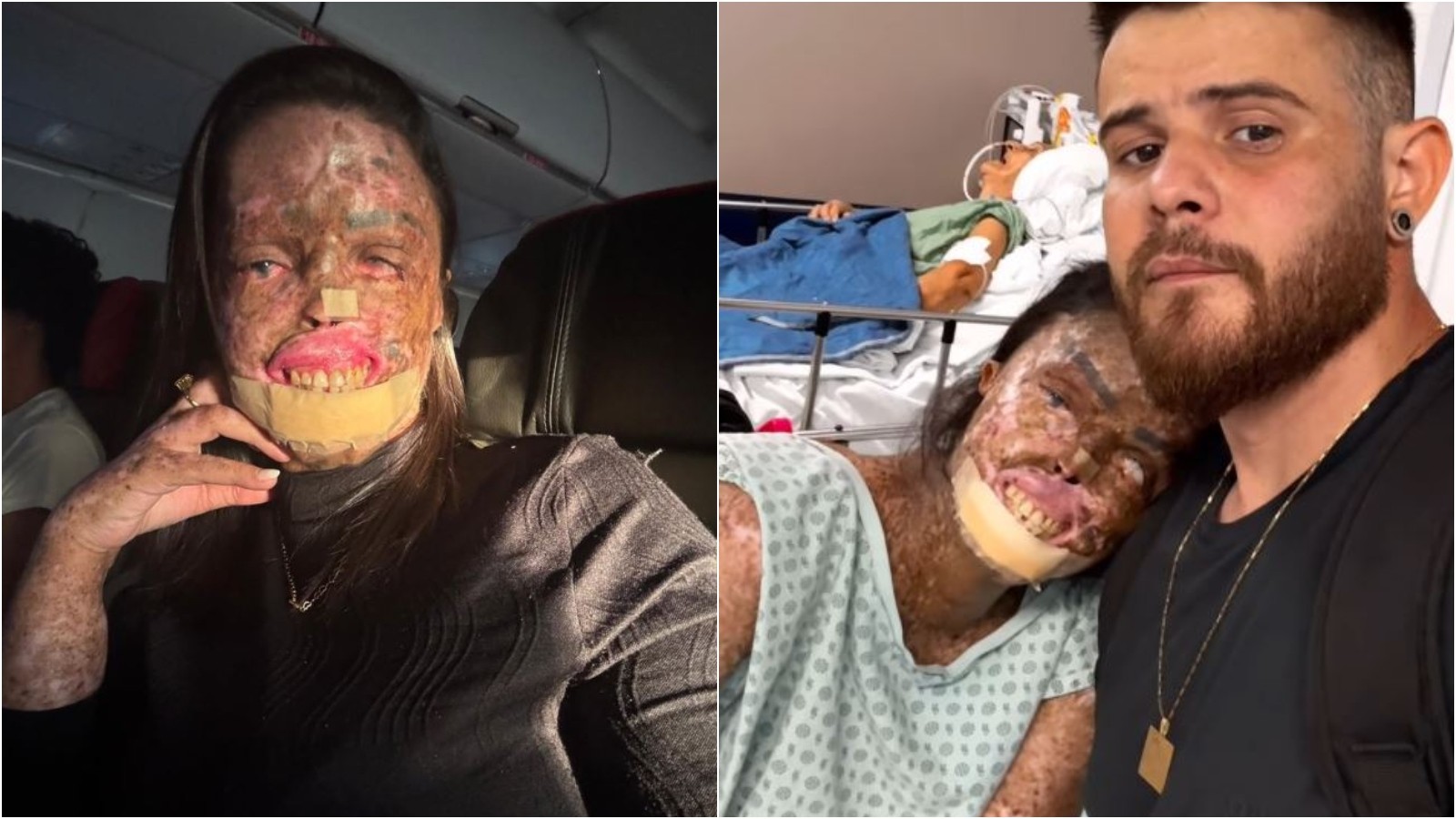
Karine de Sousa, known online as Káh Felipe, a popular Brazilian influencer from Ceará with over 800,000 followers, passed away on Friday, May 24th, in Fortaleza. She was 34 years old. Káh Felipe succumbed to complications from metastatic cancer in its terminal phase, which had spread to her bones, liver, and lungs. For months leading up to her death, she required regular morphine doses to manage severe pain, sometimes needing emergency care at the Ceará Cancer Institute (ICC). Her death was announced on her official Instagram profile after an 18-day hospitalization. Káh Felipe was married to Edmilson Alcântara, with whom she had been for eight years, and they had four children, including a three-year-old daughter. She was diagnosed with Xeroderma Pigmentoso (XP), a rare, non-contagious genetic disorder, at the age of three. XP causes extreme sensitivity to ultraviolet radiation and can lead to skin tumors. In April, Káh Felipe shared her advanced cancer diagnosis with her followers, stating that her doctors gave her a prognosis of six months to two years. She openly documented her treatment, hospital stays, and moments with her family on social media, becoming a symbol of resilience and love for her followers, especially through her relationship with her husband. Xeroderma Pigmentoso affects DNA repair mechanisms after UV exposure, potentially causing skin cancer and, rarely, neurological issues. The condition affects approximately 1 in 1 million people and is inherited.
The passing of Káh Felipe highlights the profound impact of rare genetic conditions and advanced cancers, particularly on individuals who leverage social media platforms for awareness and connection. Her public sharing of a terminal diagnosis and the challenges of managing Xeroderma Pigmentoso and its metastatic complications underscores the evolving role of digital influence in health advocacy. This situation prompts reflection on the accessibility and advancement of treatments for rare diseases, as well as the psychological and social support systems available to patients and their families navigating such severe health crises. The narrative also implicitly raises questions about the long-term implications of genetic predispositions and the potential for future medical interventions to mitigate the progression of diseases like XP and its associated cancers.
AI-generated to prompt reflection — not editorial opinion, not advice, not a statement of fact. How this works.