Brazilian influencer Káh Felipe dies of cancer at 36
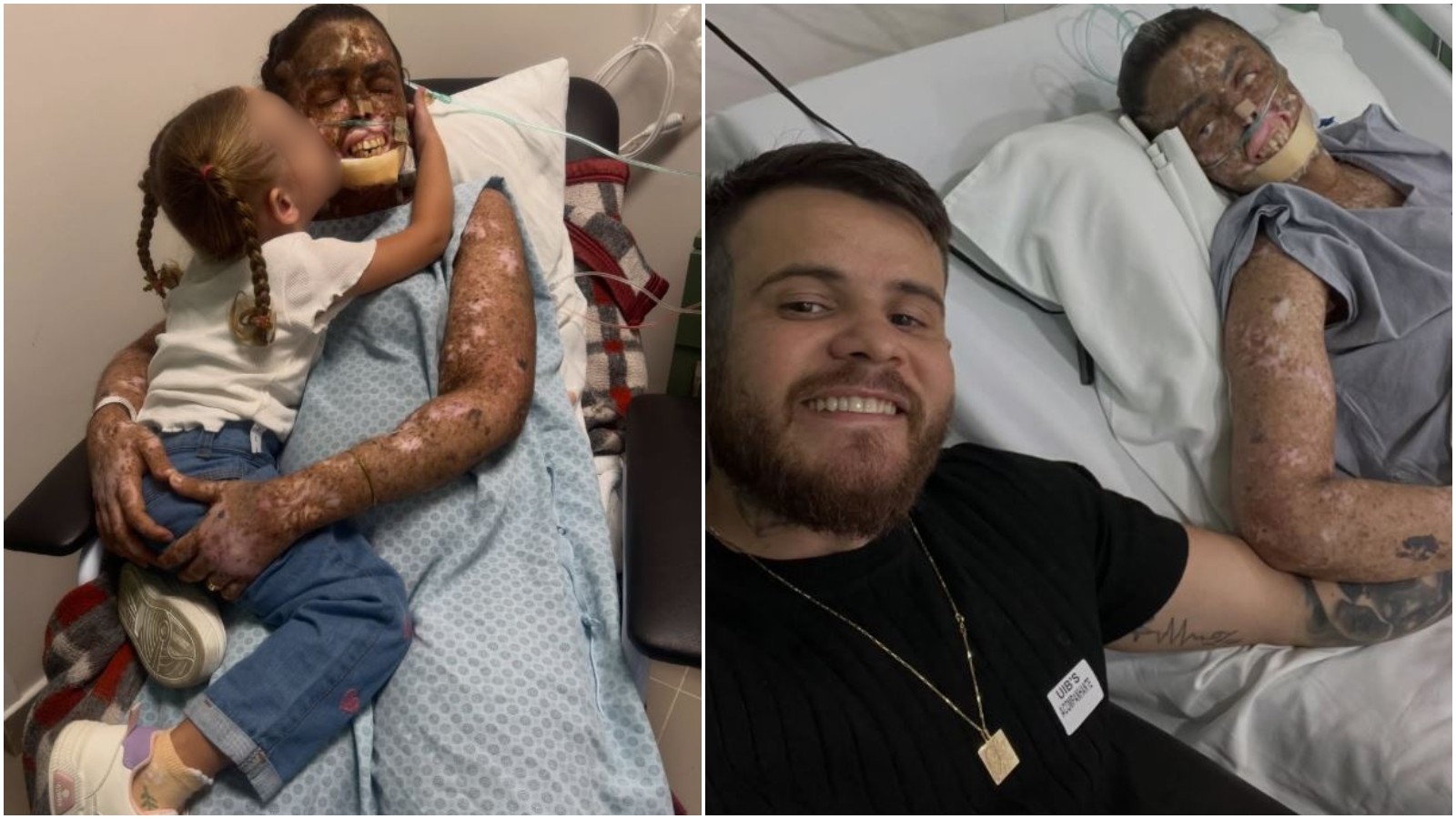
Brazilian influencer Karine de Sousa, known as Káh Felipe, passed away at the age of 36 in a Fortaleza hospital on Friday, March 24th. She had been battling metastatic cancer that had spread to her bones, liver, and lungs. Two days before her death, Káh posted a touching message on Instagram about missing her family, sharing photos and videos with her youngest daughter. She had been hospitalized for 18 days, initially admitted due to severe leg pain and swelling. During her stay, she was treated for pneumonia and complications related to chemotherapy side effects. Káh Felipe was diagnosed with Xeroderma Pigmentoso in childhood, a rare genetic condition causing extreme sensitivity to ultraviolet radiation and increasing the risk of skin cancer. Despite her diagnosis of metastatic cancer, which had a prognosis of 6 months to 2 years, she was described as a "warrior" who fought with immense strength, courage, and unwavering faith. She managed her pain with morphine and received palliative care when needed. Káh is survived by her husband, Edmilson Alcântara, and her four children. Her wake was scheduled for Saturday, March 25th, in Maracanaú, in the Metropolitan Region of Fortaleza.
The passing of Káh Felipe highlights the profound impact of rare genetic conditions and aggressive cancers, particularly on young individuals and their families. Her public sharing of her journey, from diagnosis to palliative care, underscores the growing importance of social media in disseminating health information and fostering support networks. The narrative also implicitly points to systemic challenges in healthcare access and the emotional toll on caregivers, as exemplified by her husband's expressed helplessness. Moving forward, continued investment in research for rare diseases and improved palliative care infrastructure are crucial to alleviate suffering and enhance quality of life for patients and their loved ones. The digital age offers opportunities for greater awareness and advocacy, but also necessitates a focus on responsible health communication and support for those navigating complex medical journeys.
AI-generated to prompt reflection — not editorial opinion, not advice, not a statement of fact. How this works.