Brazilian Jury Acquits Two Police Officers in Paraisópolis Shooting Case
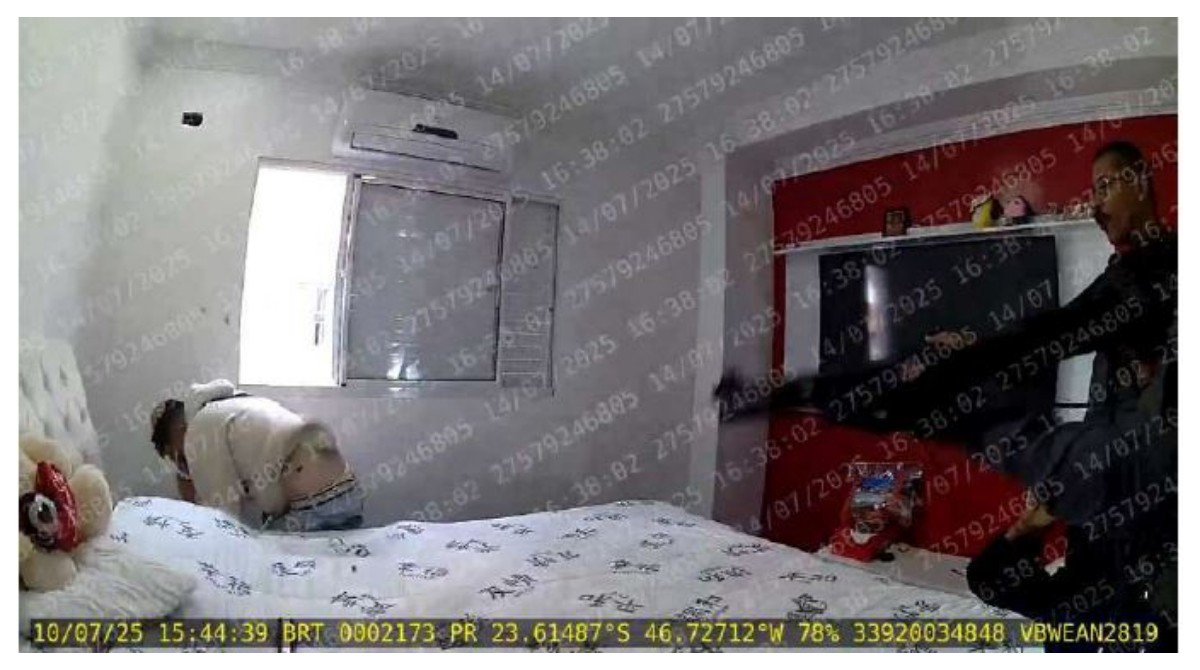
A jury has acquitted two military police officers, Renato Torquatto da Cruz and Robson Noguchi de Lima, who were accused of executing Igor Oliveira de Moraes Santos in Paraisópolis, São Paulo, on July 10, 2025. The incident occurred during a police operation in the Zona Sul of the city. Two other officers, Hugo Leal de Oliveira Reis and Victor Henrique de Jesus, are also defendants in the case as alleged collaborators, but their trial has been separated and has no set date. The trial for the acquitted officers began on Tuesday, November 28, at the Barra Funda Criminal Forum. The prosecution had filed charges against the four officers on July 22, which were accepted by Judge Luciana Menezes Scorza. The officers were officially declared defendants on July 29 of the previous year.
Exclusive body camera footage revealed that the officers, part of the ROCAM unit, were patrolling for drug trafficking when they encountered Igor and three other suspects. The videos show Igor, 24, surrendering with his hands over his head and then lying on the ground. As he began to rise with one hand raised, officers Torquatto da Cruz and Noguchi de Lima fired their weapons. The footage, which captured approximately 20 seconds of the encounter, did not show any weapons among the four suspects. Despite the suspects' surrender and lack of visible arms, the officers appeared to claim Igor was armed after the shooting. Investigations by the State Department of Homicide and Personal Protection (DHPP) concluded that the officers executed the suspect, as the body cameras were operational and recorded the event without the officers' knowledge.
This case highlights the critical role of body camera footage in accountability, as it provided evidence contradicting the officers' initial accounts. The jury's decision, despite visual evidence suggesting a surrender, raises questions about the interpretation of events and the burden of proof in such high-stakes situations. It underscores the ongoing societal tension between law enforcement's need for decisive action in volatile environments and the imperative to protect citizens' rights, particularly when individuals are unarmed and have ceased to pose a threat. Future considerations may involve enhanced training on de-escalation and use-of-force protocols, as well as clearer legal frameworks for evaluating evidence captured by body cameras, ensuring that such technology serves to build trust and transparency rather than becoming a point of contention in the justice system.
AI-generated to prompt reflection — not editorial opinion, not advice, not a statement of fact. How this works.