Brazilian Maestro Leads Austrian Choir on Inaugural Tour of Brazil
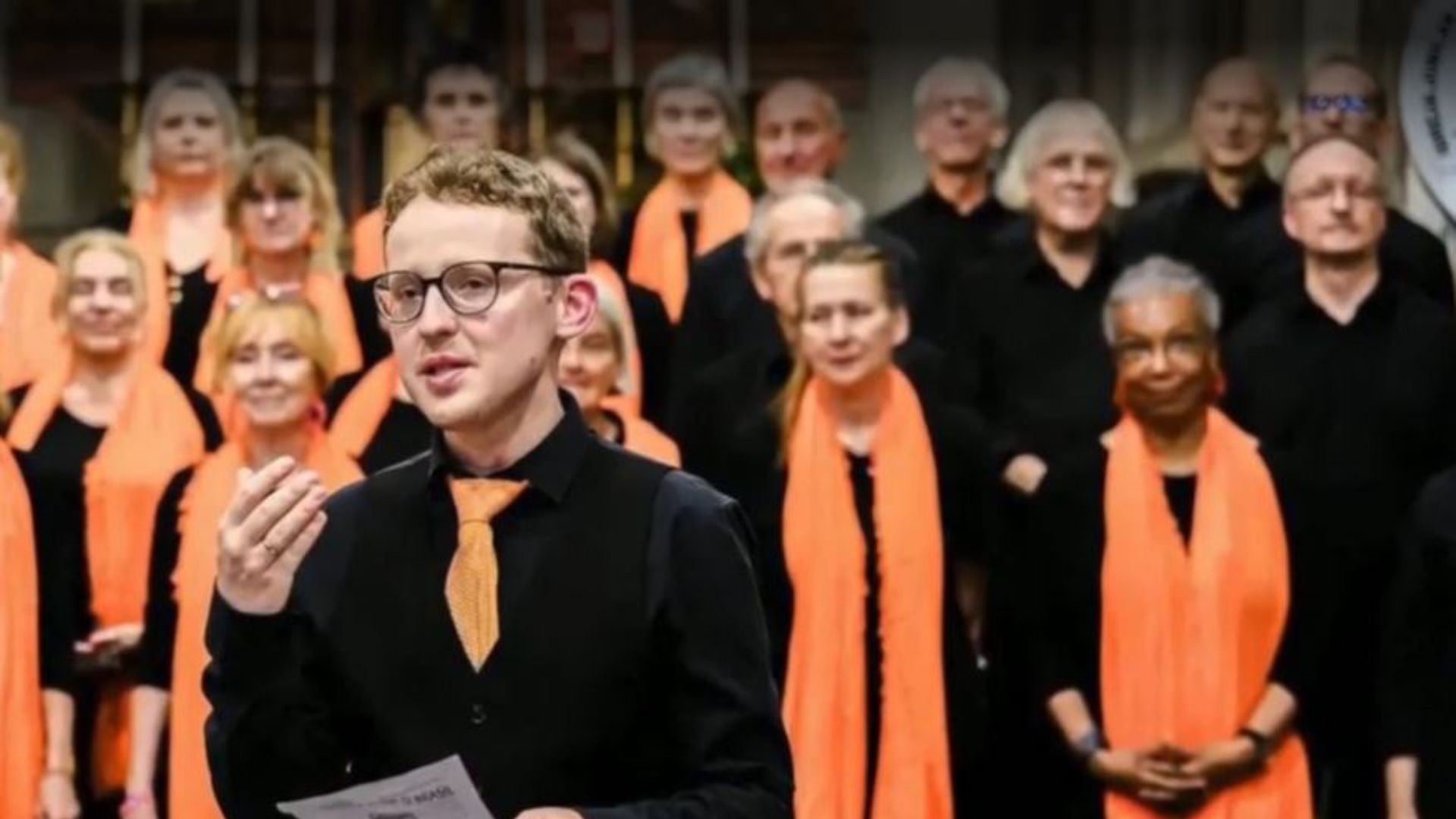
Fábio Lahass, a 28-year-old Brazilian maestro originally from the rural area of Santa Maria de Jetibá in Espírito Santo, is currently leading the Viennese Choir on an unprecedented tour of Brazil. Lahass, who moved to Vienna, Austria, five years ago to pursue his musical studies, has returned to his home state as the official conductor of the European ensemble. The recent visit to Espírito Santo featured approximately 40 Austrian members performing free concerts that blended classical and gospel music. Lahass expressed his dream of following his passion, emphasizing quality over recognition. His musical journey began in his childhood church in the rural community of Alto São Sebastião, where he discovered his affinity for classical music through hymns. Driven by his ambition, he relocated to Austria, a global hub for classical music, and after two years of study, became the conductor of the Viennese Choir. He conveyed his joy and honor in returning to Brazil, aiming to share Austrian music while also introducing the choir to the richness of Brazilian musical culture. Beyond concerts, the choir engaged with local culture, including visits and performances with traditional Capixaba congo groups. The choir president, Agnes, noted the warmth and receptiveness of the Brazilian people and the special connection music fosters. Following their Espírito Santo engagements, the choir proceeded to Rio de Janeiro for further performances.
This narrative highlights an individual's successful transition from a rural background to international artistic leadership, showcasing the potential for global cultural exchange. The journey underscores the accessibility of advanced musical education in established European centers and the reciprocal benefits of such international collaborations. It prompts reflection on how globalized artistic training can foster unique cross-cultural expressions, enriching both the artist's home community and the international stage. The event also implicitly raises questions about the infrastructure and support systems necessary to nurture emerging talent from diverse socioeconomic backgrounds within Brazil, and how such international exposure can be leveraged to elevate domestic cultural offerings.
AI-generated to prompt reflection — not editorial opinion, not advice, not a statement of fact. How this works.