Brazilian Man Critically Ill in France: Family Seeks Funds for Repatriation and Lung Transplant
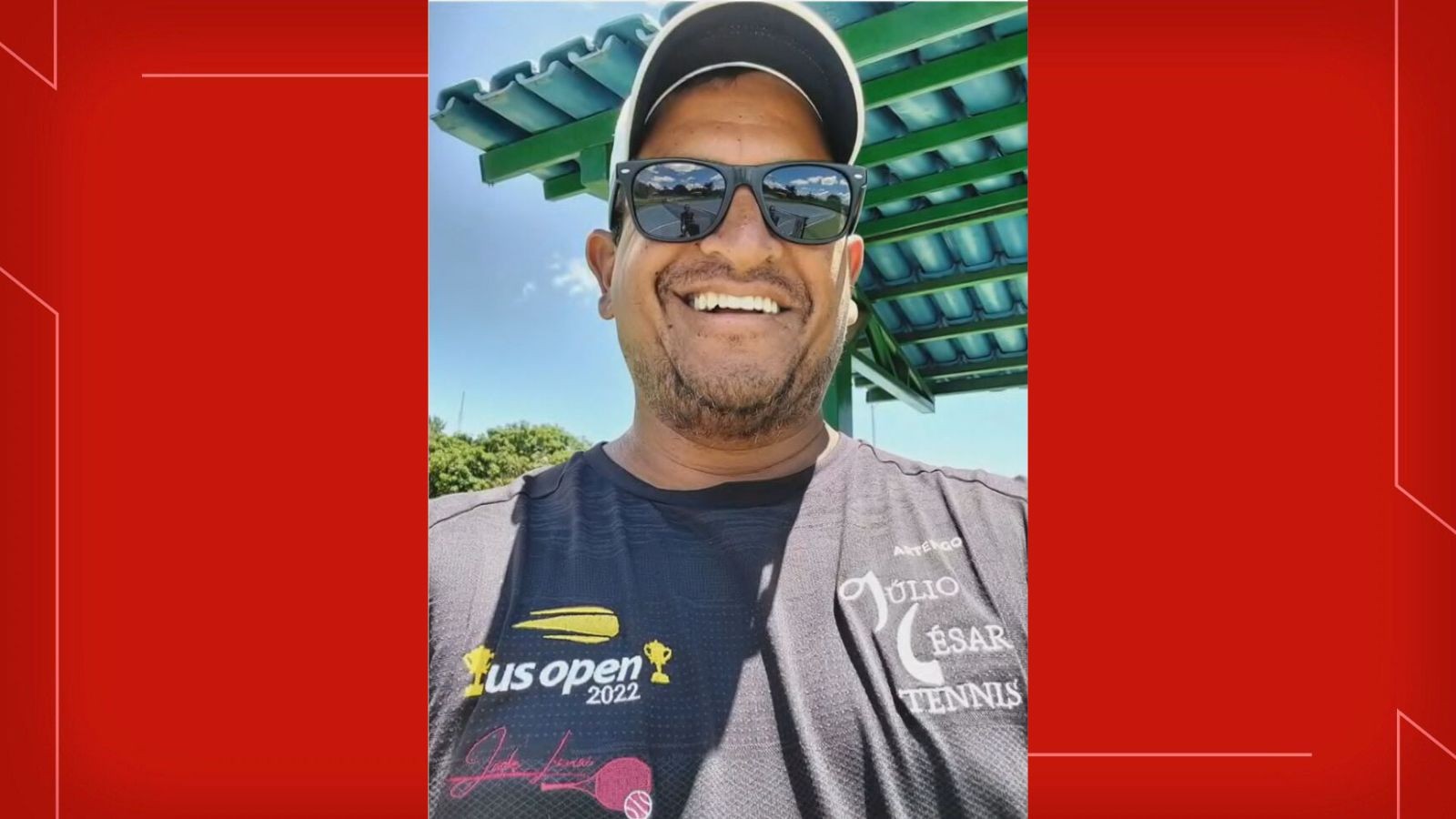
Júlio César da Rocha, a 45-year-old tennis instructor from Brazil's Federal District known as Césinha, is critically ill in France. He was diagnosed with a severe autoimmune disease, dermatomyositis associated with pneumocystis pneumonia, which has significantly impacted his lungs. Césinha traveled to Paris with his wife to attend the Roland Garros tennis tournament but fell ill on his second day and was hospitalized. He has been hospitalized for 38 days, including 18 days in an induced coma. His family is now trying to bring him back to Brazil for a double lung transplant. However, the travel insurance they purchased only covers $100,000 of the estimated $265,000 repatriation cost, leaving the family to cover the remaining $165,000, approximately R$900,000. Initially, the insurance company denied covering any repatriation costs, but after the case gained public attention, they agreed to cover his hospitalization expenses. Césinha faces ongoing risks of infection due to his critical condition. Friends and family have launched an online fundraiser and have already collected around R$100,000. The family is also concerned about securing a place for his bilateral lung transplant in Brazil, noting that specialized hospitals with the necessary equipment are limited and require SUS (Brazil's public health system) approval. The Brazilian Consulate in Paris is providing consular assistance, including hospital visits and support for the family, though the Brazilian government is not legally obligated to fund patient transport back to Brazil.
This situation highlights the critical gap between international travel and comprehensive medical insurance coverage, particularly for severe, unexpected illnesses requiring extensive treatment and repatriation. The financial burden placed on families in such circumstances underscores the need for robust travel insurance policies that adequately account for high-cost medical emergencies and complex procedures like lung transplants. It also brings to light the challenges individuals face in accessing specialized healthcare, both internationally and domestically within public health systems. The case prompts consideration of systemic issues in healthcare access, insurance regulation, and international patient transfer protocols, particularly as global mobility increases.
AI-generated to prompt reflection — not editorial opinion, not advice, not a statement of fact. How this works.