Brazilian man joins Ukraine's army after losing $65,000 to gambling addiction
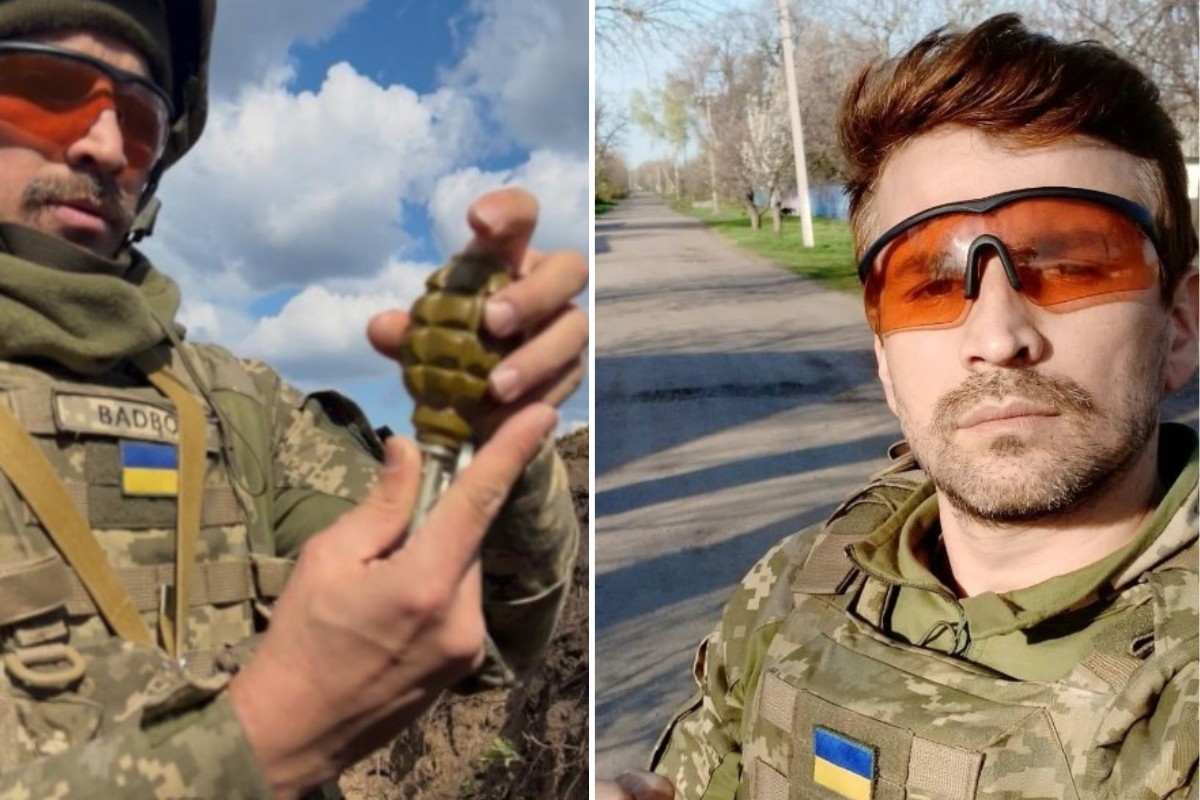
Thiago Morais da Silva Moita, a 35-year-old Brazilian, has enlisted in the Ukrainian Army in an extreme attempt to overcome a severe gambling addiction. Moita, originally from Rio de Janeiro, lost over R$340,000 (approximately $65,000 USD) to online betting, prompting him to leave his life in São Paulo state and seek a radical change. He described his decision to join the war effort as a way to escape his "mental prison" and alter his mindset, stating, "I needed to get out of that environment to change my thinking." Moita moved to Iguape, São Paulo, in 2022 to be closer to his son and worked as an electronics salesman and rideshare driver, but all his earnings were consumed by online gambling platforms. The addiction peaked when he lost R$75,000 in a single day. A psychologist's assessment that he showed signs of ludopathy, or gambling disorder, spurred his drastic decision. Influenced by a military family background, Moita joined the International Legion of Defense of Ukraine in March, adopting the childhood nickname "BadBoy." His current routine involves missions lasting up to 40 days and 12-hour daily training sessions in weapons and explosives. While he does not engage in direct front-line combat, his unit faces constant threats from drones and missiles. Moita has already survived a missile strike on his base shortly after arriving and narrowly escaped a bombing that killed a fellow Brazilian soldier. His military contract includes a month of leave, with a return to Brazil anticipated between November and December. Upon his return, he must decide whether to end his service or continue for another three years with the Ukrainian Army.
This narrative highlights the profound personal consequences of unchecked gambling addiction, illustrating how individuals may seek extreme environments to force psychological reset. The decision to join an active warzone, while framed as a personal battle against addiction, also raises questions about the recruitment of individuals in vulnerable states and the potential exploitation of such vulnerabilities by military organizations. From a systemic perspective, the case underscores the societal need for more accessible and effective interventions for behavioral addictions, particularly in the rapidly expanding digital gambling landscape. Looking ahead, as AI-driven platforms potentially amplify addictive mechanisms, understanding and addressing these personal crises will become increasingly critical for individual well-being and societal stability.
AI-generated to prompt reflection — not editorial opinion, not advice, not a statement of fact. How this works.