Brazilian medical students' HIV research selected for global AIDS conference
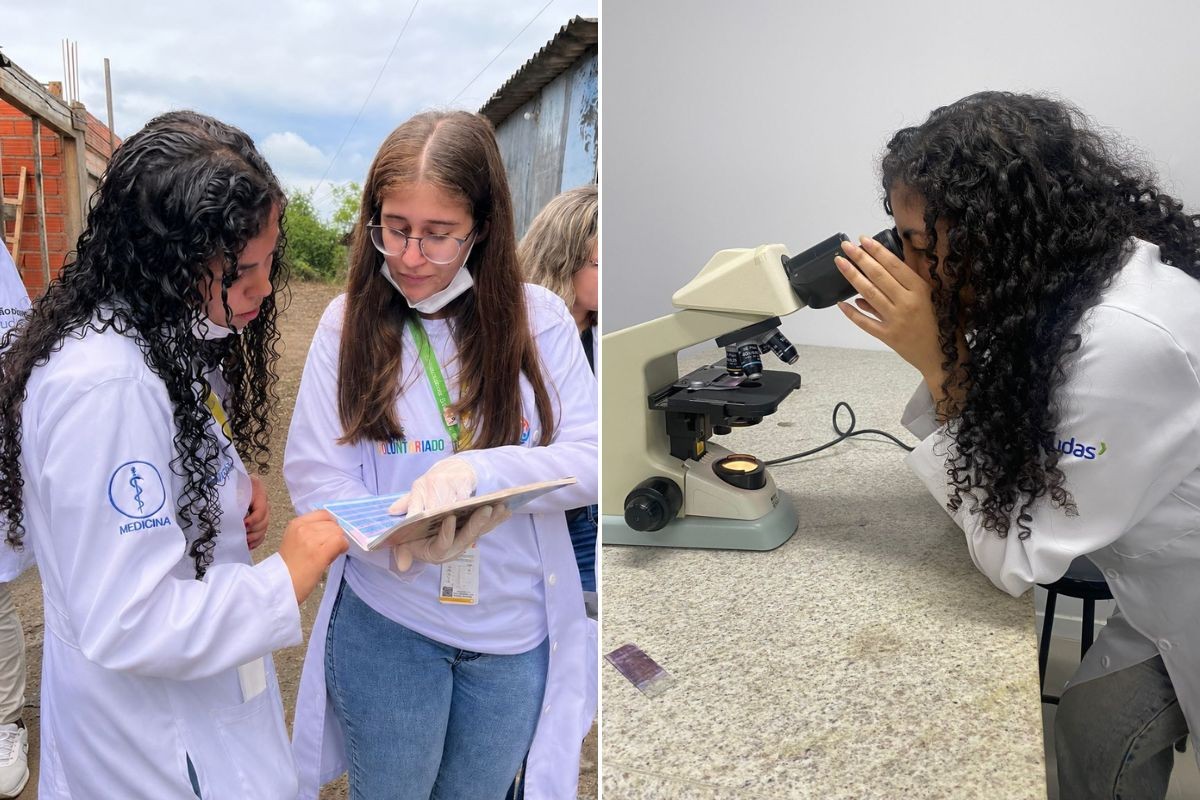
Three medical students from Cubatão, São Paulo, Brazil, have had their research proposal selected for presentation at the 26th International AIDS Conference, the world's largest global gathering dedicated to HIV and AIDS. The project, developed by Júlia Costa Gusmão (20), Maria Luiza Junqueira de Lima (21), and Priscilla Rodrigues Gonçalves (23), focuses on the complementary role of physical exercise in the care of people living with HIV. This initiative emerged from a classroom activity and is intended to supplement, not replace, medication. The students, in their fourth semester at Universidade São Judas Tadeu, were inspired to explore an alternative approach after noticing many other projects focused on diagnosis and viral load. Their proposal highlights how physical activity can help mitigate the chronic inflammation caused by HIV, contributing to better bone health, muscle function, and metabolic balance. Furthermore, the research emphasizes the significant benefits for mental well-being and overall quality of life for individuals with HIV. The students' work is grounded in current scientific literature and also involved educational interventions and discussion groups. They received an unexpected invitation from the International AIDS Society (IAS), the organizing body, to present their findings in Rio de Janeiro from July 26-31. Following the conference, they plan to continue their research and advocate for the integration of physical exercise programs into HIV care. The students are currently seeking financial assistance for their travel and accommodation expenses for the Rio de Janeiro event.
This research highlights a growing understanding of holistic health interventions for chronic conditions. By focusing on non-pharmacological approaches like exercise, the students are addressing the broader impact of HIV on a patient's physical and mental well-being, moving beyond purely biomedical metrics. This aligns with a future where integrated care models become standard, recognizing that patient outcomes are influenced by lifestyle and environmental factors as much as by medical treatment. The initiative's selection for a major international conference underscores the potential for innovative, community-driven research to inform global health strategies. Future efforts could explore scalable implementation models and long-term efficacy studies to solidify exercise as a standard component of HIV management.
AI-generated to prompt reflection — not editorial opinion, not advice, not a statement of fact. How this works.