Brazilian Military Court Orders Arrest of Firefighter Colonel Accused of Sexual Harassment
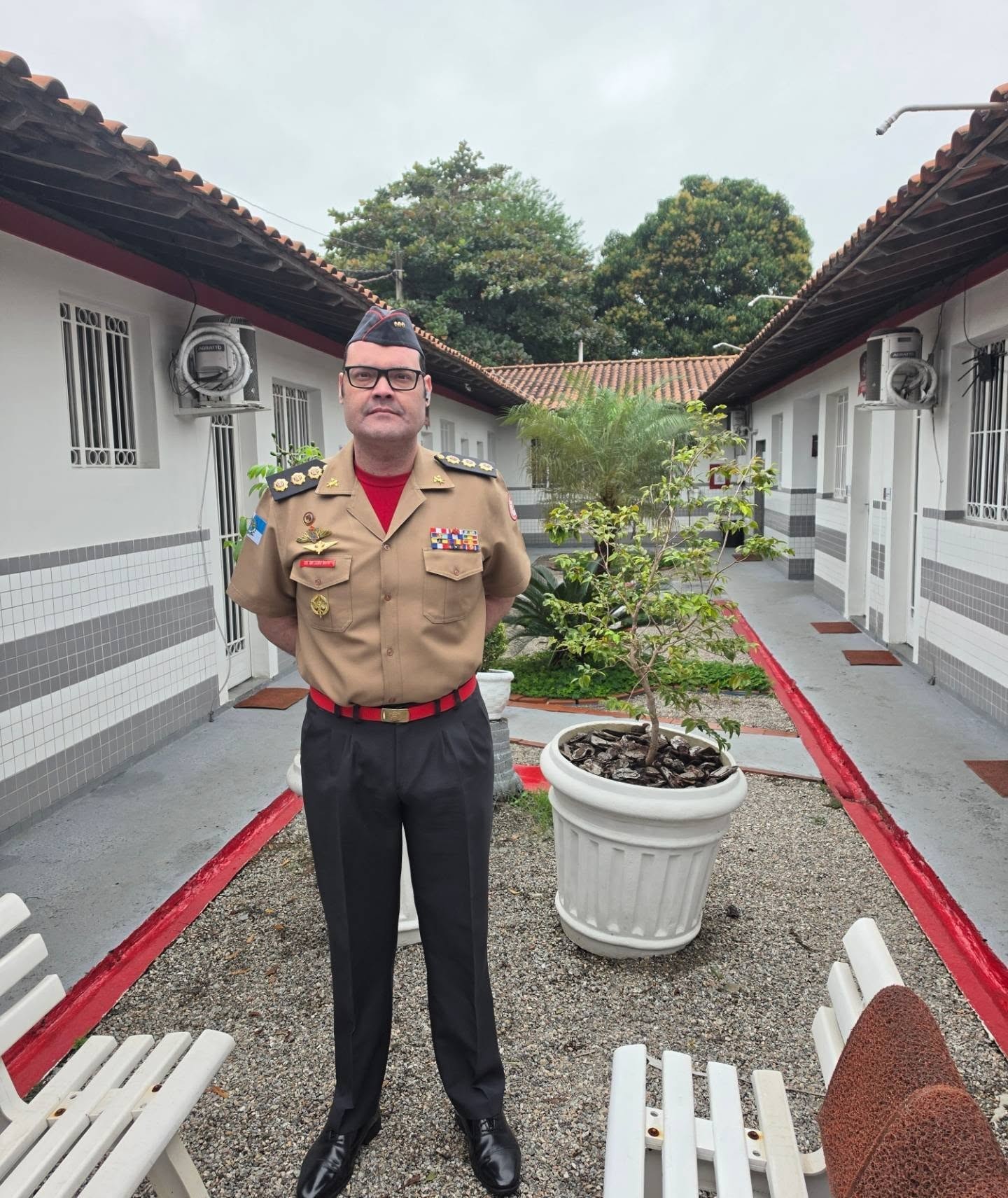
A Brazilian Military Court in Rio de Janeiro has denied a habeas corpus request, ordering the arrest of Firefighter Colonel Lauro Cesar Botto Maia. Colonel Maia is accused of sexual harassment against subordinates and was previously sentenced to 15 days of administrative detention by the Firefighter Corps. He initially presented himself to serve the sentence on June 24 and was detained for two days before obtaining a temporary injunction from the Rio de Janeiro Court of Justice. The recent Military Court decision mandates the Firefighter Corps to implement the disciplinary punishment, requiring Colonel Maia to serve the remaining 12 days of his detention. He will be held at the Firefighter Corps barracks in Nova Iguaçu. Colonel Maia's defense had sought to nullify the punishment, citing procedural irregularities in the Administrative Disciplinary Process (PAD). However, the judge ruled that habeas corpus is not the appropriate legal instrument to extensively re-examine the administrative process, evidence, or the proportionality of the punishment. Evidence presented indicated repeated harassment of subordinates within a hierarchical context, with the punishment being less than the maximum allowed. The judge noted that the conduct went beyond mere professional impropriety, causing distress and vulnerability among the involved female military personnel, with reports documented through testimonies and technical reports. A criminal complaint related to the same events has also been filed and received by the Military Justice Court, reinforcing the grounds for prosecution. The court's intervention in military disciplinary actions is limited to exceptional cases of clear illegality, abuse of power, or disproportionate sanctions, none of which were demonstrated here. The Public Prosecutor's Office of Rio de Janeiro and the State Attorney General's Office supported maintaining the disciplinary punishment, emphasizing the regularity of the process, the seriousness of the accusations, and the need to uphold military hierarchy and discipline, noting adherence to victim protection guidelines. The criminal complaint, filed in July by the Public Prosecutor's Office, alleges that between late 2024 and July 2025, Colonel Maia sent inappropriate messages with sexual undertones to a subordinate via social media, leveraging his command position. The prosecution cited messages, reactions to the victim's posts, and his hierarchical status as evidence. The complaint details persistent, inconvenient, and embarrassing advances, often with ambiguous meanings and direct references to his superior rank. The Military Court had previously imposed precautionary measures against the colonel, including the suspension of his firearm permit, restrictions on contact with the victim and witnesses, a ban from entering the Firefighter Corps headquarters, and a prohibition on public statements regarding the case.
This case highlights the complex interplay between military disciplinary procedures and the broader judicial system in addressing allegations of misconduct. The Military Court's decision underscores the principle that internal disciplinary processes, when adhering to due process principles like the right to defense and evidence of repeated misconduct, are generally upheld by higher courts. The denial of habeas corpus suggests that the judicial branch views the administrative disciplinary process as a legitimate mechanism for maintaining order and addressing behavioral issues within the armed forces, provided it is conducted fairly. The analysis of the judge, referencing reiterated conduct, multiple victims, and institutional impact, points to a systemic concern rather than isolated incidents. This approach aligns with a public health perspective on workplace harassment, focusing on the environment and the impact on personnel. The future implications may involve further scrutiny of hierarchical power dynamics within military structures and the effectiveness of existing protocols in preventing and addressing such behavior, especially in light of evolving workplace standards and legal expectations regarding gender-based misconduct.
AI-generated to prompt reflection — not editorial opinion, not advice, not a statement of fact. How this works.
